
The all meat diet is an alternate name for the carnivore diet. Variations on carnivore eating include the Lion diet, which is truly all meat, with just water and salt. Then there’s the standard carnivore diet that allows for all animal-derived foods like eggs and dairy. While nose-to-tail carnivore eating calls for the addition of nutrient-dense organ meats.
Each of these approaches to an all meat diet can be considered a version of a low-carb high-fat ketogenic diet. But unlike standard keto, carnivore diets explicitly exclude all non-animal foods like grains, fruits, vegetables, added sugars, along with fats from vegetable and seed oils.
Since all meat diets are keto diets, they require eating more animal fats than anything else, so it is more accurate to say an ‘all fatty meat diet’, or a ‘lipivore’ diet.
Let’s explore the origins, benefits, and emerging research around this radical, yet primal approach to reclaiming your metabolic health.
How the All Meat Diet Became Popular
The all meat diet has erupted into popular culture thanks to high profile proponents like the world’s most popular podcaster Joe Rogan, and psychologist Jordan Peterson and his daughter Mikhaila Peterson, herself a popular health and wellness podcaster.
Mikhaila developed her all meat diet as an elimination remedy for numerous psychological and physiological problems, including rheumatoid arthritis, bipolar type 11, hypersomnia, Lyme disease, psoriasis, and eczema. She was diagnosed with all of these ailments by the age of 22. She credits the all meat diet with sending all of her symptoms into remission.
After seeing how the all meat diet benefited his daughter, Jordan Peterson gave it a shot. As a guest on the Joe Rogan podcast, Peterson reported, “I lost 50 pounds. My appetite has probably fallen by 70%. I don’t get blood sugar dysregulation problems. I need way less sleep.” He also shared that his anxiety and depression disappeared, he had more mental sharpness and stated “my gum disease is gone. Like, what the hell?”
The health benefits of the all-meat diet have been explored, confirmed, and promoted by influential doctors, including Robert Kiltz, Shawn Baker, and Paul Saladino.

Evolutionary Foundations of an All Meat Diet
All meat dieters support this radical departure from mainstream dietary guidelines by pointing to research showing that this way of eating accords with human dietary evolution.
Researchers like Miki Ben-Dor and Amber O’Hearn make a convincing case that our cavemen ancestors ate a carnivorous diet of huge, extremely fatty animals for nearly 2 million years of evolution. [1] ] [2]
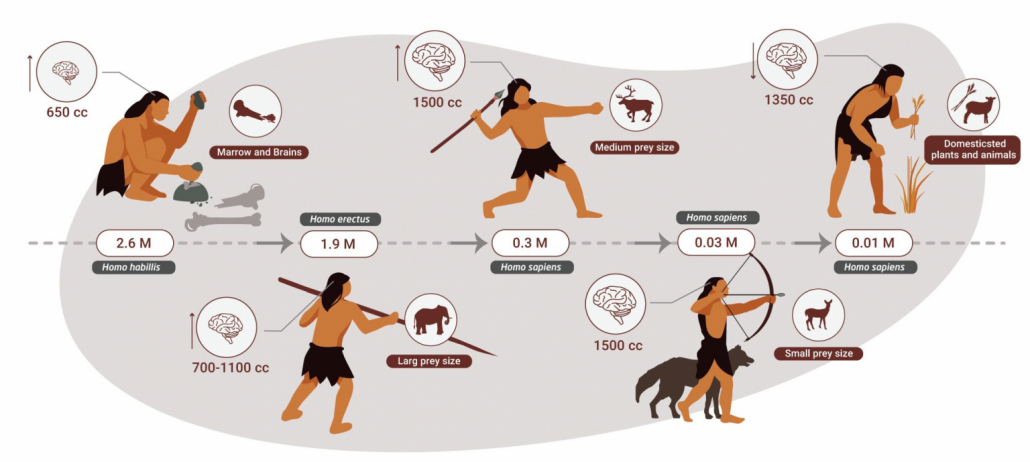
Source: Dr Miki Ben Dor
In the context of human dietary evolution, it was our ability to scavenge fatty bone meats from the kills of other apex predators that provided the fuel our rapid brain development.
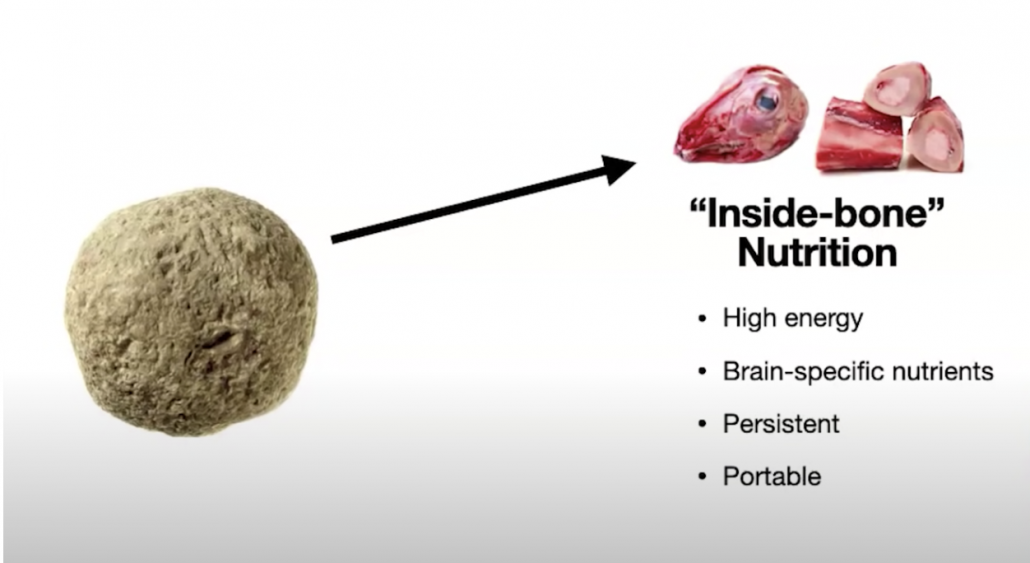
Source: Amber O’Hearn
Our huge, fatty-meat-fueled human brain is what separates us from our primate ancestors.
Developing this ability to tap animal fat as a primary fuel source caused our bodies to undergo major transformations with regards to our digestive tract, the ability to store fat on our bodies and to easily metabolize fat for energy.
Our modern bodies reveal our genetic predisposition for an all fatty meat diet in traits including:
- Our unique propensity to store fat (as energy) on our bodies
- Unlike other predators, humans can easily enter ketosis (mobilizing fat stores into powerful energy molecules) during mundane, calorically replete states, not just starvation states as is the case for other mammals
- Our closest primate relatives have more than ½ of the digestive tract devoted to the colon and cecum, where plant matter is fermented into fatty acids. Humans have a much smaller colon and very small cecum. This means we do not have the ability to ferment fiber into fatty acids in any significant way
- Our stomach acidity is greater than most other carnivores and equal to the acidity of scavengers. [3] This adaptation allowed humans to scavenge and eat large animals over a period of days and weeks, even as pathogens accumulated in the meat
Examples of Traditional All Meat Diets
It was relatively easy for our prehistoric ancestors to consume an all-meat diet before our hunting practices caused the extinction of most megafauna (like elephants twice as large as they are now and 1-ton chinchillas).
But we don’t have to go all the way back to prehistory to find examples of traditional peoples thriving on diets consisting exclusively of animal products.
The Inuit of the Canadian Arctic thrived on seal, walrus, whale, and fish.3 While the Maasai of Eastern Africa consume a diet of meat, milk, and cow blood. [4] Both populations show remarkably good health.
Benefits of an All-Meat Diet
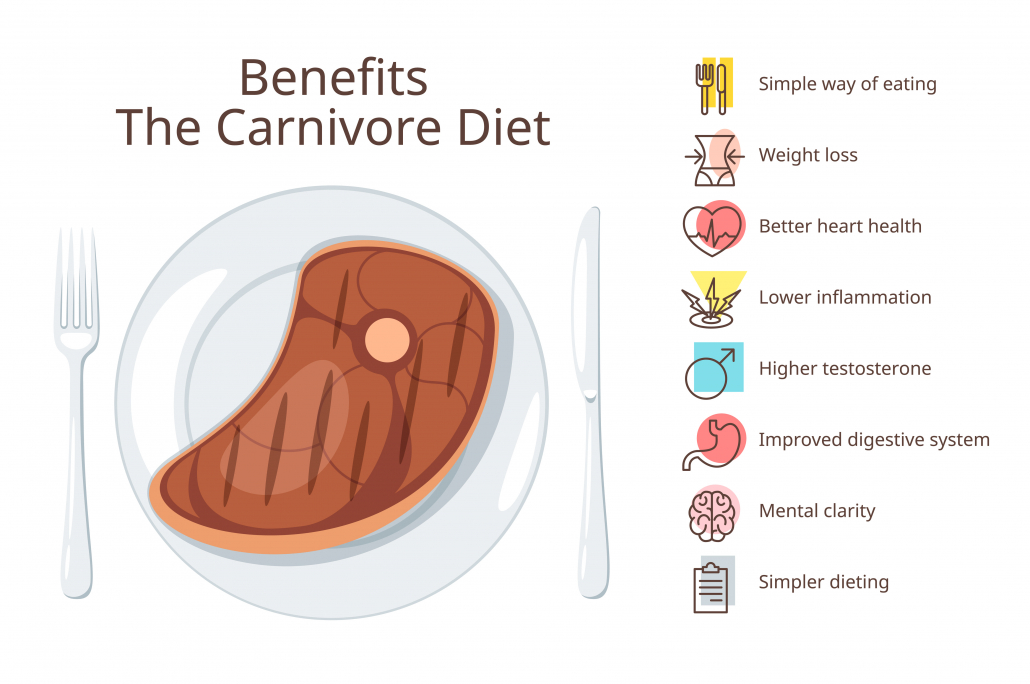
Despite what the mainstream nutrition establishment says, there are numerous researched benefits of eating meat, and they’re amplified on an all-meat diet.
Thousands of all meat dieters describe a wide range of benefits, including:
- Fewer hunger cravings and kicking carb addiction
- Mental clarity and better mood
- Improved markers of heart health
- Improved fertility
- Clearer skin
- Better digestion
- Reducing inflammation and decreasing symptoms of various inflammatory disorders
Until 2021, the benefits of an all-meat diet were mainly anecdotal or observed by doctors outside of the research establishment.
Now, we have the first batch of evidence from Harvard University by researchers Dr. Belinda Lennerz and Dr. David Ludwig. Their 2021 study examined the effects of the all-meat diet on 2,029 people over 6 months. [5]
The researchers concluded, “Contrary to common expectations, adults consuming a carnivore diet experienced few adverse effects and instead reported health benefits and high satisfaction.” The positive health benefits include:
- 93% improved or resolved obesity and excess weight
- 93% improved hypertension
- 98% improved conditions related to diabetes
- 97% improved gastrointestinal symptoms
- 96% improved psychiatric symptoms
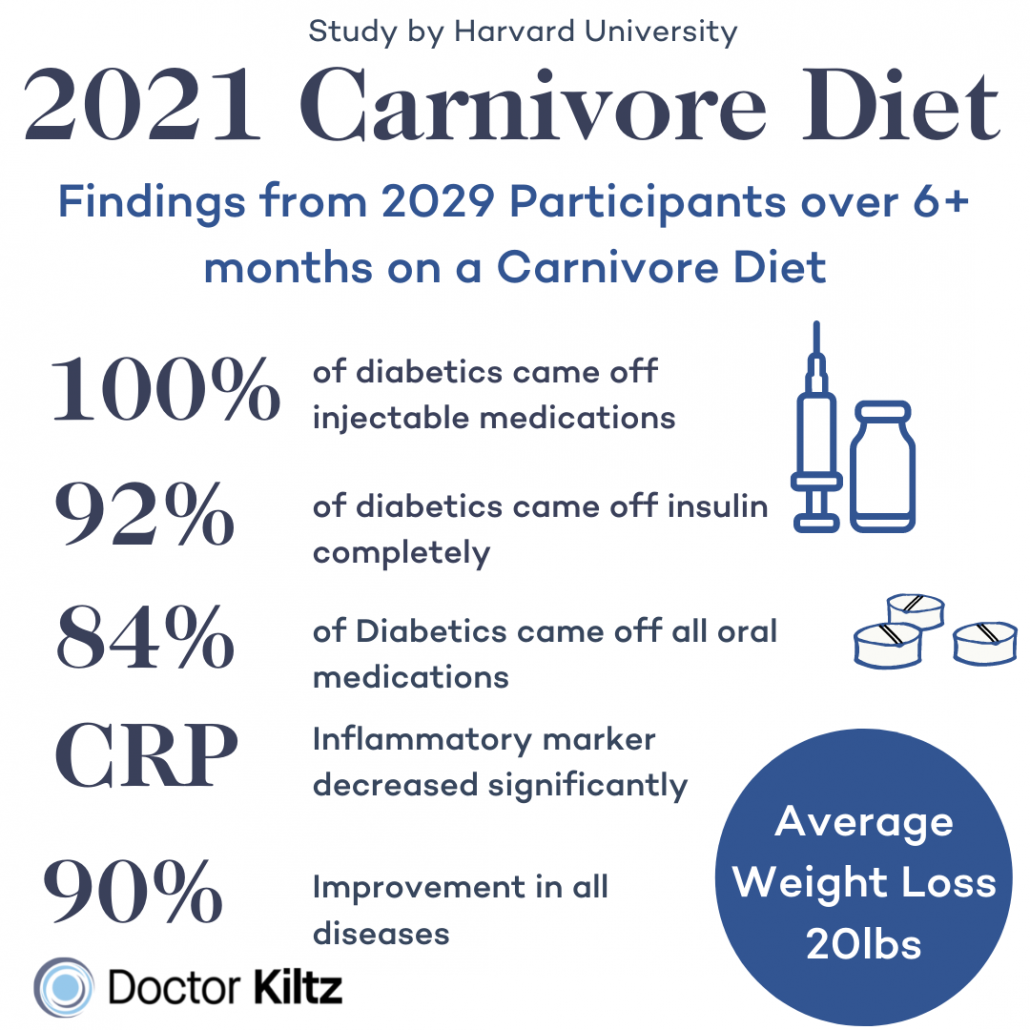
It’s worth noting that the data in this study is self-reported. This means it cannot attribute cause, just correlation, and isn’t 100% reliable. Nevertheless, the findings are significant and push for greater institutional recognition that an all-meat diet can be healthy.
The benefits of an all-meat diet can be attributed to a group of key factors implicit in an all-meat diet, including:
- Dramatically increased nutrient abundance
- Cutting carbs
- Eliminating plant toxins and antinutrients
- Eliminating excess fiber
Let’s take a closer look at each of these factors.

Nutrient Abundance on an All-Meat Diet
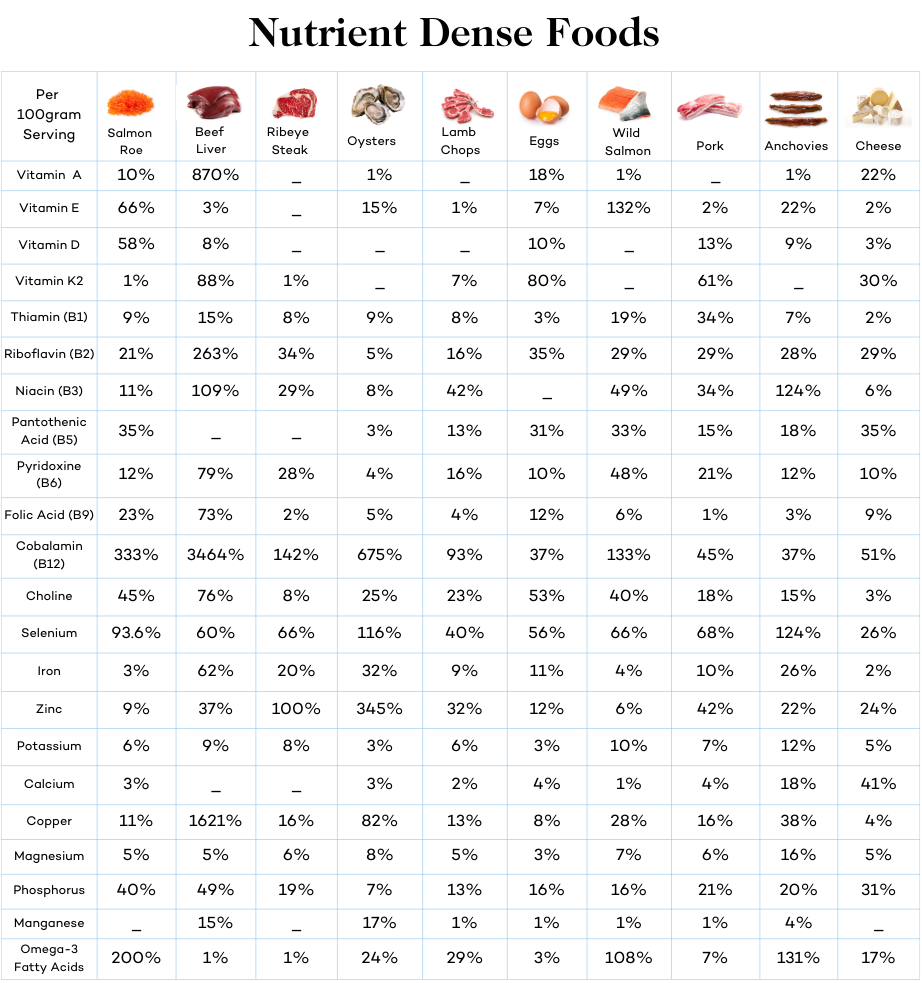
Fatty meats are among the most nutrient-dense foods on earth. In fact, an all-meat diet provides numerous essential and vitalizing nutrients only found in meat, including:
- D3
- B12
- Vitamin A (Retinol)
- Creatine
- Carnitine
- Carnosine
- Heme iron
- K2 (mk-4)
- Docosahexaenoic acid (DHA)
- Eicosapentaenoic Acid (EPA)
- Taurine
Let’s take a closer look at the powerful roles of a few of these meat-specific nutrients.
Vitamin K2 (mk-4)
Though all of the nutrients listed above are important, Vitamin K2 (mk-4) in particular, is worth highlighting, in large part because few people have even heard of it.
K2 (mk-4) is found only in meat and dairy products, and most people consuming a standard American diet are extremely deficient in it.
K2 functions in the body much like a hormone, activating other proteins that prevent calcification of arteries, kidneys, blood vessels, and tissues, while promoting calcium binding to bones and teeth. [6] [7] [8]
Pioneering dentist and dietary researcher Weston A. Price found that the diets of traditional cultures are centered around vitamin K2 foods. These cultures show extremely low incidences of osteoporosis, heart disease, cancer, and tooth decay.
A large-scale study looking at 16,057 women found that participants with the highest K2 intake had far less risk of heart disease. For every 10 mcg of K2 a participant consumed per day, their heart disease risk dropped by 9%. [9]
Conjugated Linoleic Acid (CLA)
Pasture-raised meats provide high levels of a type of fat called conjugated linoleic acid (CLA). [10] Health benefits of CLA include [11] [12] [13] [14] :
- Reduced body fat
- increased lean muscle mass
- Reduces risk of atherosclerosis
- Immune support
- Prevents and treats diabetes
- Promotes bone formation and mineral density
Stearic Acid
- One of the most abundant saturated fatty acids in steak
- Improves body fat ratio
- Supports mitochondrial function
- Promotes weight loss
- Has been shown to slightly lower or have a neutral effect on LDL (bad) cholesterol [15]
- No evidence of raising your risk of heart disease
Vitamin A Retinol
- Regulates more than 500+ genes
- Essential for stem cell differentiation.
- The ‘preformed’ vitamin A retinol found in meat and beef liver is far more bioavailability than beta carotene in plants [16]
B12
- B vitamins in steak are critical to helping your body convert food into energy [17]
- Promotes the formation of red blood cells that carry oxygen to the brain
- Boosts cognition and stabilizes mood
- Found almost exclusively in steak and other animal products
- Up to 86% of vegan children, 90% of vegan elderly, and 62% of pregnant vegan women are B12 deficient
- B12 deficiency can result in dementia and is associated with Alzheimer’s disease
- A powerful antidepressant [18]
Heme Iron [19] [20]
- Only found in meat
- Significantly more bioavailable than non-heme iron from plant foods
- Key to the formation of red blood cells
- Promotes energy metabolism
- Supports a strong immune system
- Supports healthy cognition
- Without sufficient iron you will get anemia
Copper [21]
- Key to getting energy from the food we eat
- Maintains blood vessel integrity
- Component of connective tissue formation
- An important nutrient for immune function, nervous system health, gene activation, brain development, hormone metabolism, and fertility
Zinc
- In males, low zinc levels are associated with erectile dysfunction and lower sperm count [22]
- Zinc from animal sources is 400% more bioavailable than zinc found in grains [23]
- Vegans and vegetarians have low zinc levels in part due to phytic acid in plant foods that block absorption
- Zinc deficiency inhibits motor and cognitive development in children [24]
- Protects against coronary artery disease
- Component of insulin formation, supports glycemic control for diabetics [25]
Carnosine
- A promising anti-aging compound may protect against cognitive decline [26] [27]
- Found exclusively in steak and other meat
- Concentrated in areas of the body with high energy demands, including the heart, brain, and muscles, where it protects these parts from wear and tear
- Prevents glycation–the damaging process of glucose molecules attaching to cells and DNA [28]
- A potent antioxidant that protects against damage and shortening of telomeres [29]
Carnitine
- Powerfully improves male fertility [30]
- Reduces anemia, especially when co-occurring with kidney dysfunction [31]
- Supports mitochondrial function and insulin sensitivity for people with type 2 diabetes [32]
- In heart attack patients, carnitine has been shown to prevent ischemia in cardiac muscle [33]
Creatine
- Supports cognitive function [34]
- Improves athletic performance in both vegetarians and omnivores [35]
- Alzheimer’s patients show lower creatine levels [36]
- Supports heart health
- Can improve glycemic control [37]
Taurine
- Strong antioxidant effects [38]
- Reduces glycation [39]
- Reduces inflammation and oxidative stress
- Acts as an antidepressant, likely accounting for the sense of well-being that many people feel after eating meat [40]
CoQ10
- Supports energy generation in cells by making adenosine triphosphate (ATP) [41]
- Powerful antioxidant effects linked to anti-cancer properties [42]
- Reduces fatigue
- Increases sperm motility [43]
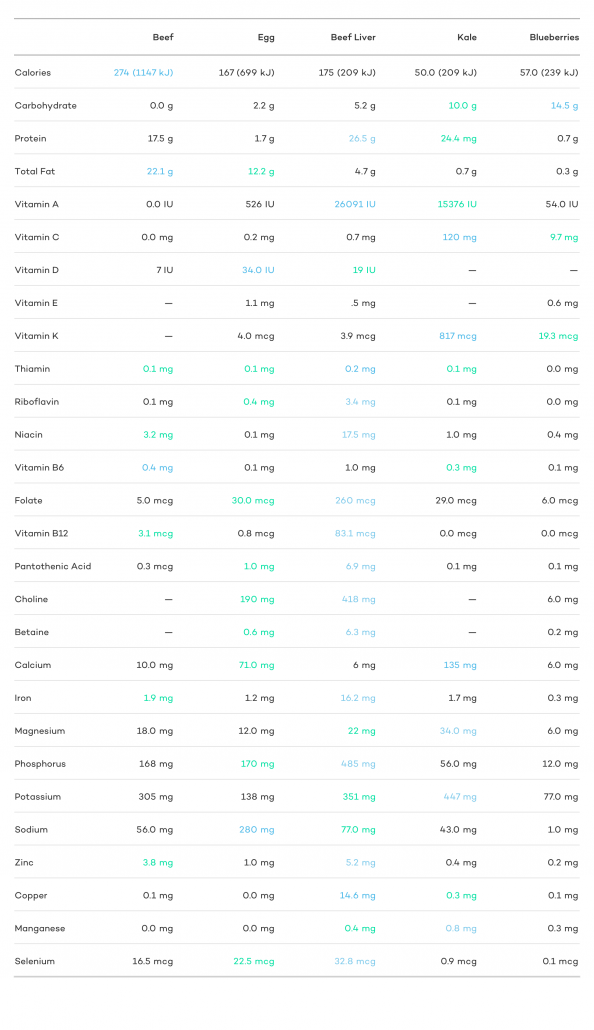
Below you can see a chart comparing the nutrients in animal-derived food with some so-called plant-based superfoods.
Nutrients in Meat that Improve Digestion
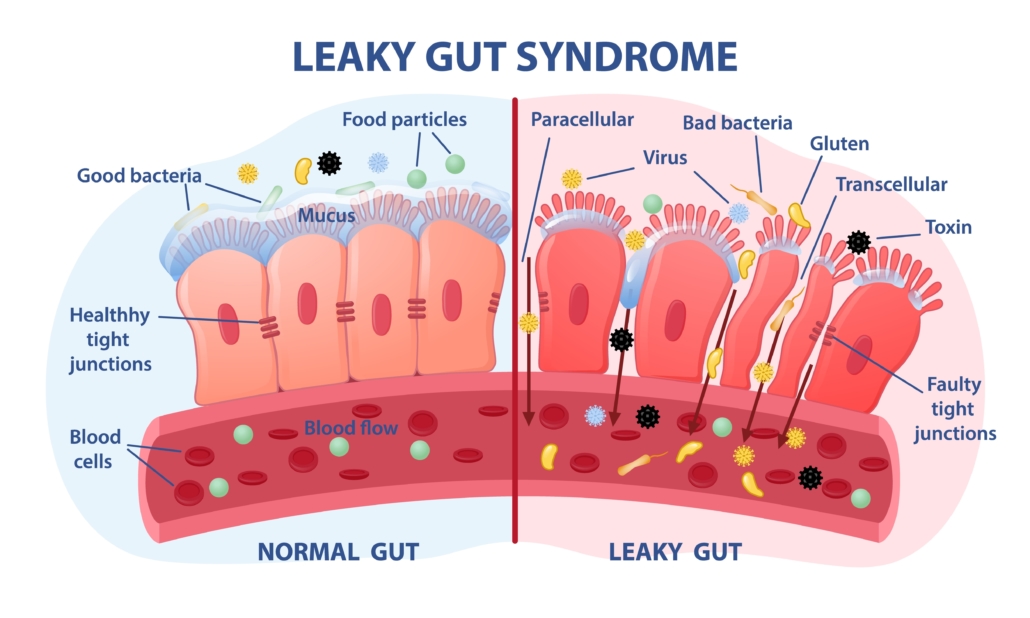
Only a few weeks of being deficient in vitamin A can cause changes within your gut bacteria that impair the intestinal barrier.
Vitamin D deficiency can also compromise the barrier, which may be why it’s associated with inflammatory bowel disease and leaky gut. [44]
Eating an all meat diet high in fat-soluble vitamins from fatty cuts of steak and organ meats can quickly reverse such deficiencies.
Certain amino acids from meat can also play key roles in gut health. High glutamine foods like eggs and beef, regulates tight junctions and prevent permeability to toxins. [45]
All Meat Diets Cut Carbs
Conventional nutritional guidelines tell us to eat three meals a day with snacks in between, all of it loaded with high-carb fruits and vegetables.
The all-meat diet views this guidance, and the high carb intake of the Standard American Diet, as the root cause of the “diseases of civilization,” including [46] :
- heart disease
- hypertension
- type 2 diabetes
- epithelial cell cancers
- inflammatory diseases (including autoimmune diseases, bowel disorders, osteoporosis, infertility, and more)
These are called ‘the diseases of civilization’ because they were virtually non-existent in traditional societies like the Masai and Inuit mentioned above. Each of these diseases has metabolic disorders and chronic inflammation at its root. [47]
It is worth noting that carbohydrates are a non-essential nutrient. This means that we do not need them in our diet.
The 2005 textbook “Dietary Reference Intakes for Energy, Carbohydrate, Fiber, Fat, Fatty Acids, Cholesterol, Protein, and Amino Acids,” by the U.S. Food and Nutrition Board of the Institute of Medicine, states, “The lower limit of dietary carbohydrate compatible with life apparently is zero, provided that adequate amounts of protein and fat are consumed. There are traditional populations that ingested a high fat, high protein diet containing only a minimal amount of carbohydrates for extended periods of time (Masai), and in some cases for a lifetime after infancy (Alaska and Greenland Natives, Inuits, and Pampas indigenous people). There was no apparent effect on health or longevity. Caucasians eating an essentially carbohydrate-free diet, resembling that of Greenland natives, for a year tolerated the diet quite well. However, a detailed modern comparison with populations ingesting the majority of food energy as carbohydrate has never been done.” [48]
Reduces Glycation
One of the ways that carbs can cause widespread damage in the body is through a process called glycation–where sugar molecules bind to proteins, fats, RNA, and DNA, resulting in:
- Reduced immune system function [49]
- Kidney failure [50]
- Eye damage and other complications of diabetes [51]
- Diseases such as PCOS and insulin resistance [52]
- High blood pressure [53]
- Progressive heart disease [54]
- Cancer metastasis and resistance to chemotherapy [55]
Protect the Glycocalyx

Cutting carbs and going all meat protects the glycocalyx–a dense layer of glucose molecules and the proteins and fats to which they attach coating the outer membranes of all the cells in our bodies. [56]
Though unknown to most people, the glycocalyx plays a key role in numerous important bodily functions including [57]
- Regulating circulation to either increase or decrease blood flow
- Protection: Cushions the plasma membrane of cells protecting against chemical injury
- Regulates Inflammation: Glycocalyx coating on endothelial walls in blood vessels prevents leukocytes from binding [58]
- Fertility: Enables sperm to recognize and bind to eggs [59]
- Embryo development: Guides embryonic cells to destinations in the body
- Immunity against infection: Enables the immune system to recognize and attack. foreign organisms.
- Defends against cancer: Changes to the glycocalyx of cancerous cells allow the immune system to recognize and destroy them.
- Transplant compatibility: Forms the basis for compatibility of tissue grafts, organ transplants, and blood transfusions.
- Cell adhesion: Binds cells together, keeping tissues from falling apart.
All Meat Diets Eliminate Plant Toxins and Antinutrients
Plants are touted as the healthiest parts of our diet. But this view completely ignores the fact that historically plants have been a very small (if at all) part of the human diet before the agricultural revolution.
Evolution is a game of survival. Plants have been around for a lot longer than humans. Since they can’t run, hit, claw, or bite their way out of danger, plants have evolved a sophisticated arsenal of plant defense mechanisms that include numerous plant toxins and antinutrients.
Researchers estimate that people eating plant foods consume about 1.5 grams of natural pesticides every day, 10,000 times more natural pesticides than synthetic compounds. [60]
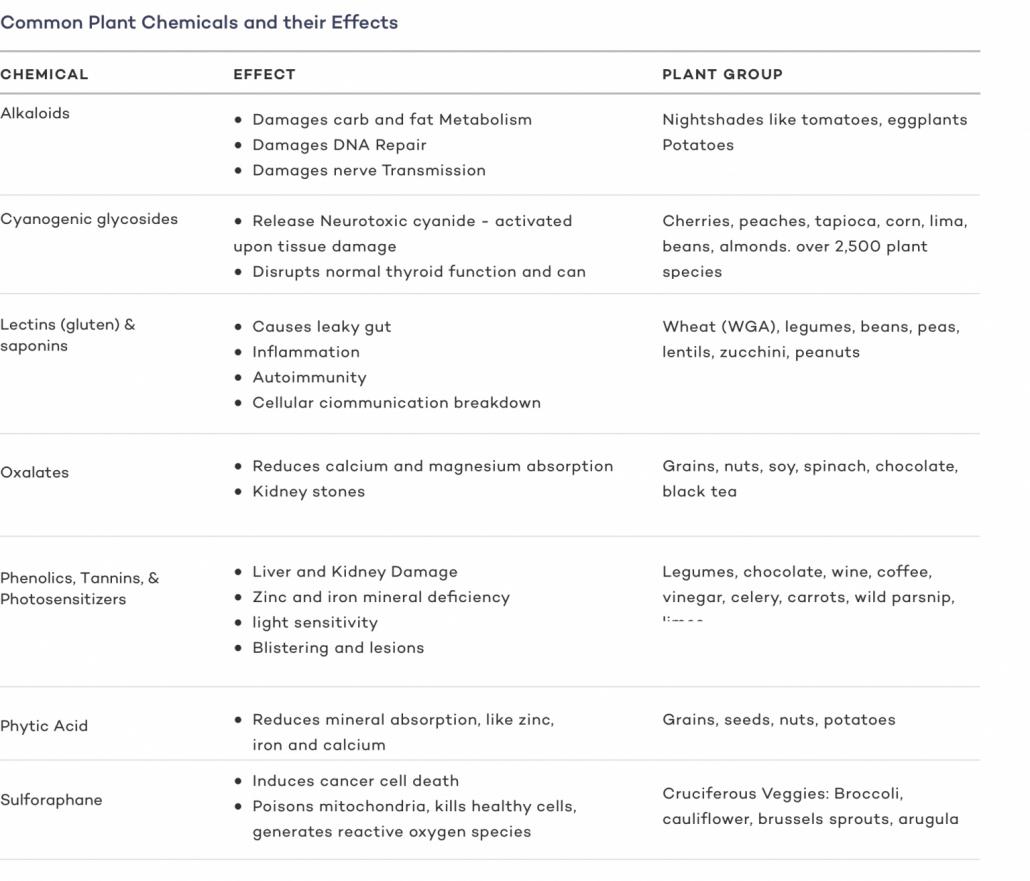
Common plant toxins like lectins and phytates contribute to chronic inflammation by promoting intestinal permeability, AKA leaky gut. [61]
Ruminant animals like cows, bison, and sheep are able to ferment plant foods into fatty acids that become part of their meat while eliminating most plant toxins in the process.
For this reason, Doctor Kiltz likes to say, “We came out of the trees not to eat the grass but to eat the grass eaters.”
Here’s a rundown of common plant toxins and their effects on the body.
All Meat Diets Eliminate Fiber
You’ve probably been told the myth that you need fiber in your diet. But modern research on the actual effects of fiber shows us that fiber is unnecessary and that we’re probably better off without it. [62] [63]
A 2012 study published in the World Journal of Gastroenterology looking at the effect of fiber on constipation concluded “the previous strongly-held belief that the application of dietary fiber to help constipation is but a myth. Our study shows a very strong correlation between improving constipation and its associated symptoms after stopping dietary fiber intake.” [64]
Research has also revealed that excess insoluble fiber can bind to minerals like iron, zinc, magnesium, and calcium and prevent the absorption of these nutrients. Excess insoluble fibers can also inhibit digestive enzymes, impairing protein absorption. In this way, fiber can be an antinutrient.
A 2012 control trial examining the effects of limiting fiber on constipation and IBS revealed that significant reductions in symptoms occurred after only two weeks without fiber. But when participants began eating fiber again, their IBS symptoms returned. [65]
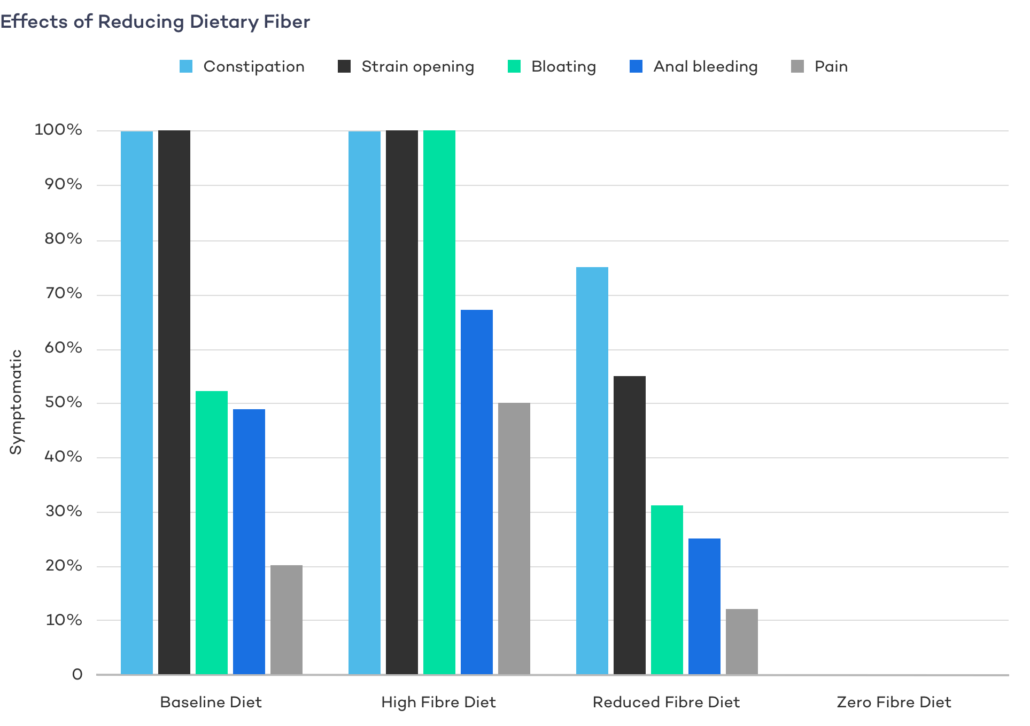
Other studies show that consuming more fat and reducing fiber can increase testosterone and reduce estrogen. In one study consuming more fat and less fiber increased testosterone by 13% and decreased estrogen by 12-28%. [66] Increasing testosterone levels can help your body increase muscle mass [67] [68] .
Modern Research on Eating Meat
Because of mainstream dietary misinformation, bias, and persistent dogmas since the 1960s, most people still ask, is animal fat is good for you? And does red meat causes cancer? And isn’t eating meat bad for the environment?
According to numerous high quality modern studies, there is no real link between consuming meat and negative health outcomes. And regenerative farming practices can actually sequester carbon and improve soil health–whereas large-scale plant agriculture decimates the ability of soil to produce food.
Rather, fresh meats like ribeye steak are among the healthiest foods to eat.
Here’s a review of what the recent science says about eating meat–you may be surprised:
- There is NO significant association between consuming saturated fat with heart disease, stroke, diabetes, death from heart attacks, and cancer [69] [70] [71] [72] [73] [74]
- Saturated fat is healthy when consumed as part of whole foods, including fresh meat [75] [76] [77] [78] [79] [80] Fresh meat provides numerous highly bioavailable nutrients, is highly satiating, and is associated with numerous markers of health, fertility, and longevity [81] [82]
- Total meat consumption is correlated with greater life expectancy. And this is independent of total caloric intake, economic status, urban advantages, and obesity [83]
- Following mainstream recommendations to substituting fatty meat with lean protein may actually increase the risk of heart disease [84]
- low-carb, high-fat, high meat diets show significantly better health outcomes when compared to vegetarian diets with regards to cardiovascular health, weight loss, and blood sugar regulation [85] [86]
- Eating meat can be good for the environment when raised with “regenerative agricultural practices” that sequester carbon and improve soil health. [87]
Types of All-Meat Diets
There are various approaches to an all-meat diet, ranging from the extremely minimal to the exotically inclusive.
Nose-To-Tail All Meat Diet
Nose-to-tail–whole animal eating–prizes animal fats and nutrient-packed organ meats over above all.
This is the approach to an all-meat diet most closely aligned with the diet our ancestors evolved on.
Standard All-Meat Carnivore Diet
The standard carnivore diet is centered around ruminant animals like beef, bison, and lamb. It allows for all types of keto meats, including pork, eggs, seafood, poultry, and full-fat dairy like keto cheese and heavy cream.
Most people dining a standard all-meat diet begin experimenting with some accessible organ meats like beef liver.
Lion Diet
As the most restrictive version of the carnivore diet, the lion diet entails only the meat of ruminant animals. It’s also called the “water, meat, salt” approach.
Most people practice the lion diet as an elimination approach and eventually add in other animal foods like oysters, organ meats, and dairy fat.
How to Do an All-Meat Diet
Here are a few pointers that will help you make a smooth and sustainable transition to an all-meat diet
Eat Lots of Fat
The key to a successful all-meat diet is eating enough fat. Consider that there is a cap of 35-50% of calories your body can get from protein alone. Without carbs you need to get the remainder of your calories from fat. [88]
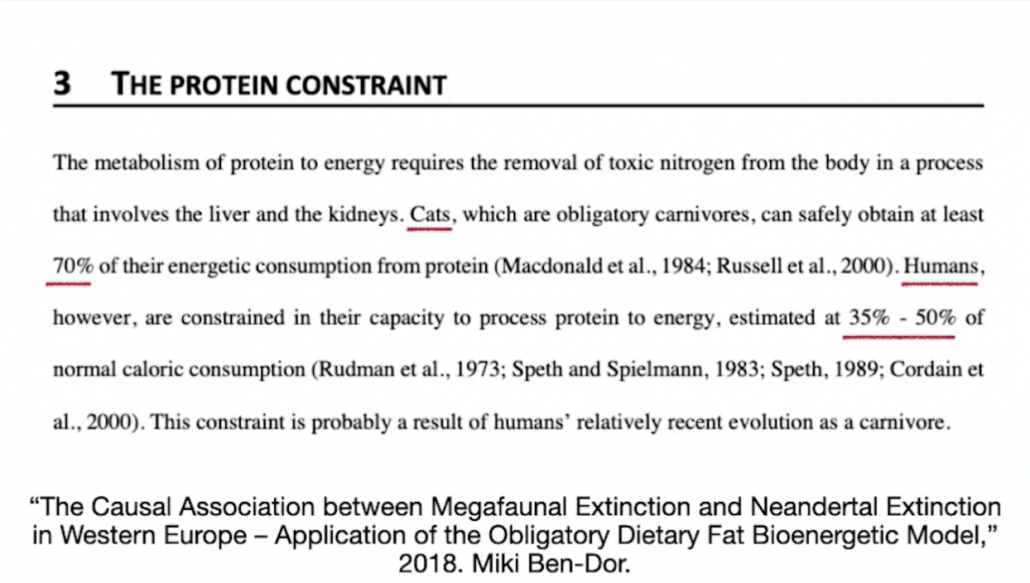
On the all meat diet it is best practice to consume 70-80% of your calories in the form of animal fats. This aligns with standard keto marco percentages.
If you don’t eat enough fat on an all meat diet you will get protein poisoning, where you can essentially starve yourself to death.
What to Eat on an All Meat Diet
Focus on the most nutrient-dense foods on earth! Starting with fatty cuts of steak as the basis and supplementing with seafood, eggs, organ meats, and full fat dairy.
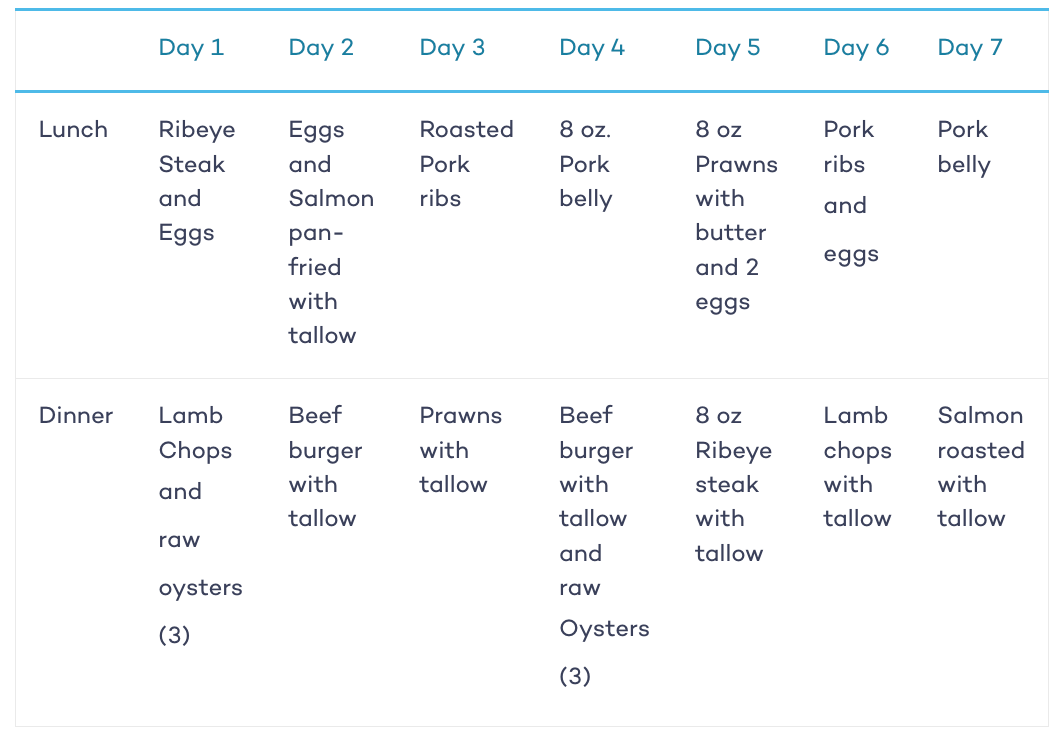
Sample 7-Day Meal Plan
Here’s a sample standard all meat diet 7 day meal plan
What About Vitamin C on an All Meat Diet?
One of the most common concerns about an all-meat diet is that you won’t get vitamin C. The false idea that meat doesn’t provide vitamin C has been around since the researchers first encountered carnivore diets among traditional peoples.
Dr. Weston A. Price asked a Native American whose tribe subsisted on a diet of seafood, moose, and deer: “Why don’t you get scurvy?”
He responded, “That’s a white man’s disease.”
And he was right. Scurvy (the disease of vitamin C deficiency) was witnessed mainly among sailors eating a diet of dried meats and high carbs from vitamin depleting grains.
It turns out that fresh meats does provide more than enough vitamin C to prevent scurvy.
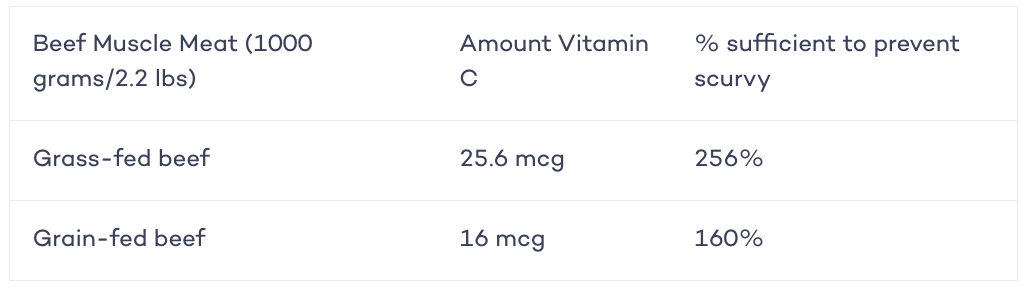
Recent research published in Meat Science Journal confirms that fresh beef has approximately 1.6 mcg/g of vitamin C in grain-fed meat, and 2.56 mcg/g in grass-fed meat. [89]
On a carnivore diet, if you’re eating 1000 grams of meat, or 2.2 lbs per day, you will be consuming 25.6 mcg and 16 mcg of vitamin C, respectively. This is more than enough to prevent scurvy.
The All Meat Diet: Dr. Kiltz's Bottom Line
Though all meat diets are new to the general public, they’re as old as humanity. In fact, eating a carnivorous diet of mostly fatty meats is what fueled our giant brains, shrunk our guts, and ultimately separated us from our primate ancestors
An all-meat diet re-aligns our genome, forged over millions of years, with the foods we evolved to thrive on.
Article Sources
- 1. The evolution of the human trophic level during the Pleistocene
- 2. Origins of the Human Predatory Pattern: The Transition to Large-Animal Exploitation by Early Hominins
- 3. Beasley DE, Koltz AM, Lambert JE, Fierer N, Dunn RR. The Evolution of Stomach Acidity and Its Relevance to the Human Microbiome. PLoS One. 2015 Jul 29;10(7):e0134116. doi: 10.1371/journal.pone.0134116. PMID: 26222383; PMCID: PMC4519257.
- 4. Milk, meat and blood: how diet drives natural selection in the Maasai
- 5. Osteocalcin: the vitamin K-dependent Ca2+-binding protein of bone matrix
- 6, 7. The role of vitamin K in soft-tissue calcification
- 8. A high menaquinone intake reduces the incidence of coronary heart disease
- 9. Conjugated linoleic acid content of ribeye steaks from beef finished on pasture
- 10. A review on effects of conjugated linoleic fatty acid (CLA) upon body composition and energetic metabolism
- 11. Atheroprotective effects of conjugated linoleic acid
- 12. Fat That May Benefit Diabetics Reduces Weight, Blood Sugar
- 13. t10c12-CLA maintains higher bone mineral density during aging by modulating osteoclastogenesis and bone marrow adiposity
- 14. Cardiovascular disease risk of dietary stearic acid compared with trans, other saturated, and unsaturated fatty acids: a systematic review
- 15. Absorption of Vitamin A and Carotenoids by the Enterocyte: Focus on Transport Proteins
- 16. Vitamin B12 Fact Sheet for Health Professionals
- 17. Vitamin B12 Supplementation: Preventing Onset and Improving Prognosis of Depression
- 18. Iron Status of Vegetarian Adults: A Review of Literature
- 19. Total iron and heme iron content and their distribution in beef meat and viscera
- 20. Copper Fact Sheet for Health Professionals
- 21. Zinc is an Essential Element for Male Fertility: A Review of Zn Roles in Men’s Health, Germination, Sperm Quality, and Fertilization
- 22. Bioavailability of iron, zinc, and other trace minerals from vegetarian diets
- 23. Zinc deficiency and child development1,2,3
- 24. Role of Zinc Homeostasis in the Pathogenesis of Diabetes and Obesity
- 25. Effects of dietary supplementation of carnosine on mitochondrial dysfunction, amyloid pathology, and cognitive deficits in 3xTg-AD mice
- 26. Antioxidative and anti-inflammatory protection from carnosine in the striatum of MPTP-treated mice
- 27. Carnosine and its constituents inhibit glycation of low-density lipoproteins that promotes foam cell formation in vitro
- 28. Antioxidant activity of carnosine, homocarnosine, and anserine present in muscle and brain
- 29. l-carnitine and l-acetylcarnitine supplementation for idiopathic male infertility
- 30. Change in Anemia by Carnitine Supplementation in Patients Undergoing Peritoneal Dialysis: A Retrospective Observational Study
- 31. Carnitine in type 2 diabetes
- 32. Therapeutic effects of L-carnitine and propionyl-L-carnitine on cardiovascular diseases: a review
- 33. https://pubmed.ncbi.nlm.nih.gov/10609446/
- 34. Creatine: a review of efficacy and safety
- 35. A review of creatine supplementation in age-related diseases: more than a supplement for athletes
- 36. Does creatine supplementation improve glycemic control and insulin resistance in healthy and diabetic patients? A systematic review and meta-analysis
- 37. Protective role of taurine against oxidative stress
- 38. Effects and Mechanisms of Taurine as a Therapeutic Agent
- 39. Antidepressant-like effect of chronic taurine administration and its hippocampal signal transduction in rats
- 40. Coenzyme Q10: The essential nutrient
- 41. Role of Coenzyme Q10 in Health and Disease: An Update on the Last 10 Years (2010–2020)
- 42. The impact of two doses of coenzyme Q10 on semen parameters and antioxidant status in men with idiopathic oligoasthenoteratozoospermia
- 43. Intestinal permeability – a new target for disease prevention and therapy
- 44. Role of Glutamine in Protection of Intestinal Epithelial Tight Junctions
- 45. The western diet and lifestyle and diseases of civilization
- 46. Chronic Inflammation
- 47. DIETARY REFERENCE INTAKES FOR Energy, Carbohydrate, Fiber, Fat, Fatty Acids, Cholesterol, Protein, and Amino Acids
- 48. Immunogenicity of advanced glycation end products in diabetic patients and in nephropathic non-diabetic patients on hemodialysis or after renal transplantation
- 49. Advanced glycation end-products and the kidney
- 50. Too sweet: Problems of protein glycation in the eye
- 51. Advanced Glycation End Products: Link between Diet and Ovulatory Dysfunction in PCOS?
- 52. Role of advanced glycation end products in hypertension and atherosclerosis: therapeutic implications
- 53. Relationship of Advanced Glycation End Products With Cardiovascular Disease in Menopausal Women
- 54. Cancer Malignancy Is Enhanced by Glyceraldehyde-Derived Advanced Glycation End-Products
- 55. The Emerging Role of the Mammalian Glycocalyx in Functional Membrane Organization and Immune System Regulation
- 56. The endothelial glycocalyx: Structure and function in health and critical illness
- 57. Modulation of Endothelial Glycocalyx Structure under Inflammatory Conditions
- 58. The glycocalyx of the sperm surface
- 59. Dietary pesticides (99.99% all natural)*
- 60. Antinutritional properties of plant lectins
- 61. The hot air and cold facts of dietary fibre
- 62. The polyp prevention trial continued follow-up study: no effect of a low-fat, high-fiber, high-fruit, and -vegetable diet on adenoma recurrence eight years after randomization
- 63, 64. Stopping or reducing dietary fiber intake reduces constipation and its associated symptoms
- 65. Effects of dietary fat and fiber on plasma and urine androgens and estrogens in men: a controlled feeding study
- 66. Effect of testosterone on muscle mass and muscle protein synthesis
- 67. Testosterone and weight loss: the evidence
- 68, 74. Reduction in saturated fat intake for cardiovascular disease
- 69, 75. Intake of saturated and trans unsaturated fatty acids and risk of all cause mortality, cardiovascular disease, and type 2 diabetes: systematic review and meta-analysis of observational studies
- 70, 76. Meta-analysis of prospective cohort studies evaluating the association of saturated fat with cardiovascular disease
- 71, 77. Association of dietary, circulating, and supplement fatty acids with coronary risk: a systematic review and meta-analysis
- 72, 78. Effect of the amount and type of dietary fat on cardiometabolic risk factors and risk of developing type 2 diabetes, cardiovascular diseases, and cancer: a systematic review
- 73. Red and Processed Meat Consumption and Risk of Incident Coronary Heart Disease, Stroke, and Diabetes Mellitus
- 79. Dietary stearic acid regulates mitochondria in vivo in humans
- 80. The role of red meat in the diet: nutrition and health benefits
- 81. Total Meat Intake is Associated with Life Expectancy: A Cross-Sectional Data Analysis of 175 Contemporary Populations
- 82. Dietary Saturated Fatty Acids and Coronary Heart Disease Risk in a Dutch Middle-Aged and Elderly Population
- 83. Stopping or reducing dietary fiber intake reduces constipation and its associated symptoms Ho KS, Tan CYM, Mohd Daud MA, Seow-Choen F. Stopping or reducing dietary fiber intake reduces constipation and its associated symptoms. World J Gastroenterol 2012;
- 84. Fiber and colorectal diseases: Separating fact from fiction
- 85. Could Beef Be Good For People and The Planet? Regenerative, Grass-Fed Beef May Offer A Solution To Our Health, Climate Crisis
- 86. The causal association between megafaunal extinction and Neandertal extinction in Western Europe – Application of the Obligatory Dietary Fat Bioenergetic Model
- 87. Antioxidant status and odour profile in fresh beef from pasture or grain-fed cattle
Follow Dr. Kiltz on Social Media for Daily Information and Inspiration
Subscribe to follow our Blog
Type your email*
Submit
Follow us on Social Media


