
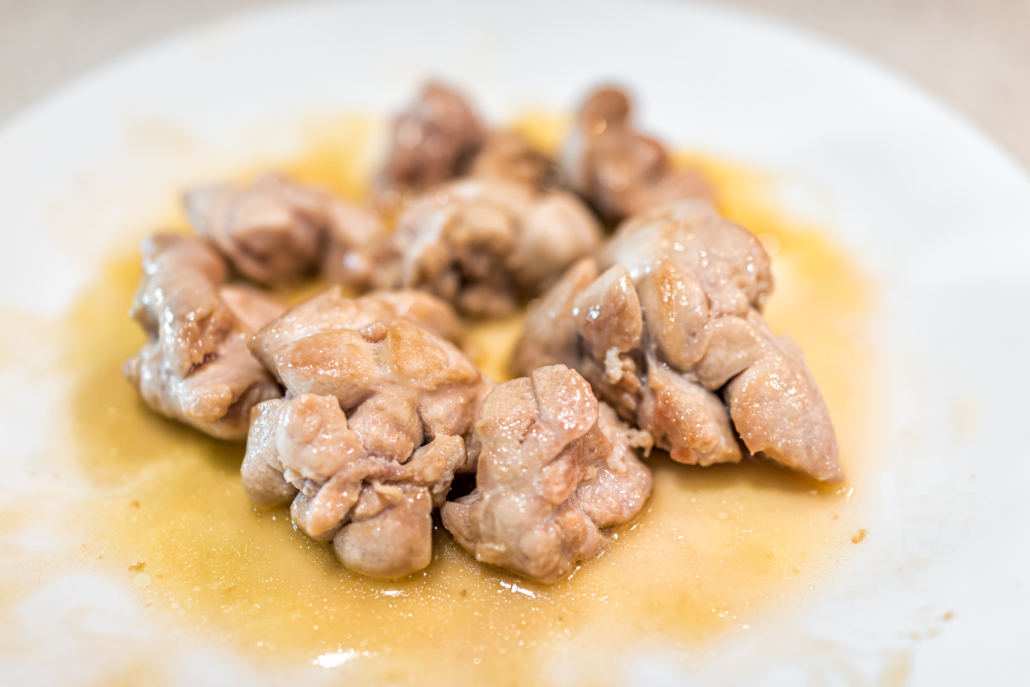
In the world of culinary delights, there is a realm that most of us don’t explore nearly enough– the organ meats. Though unconventional for most, these underrated cuts offer a treasure trove of unique flavors, delectable textures, and unrivaled nutritional benefits. One such organ meat that deserves the spotlight is beef thymus.
Join us as we explore the rich flavors, textures, and nutritional benefits that the beef thymus brings to the table. It’s time to set aside preconceived notions and embrace the gastronomic delights of this remarkably assessable yet underappreciated organ meat.
What is Beef Thymus?
The beef thymus is an organ meat that comes from the thymus gland of a young cow.
The thymus gland plays a crucial role in the immune system by producing T lymphocytes, a type of white blood cell that defends the body against infections and diseases.
Culinary Considerations
Even if you’ve never heard of eating thymus, you may have heard of sweetbreads, which is the common culinary term for thymus. Sweetbreads also refer to beef pancreas, so it’s a bit confusing. We’ll explain.
There are two types of sweetbreads: One type is called the “throat sweetbread,” and the other is “heart” or “belly sweetbread.”
Thymus is usually classified as a “throat sweetbread.” This distinction is a bit misleading since the thymus is located in the chest area. In any case, it is distinguished from the heart or belly sweetbread, which refers to the pancreas.
Both the thymus and pancreas are among the most approachable and versatile organ meats. From sautéing and grilling to frying, chefs appreciate the tender and creamy nature of beef thymus in gourmet preparations.

What Does Beef Thymus Taste Like?
Beef thymus is appreciated for its tender texture and mild, delicate flavor. You may even find it slightly sweet.
Unlike most other organ meats, thymus and other sweetbreads offer a mild flavor that allows them to take on the taste and texture of various seasonings and cooking methods.
When cooked skillfully, thymus is tender and creamy, making it unique among meats. Chefs and connoisseurs consider the ultimate thymus experience to occur when the exterior is crispy and the interior remains soft, with the consistency of custard.
Beef Thymus Nutrition
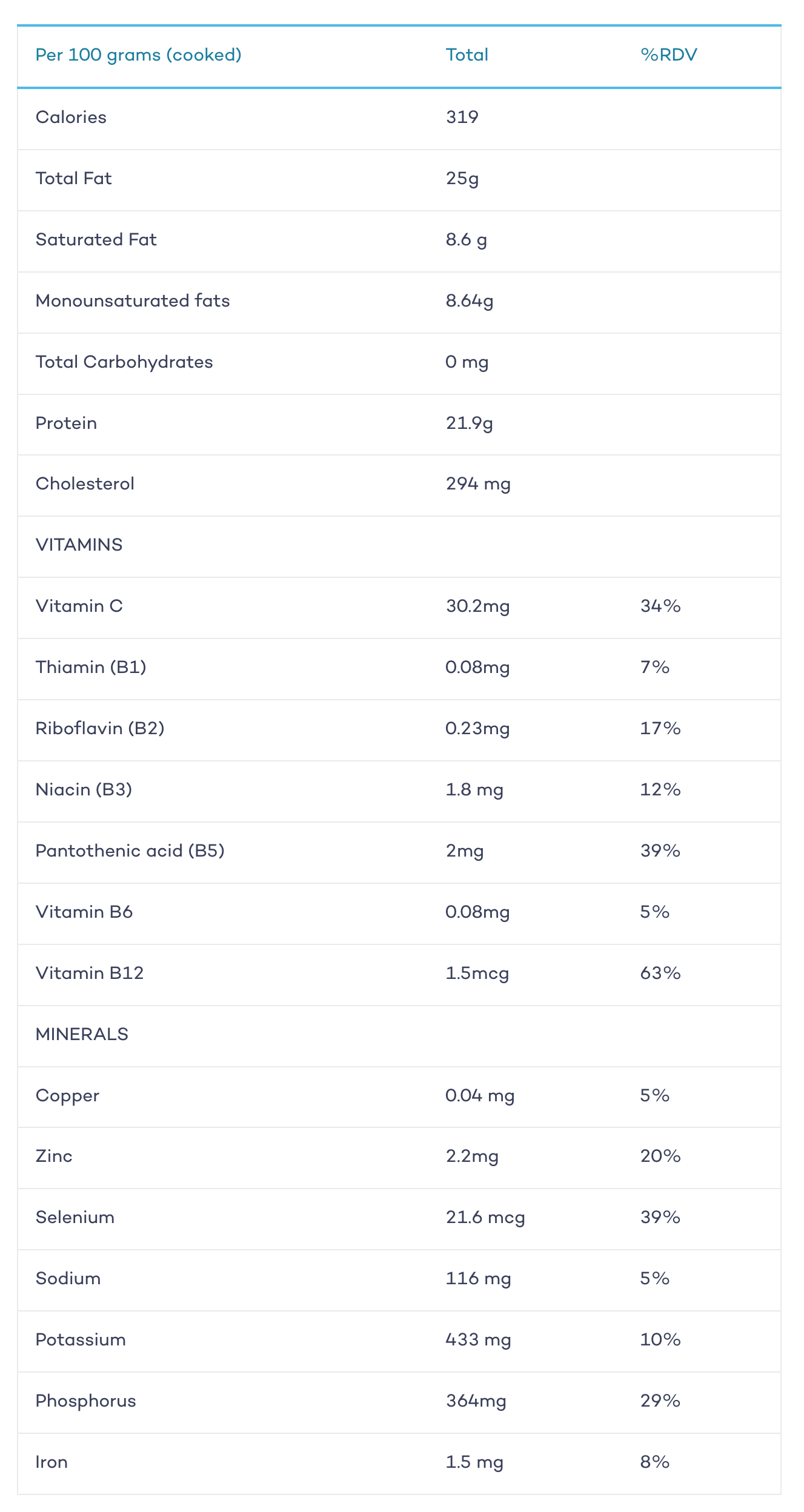

Nutritional Benefits of Beef Thymus
Let’s take a deeper look at how the nutrients in beef thymus can positively impact your health goals.
Vitamin C in Beef Thymus
When looking at the beef thymus nutrition list above, you may have noticed that thymus is remarkably high in vitamin C for a meat.
The vitamin C content of beef thymus makes it prized among carnivore diet enthusiasts who eliminate all plant sources of vitamin C.
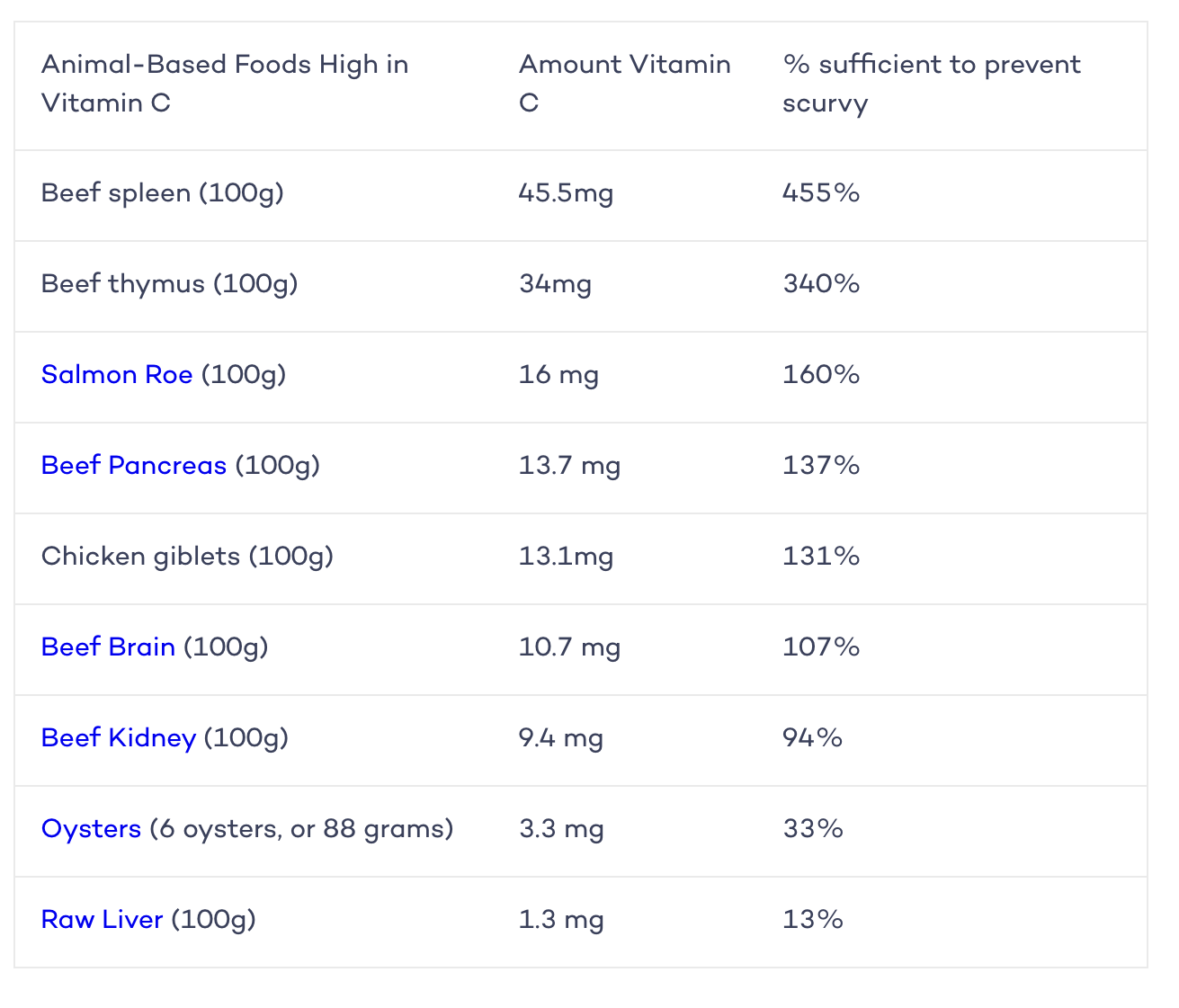
It’s worth noting that on a low-carb, high-fat carnivore diet, the body needs far fewer antioxidants, partly due to the increase in endogenous antioxidants and the reduced need to combat the oxidation caused by carbs and sugar. What this has to do with thymus is that 34% of your RDV of vitamin C is more than enough on carnivore, and is 340% of the vitamin C you need to avoid symptoms of vitamin C deficiency known as scurvy.
Below, you can see how beef thymus stacks up against the vitamin C in other animal products.
Thymosin
You won’t find thymosin on a nutrition label because it’s not a common nutrient. In fact, it’s a hormone produced by the thymus of young cows.
Thymosin helps turn white blood cells (lymphocytes) into the critical element of the immune system called T cells. T cells are sent to the lymph nodes, where they are deployed during immune responses.
Researchers have been exploring the use of thymus extract to boost immune function and fight off respiratory infections. [1]
Vitamin B5
B5 is hard to come by, and 100 grams of thymus delivers 39% of your daily needs.
B5, also called pantothenic acid, plays a crucial role in the creation of cholesterol. Despite what you’ve been told, cholesterol is an extremely important substance in your body.. Your body uses the cholesterol it creates as the foundation for youth-associated hormones like pregnenolone and DHEA. [2]
Studies have also shown that B5 can help wounds heal faster. [3]
If you don’t get enough B5, you run the risk of chronic fatigue, sleep issues, mood disorders, neuropathy, and respiratory tract infections. [4]
Monounsaturated Fatty Acids
About ⅓ of the fat in the beef thymus is composed of monounsaturated fatty acids. These healthy fats have been found to [5] [6] [7] [8] [9] [10]
- Reduce inflammation
- reduce bad cholesterol
- increase good cholesterol
- Potentially reduce the risk of heart disease
Beneficial Amino Acids
Beef thymus is a fantastic source of highly beneficial amino acids, including lysine, tyrosine, and tryptophan.
100 grams of beef thymus provides 1818mg (87% RDV) of lysine. This amino acid has been found to help the body absorb calcium. It’s also critical to collagen formation. Collagen is important for the health of bones, connective tissue, tendons, cartilage, and skin. [11] Not surprisingly, Lysine has also been found to increase the speed of wound healing. [12]
Thymus is also high in the amino acid Tyrosine, providing 454mg or 52% of your RDV. Tyrosine has been found to offer numerous benefits, including
- Stimulating the production of important neurotransmitters like dopamine and norepinephrine [13] [14]
- Supporting mental focus by increasing attention, focus, and working memory. [15] [16] [17] [18]
- Reducing feelings of stress and anxiety [19] [20]
- Supporting mood, motivation, and feelings of overall well-being. [21] [22] [23]
Sourcing High-Quality Beef Thymus
Beef thymus is usually sourced from young cows or veal.
It’s important to source organ meats from cows raised on grass in pristine environments. Otherwise, there’s a risk of contamination with heavy metals.
The first place to look for quality beef thymus is your local rancher or farmer’s market. After that, there are a few quality online purveyors that we’ll list below.
There are also desiccated options like Herbage Farmstead.
How to Prepare Beef Thymus: Simple Recipes

Ingredients:
- Thymus
- 5 tbsp suet or ghee
- ¼ cup coconut flour (substitute crushed pork rinds for Carnivore Diet friendly recipe)
- 1 tbsp of lemon juice or red wine vinegar
- Sea salt/Himalayan salt
Instructions:
- Bring a large pot of water to a boil
- Lower heat. Mix in lemon juice and salt
- Add thymus to the boiling water. Cook for 10 minutes
- Remove thymus from water. Run under cold water until cool
- Dry the thymus with a clean cloth and transfer to a new plate
- Place another heavy pan on the thymus and press down to flatten
- Cut flattened thymus into small slices about half an inch wide
- Place slices into a bowl of coconut flour or crushed pork rinds
- Heat suet or ghee in a large skillet
- Add thymus to pan and fry until golden brown (less than 5 minutes)
- Flip over and fry until they’re golden brown on the other side, too (less than 3 minutes)
- Transfer to a plate and enjoy
Grilled Thymus “Mollejas” Recipe
Beef Thymus: The Bottom Line
Beef thymus is a nutrient-dense organ derived from the thymus gland of a young cow. However, most people have only heard of thymus by its culinary name, “sweetbreads.”
In fact, thymus is one of a number of organ meats that are billed as sweetbreads. Of the various sweetbreads, thymus is the most tender and mild.
The thymus has been a prized part of traditional diets for millennia. It’s rich in B vitamins, healthy fats, and a thymus-specific enzyme called thymosin that may support healthy immune function.
Article Sources
- 1. Animal by-products (ABPs): origins, uses, and European regulations
- 2. Hu, J., Zhang, Z., Shen, WJ. et al. Cellular cholesterol delivery, intracellular processing and utilization for biosynthesis of steroid hormones. Nutr Metab (Lond) 7, 47 (2010). https://doi.org/10.1186/1743-7075-7-47
- 3. Aprahamian M, Dentinger A, Stock-Damgé C, Kouassi JC, Grenier JF. Effects of supplemental pantothenic acid on wound healing: experimental study in rabbit. Am J Clin Nutr. 1985 Mar;41(3):578-89. doi: 10.1093/ajcn/41.3.578. PMID: 3976557.
- 4. Sanvictores T, Chauhan S. Vitamin B5 (Pantothenic Acid) Updated 2023 Jun 19. In: StatPearls. Treasure Island (FL): StatPearls Publishing; 2024 Jan-. Available from: https://www.ncbi.nlm.nih.gov/books/NBK563233/
- 5. Sacks FM, Lichtenstein AH, Wu JHY, Appel LJ, Creager MA, Kris-Etherton PM, Miller M, Rimm EB, Rudel LL, Robinson JG, Stone NJ, Van Horn LV; American Heart Association. Dietary Fats and Cardiovascular Disease: A Presidential Advisory From the American Heart
- 6. Wang DD, Li Y, Chiuve SE, Stampfer MJ, Manson JE, Rimm EB, Willett WC, Hu FB. Association of Specific Dietary Fats With Total and Cause-Specific Mortality. JAMA Intern Med. 2016 Aug 1;176(8):1134-45. doi: 10.1001/jamainternmed.2016.2417. PMID: 27379574; PM
- 7, 8. Mata P, Garrido JA, Ordovas JM, Blazquez E, Alvarez-Sala LA, Rubio MJ, Alonso R, de Oya M. Effect of dietary monounsaturated fatty acids on plasma lipoproteins and apolipoproteins in women. Am J Clin Nutr. 1992 Jul;56(1):77-83. doi: 10.1093/ajcn/56.1.77. P
- 9. Pelkman CL, Fishell VK, Maddox DH, Pearson TA, Mauger DT, Kris-Etherton PM. Effects of moderate-fat (from monounsaturated fat) and low-fat weight-loss diets on the serum lipid profile in overweight and obese men and women. Am J Clin Nutr. 2004 Feb;79(2):20
- 10. Williams CM, Francis-Knapper JA, Webb D, Brookes CA, Zampelas A, Tredger JA, Wright J, Meijer G, Calder PC, Yaqoob P, Roche H, Gibney MJ. Cholesterol reduction using manufactured foods high in monounsaturated fatty acids: a randomized crossover study. Br J
- 11. Dwight E Matthews, Review of Lysine Metabolism with a Focus on Humans, The Journal of Nutrition, Volume 150, Supplement 1, 2020, Pages 2548S-2555S, ISSN 0022-3166, https://doi.org/10.1093/jn/nxaa224.
- 12. Datta D, Bhinge A, Chandran V. Lysine: Is it worth more? Cytotechnology. 2001 Jul;36(1-3):3-32. doi: 10.1023/A:1014097121364. PMID: 19003311; PMCID: PMC3449675.
- 13. A.-K. Brecht, E. Medawar, R. Thieleking, J. Sacher, F. Beyer, A. Villringer, A.V. Witte, Dietary and serum tyrosine, white matter microstructure and inter-individual variability in executive functions in overweight adults: Relation to sex/gender and age, A
- 14. Daubner SC, Le T, Wang S. Tyrosine hydroxylase and regulation of dopamine synthesis. Arch Biochem Biophys. 2011 Apr 1;508(1):1-12. doi: 10.1016/j.abb.2010.12.017. Epub 2010 Dec 19. PMID: 21176768; PMCID: PMC3065393.
- 15. Bloemendaal M, Froböse MI, Wegman J, Zandbelt BB, van de Rest O, Cools R, Aarts E. Neuro-Cognitive Effects of Acute Tyrosine Administration on Reactive and Proactive Response Inhibition in Healthy Older Adults. eNeuro. 2018 Apr 30;5(2):ENEURO.0035-17.2018.
- 16. Jongkees BJ, Hommel B, Kühn S, Colzato LS. Effect of tyrosine supplementation on clinical and healthy populations under stress or cognitive demands--A review. J Psychiatr Res. 2015 Nov;70:50-7. doi: 10.1016/j.jpsychires.2015.08.014. Epub 2015 Aug 25. PMID:
- 17. Kühn, S., Düzel, S., Colzato, L. et al. Food for thought: association between dietary tyrosine and cognitive performance in younger and older adults. Psychological Research 83, 1097–1106 (2019). https://doi.org/10.1007/s00426-017-0957-4
- 18. Jongkees BJ, Hommel B, Colzato LS. People are different: tyrosine's modulating effect on cognitive control in healthy humans may depend on individual differences related to dopamine function. Front Psychol. 2014 Oct 6;5:1101. doi: 10.3389/fpsyg.2014.01101.
- 19. Selasi Attipoe, Stacey A. Zeno, Courtney Lee, Cindy Crawford, Raheleh Khorsan, Avi R. Walter, Patricia A. Deuster, Tyrosine for Mitigating Stress and Enhancing Performance in Healthy Adult Humans, a Rapid Evidence Assessment of the Literature, Military Med
- 20. Institute of Medicine (US) Committee on Military Nutrition Research; Marriott BM, editor. Food Components to Enhance Performance: An Evaluation of Potential Performance-Enhancing Food Components for Operational Rations. Washington (DC): National Academies
- 21. Nootropics for Motivation - Dopamine Support to Unleash Your Inner Drive
- 22. Jongkees, B.J. Baseline-dependent effect of dopamine’s precursor L-tyrosine on working memory gating but not updating. Cogn Affect Behav Neurosci 20, 521–535 (2020). https://doi.org/10.3758/s13415-020-00783-8
- 23. Young SN. L-tyrosine to alleviate the effects of stress? J Psychiatry Neurosci. 2007 May;32(3):224. PMID: 17476368; PMCID: PMC1863555.