
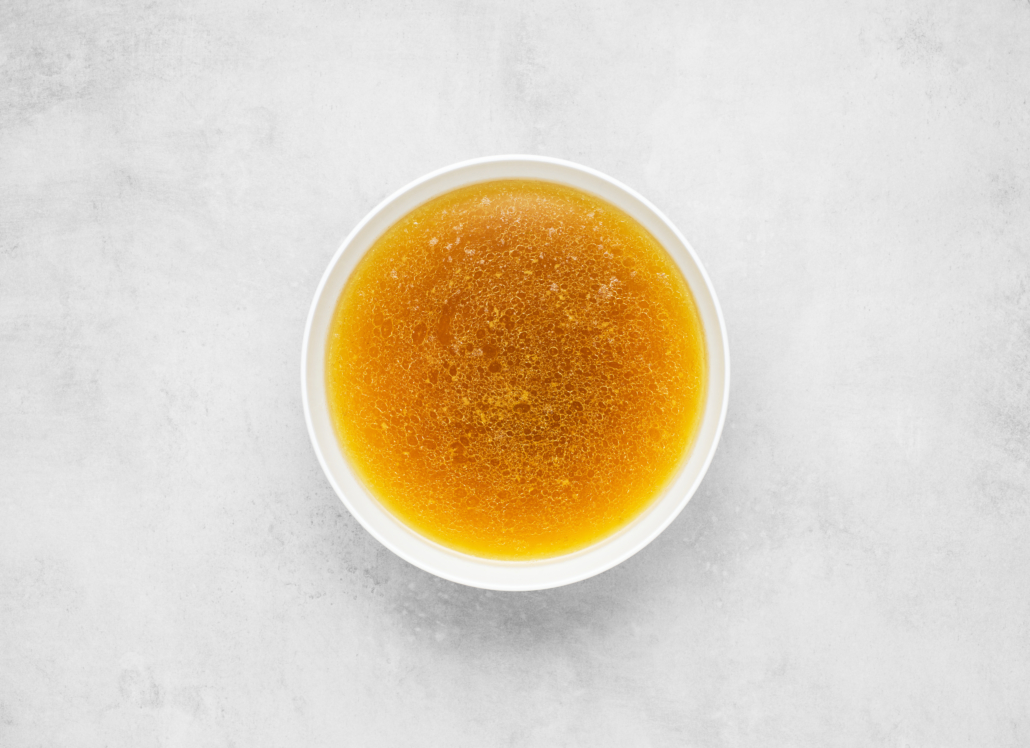
Carnivore diet bone broth has been around since pots were invented 9000 years ago. Way back then, it was just called “food.”
Studies show that for nearly 2 million years before that, bone marrow, the main component of bone broth, was the first animal product our ancient ancestors consumed. That’s because humans were scavengers before we were hunters.
In fact, it was the incredible nutrient density of scavenged marrow and brain that fueled the rapid growth of our ancestors’ brains.
Rapidly growing brains meant we soon became smart enough to hunt. With all that ancient nutrient-dense megafauna (giant mammals) roaming around, we focused nearly exclusively on hunting meat for food.
Long story short, bone marrow is what turned us into hyper-carnivorous apex predators for most of our time on Earth.
Fast forward to our modern world, and the carnivore diet and its staple foods, including bone broth, are enjoying a revival.
In this article, we’ll explore the benefits of this “liquid gold” and offer an easy carnivore diet bone broth recipe.
Carnivore Bone Broth Quick Facts
- When nutrition researcher Weston A. Price traveled the world to discover the health secrets of traditional diets, bone broth was used by virtually every ancient culture. [1]
- Excellent source of inhibitory amino acids that balance the overabundance of excitatory amino acids (tryptophan, cysteine, etc.) from muscle meats.
- Anti-aging–reduces facial lines and wrinkles while improving skin elasticity [2]
- Normalizes GABA levels to improve mood [3]
- Improves sleep [4] [5] [6]
- Suppresses inflammatory responses [7]
- Reduced joint pain in osteoarthritis patients [8]
- Promotes healthy gut microbiome [9]
- Supports mucosal lining of the gut [10] [11] [12]
- Prevents ulcers [13]

What is Carnivore Diet Bone Broth?
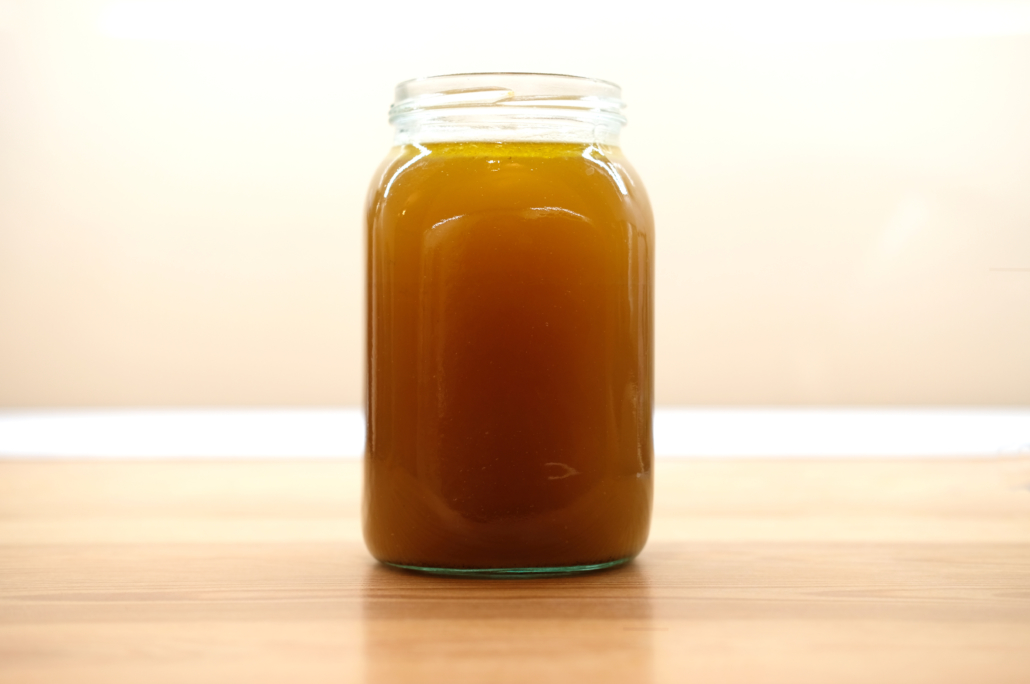
Carnivore diet bone broth is a soup made by simmering bones and connective tissues.
Often carnivore bone broth includes collagen-rich nose-to-tail animal parts like hooves, feet, beaks, gizzards, and fins.
What makes true carnivore diet bone broth different than other bone-based broths is that it does not include any plant ingredients, not even herbs, spices or vinegar. It’s only animal parts and salt.
Since bone broth as been around for millennia, different cultures have different types, but few are carnivore. For example, the popular Vietnamese bone broth soup called pho has a lot of added sugar, while ramen broth is most often made by boiling pork bones is often made with miso from soybeans.
You can make carnivore diet bone broth using bones and connective tissue from pretty much any animal, including:
- beef
- bison
- pork
- veal
- lamb
- goat
- venison
- chicken
- Fish
What is the Carnivore Diet?
In case you’re new to the carnivore diet, this way of eating entails consuming only animal products.
There are some variations on the carnivore diet, beginning with the strict meat, salt, water “lion” elimination diet.
Then there’s Dr. Kiltz’s BEBBIIS plan which stands for Bacon, Eggs, Beef, Butter, Low Carb Homemade Ice Cream, Intermittent Feasting, and Salt. He even makes space for cheat days and tallow-fried french fries every once in a while.
Whichever carnivore diet you gravitate towards, the key is cutting carbs and plant toxins while boosting healthy animal fats.
Benefits of Bone Broth on a Carnivore Diet
The carnivore diet has exploded in popularity, mainly due to the reports of thousands of people of dramatic relief and reversals of chronic ailments.
The benefits of the carnivore diet come from two main factors. The toxic, processed, evolutionarily non-aligned foods you’re eliminating from your diet and the whole, nourishing, ancestral foods that you’re consuming in abundance.
Carnivore bone broth is one of the most nourishing foods on earth. Here’s how and why.
Bone Broth Eases Symptoms Associated with Transition to Carnivore
Eliminating carbs, sugar, grains, vegetables, fruits, vegetable oils, and processed foods is a major metabolic transition for most people raised on a standard American diet.
As your body adjusts, this transition can come with some uncomfortable but temporary side effects, including diarrhea, constipation, and fatigue.
These early-stage carnivore diet side effects are due mainly to low electrolytes and lower than needed levels of bile to digest the increased fat intake.
One of the first things that happen when you cut cabs is that your body dips into its storehouse of carbs called glycogen. Glycogen molecules are attached to lots of water molecules, so to release the glycogen, your body flushes water along with electrolytes.
Carnivore Bone broth is a naturally good source of electrolytes, including potassium (10% DV), phosphorus, chloride, magnesium, and sodium.
Bone broth is also a great source of glycine. This amino acid plays an important role in fat digestion. Your body uses it to synthesize bile acids in the liver. [14]
Proper electrolyte levels and better fat digestion will help with constipation in the early going.
Protects Against Increased Methionine From Meat
One of the fears of the carnivore diet is that all that meat will increase methionine intake.
Methionine is an amino acid linked with cancer. However, there have not been any links between consuming fresh red meat and any type of cancer.
Furthermore, studies looking at the methionine cancer link have found that in order to increase base levels of homocysteine–the actual harmful amino acid that is synthesized from methionine, you need extremely high levels of methionine (500% of your normal daily intake). [15] [16] [17]
The level of methionine that you get from eating a couple of pounds of meat per day, most of which is fat (not muscle meat) like you’d get on a carnivore diet, does not increase base levels of homocysteine. [18]
In summary, there is no evidence that for healthy people, a high-meat, high-fat carnivore diet increases base levels of homocysteine.
That said, if you’re still worried about the effects of methionine from meat, bone broth should take the edge off.
Carnivore diet bone broth is one of the richest sources of amino acids like glycine that have been shown to mitigate the effects of high methionine intake. [19]

Benefits of Amino Acids in Carnivore Bone Broth
Bone broth is loaded with collagen, which makes up around 30% of the protein in your body.
Boling connective tissues into bone broth break down collagen into gelatine and other health-promoting amino acids like glycine and glutamine. [20]

Let’s look at how each of these amino acids aids our health.
Gelatin for Digestive Health
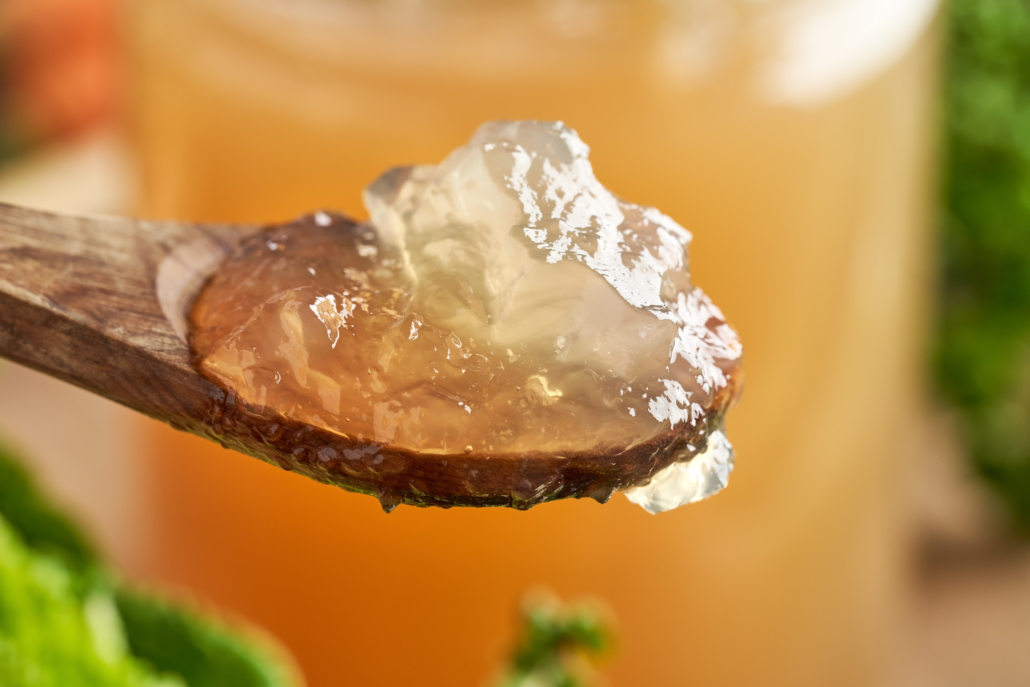
Once you cool a rich homemade bone broth, it will likely get firm and wobbly like jello. That’s because of the gelatin content. [21]
The ability of gelatin to attract and hold water allows it to bind to water inside your digestive tract. This store of moisture helps move digesting food through your system.
In animal studies, gelatin has been shown to protect the mucosal lining of the gut. More research needs to be done on humans, but these effects make it a promising food for healing leaky gut. [22] [23]
Glycine Aids Sleep and Protects Against Cancer
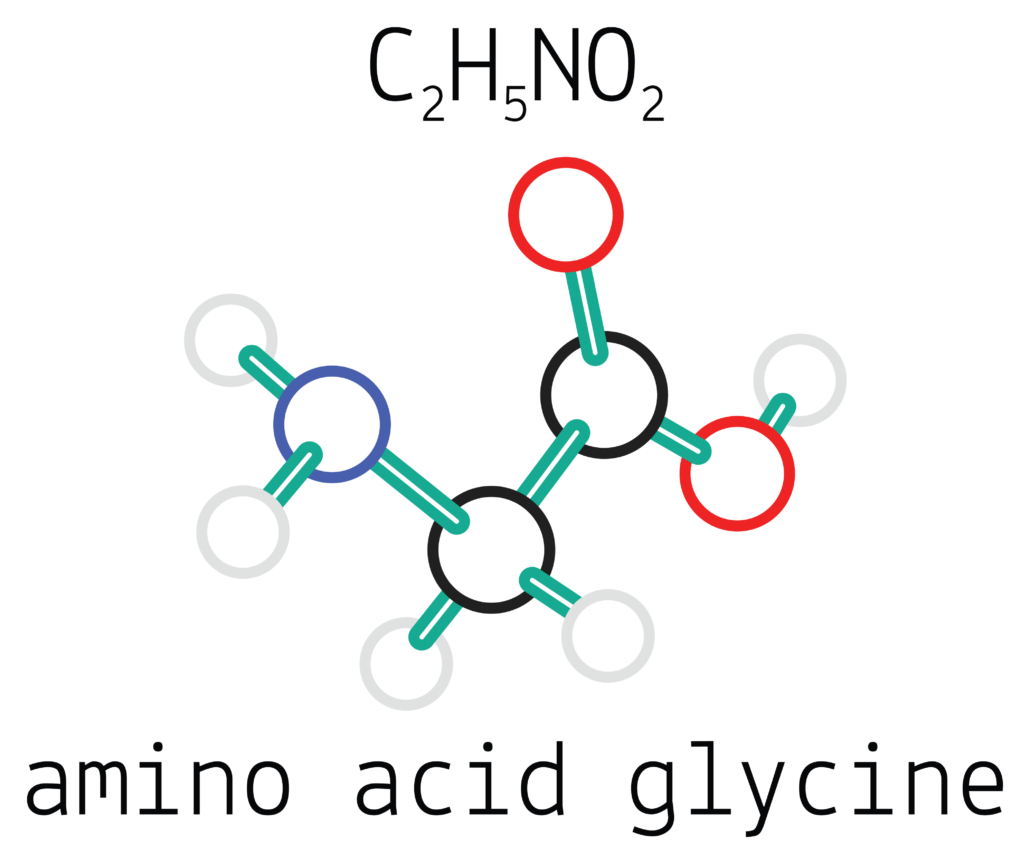
Collagen provides more glycine than any other food component. 2 tablespoons of collagen provides 3 grams of glycine. [24]
As we mentioned above, glycine has been shown to reduce homocysteine levels after protein-rich meals. [25]
Glycine has also been shown to improve sleep and control blood sugar. It is also a precursor to creatine, a compound that acts as a powerful antidepressant and enhances athletic performance and recovery. [26]
Glycine has also been shown to positively impact neurological disorders like Parkinson’s and Alzheimer’s. [27] [28]
In the digestive system, glycine protects against gastric ulcers and helps digest fat. [29]
Glycine also helps restore levels of glutathione–a powerful antioxidant that protects nearly every cell in your body. [30]
Glycine for Sleep
Numerous studies show that glycine helps promote healthy sleep. [31] [32] [33]
In one study, taking 3 grams of glycine before bed resulted in participants being able to fall asleep quickly, sleep deeply, wake up less during the night, reduce sleepiness during the day, improve cognitive ability, and improve memory. [34]
Proline for Better Immunity
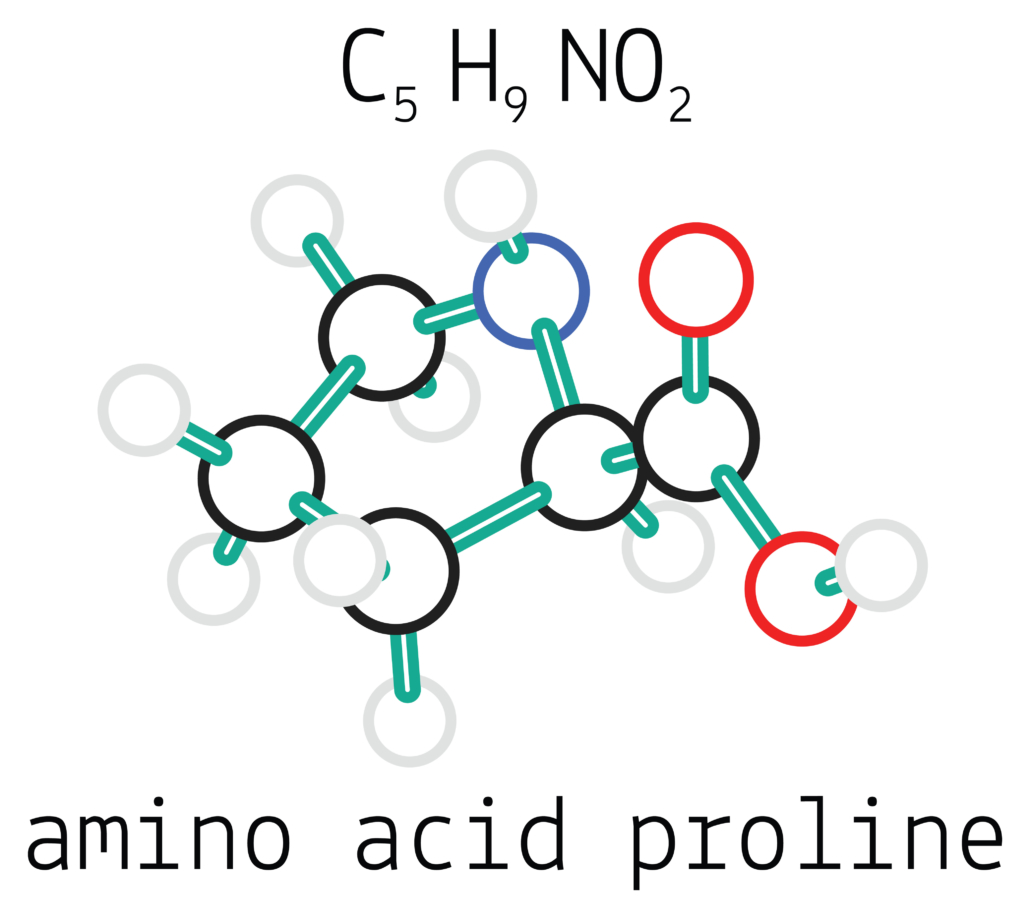
17% of the amino acids in collagen are proline. Proline has been shown to regulate metabolic pathways contributing to cell growth. It also acts like an antioxidant by eliminating free radicals from cells.
Additionally, proline is an important factor in wound healing, and healthy immune response. [35]
Glutamine for Gut and Digestive Health
Glutamine is an amino acid that fuels immune cells and intestinal cells. These qualities make glutamine an anti-inflammatory, gut-healing dietary food-medicine. [36] [37]
Glutamine can help maintain the health of your gut lining and protect against intestinal permeability. [38] [39]
Glycosaminoglycans for Joint and Skin Health
Carnivore bone broth made from bones with tendons and cartilage still attached contains complex carbohydrates called glycosaminoglycans (GAGs).
These compounds can attach to proteins to create connective tissue and the lubricant that surrounds joints. [40]
They also constitute the raw materials required for the maintenance and health of skin, cartilage, and bone. [41] .
Studies have found that the glucosamine called chondroitin reduces joint pain and decreases symptoms of osteoarthritis. [42] [43] [44]
Anti-inflammatory Arginine
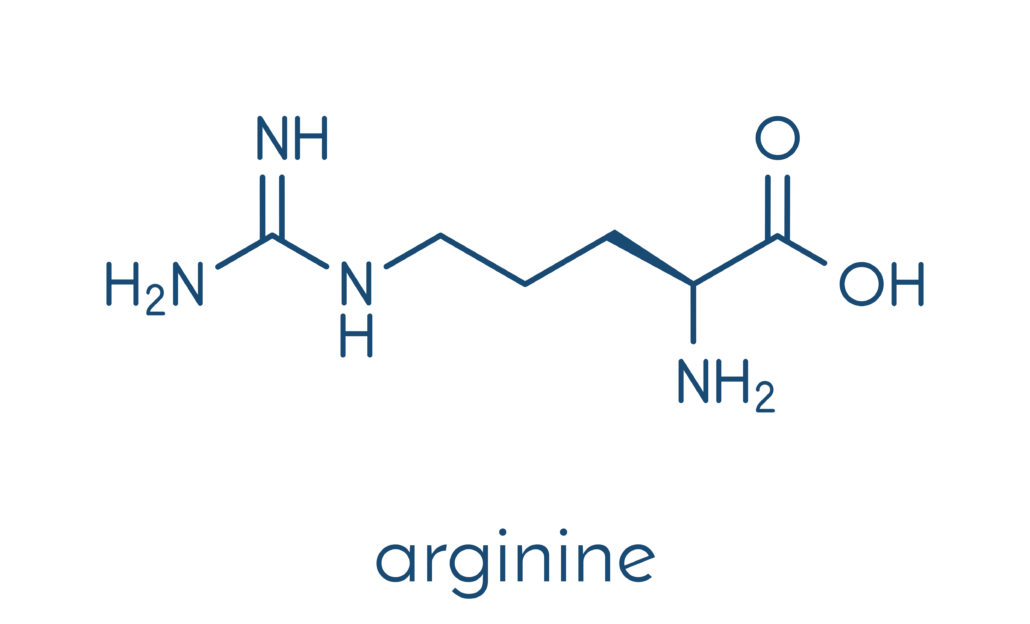
The deadliest and most prolific diseases in the modern world are all associated with chronic inflammation. These include heart disease, metabolic syndrome, diabetes, Alzheimer’s disease, arthritis, and various cancers. [45] .
Arginine, along with glycine, have been shown to provide powerful anti-inflammatory effects. [46] [47]
A 2015 animal study showed that when asthmatic mice consumed arginine, airway inflammation was reduced, and their symptoms abated. [48]
A 2016 animal study showed that arginine reduced inflammation in obese rats. [49]
Studies on both animals and humans with intestinal diseases have found that L-arginine decreases intestinal injury, reduces oxidative stress and inflammation, and restores the mucosal lining. [50] [51] [52]
Carnivore Diet Bone Broth Recipe
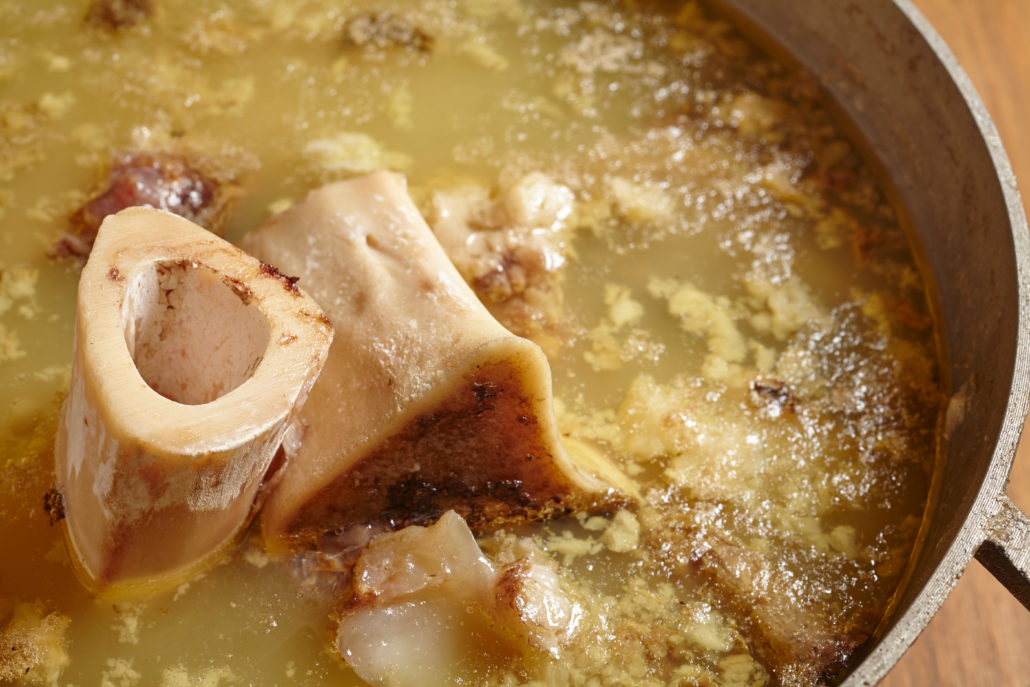
Nearly all store-bought bone broths are seasoned with non-carnivore herbs and spices. But it’s easier to make your own true carnivore diet bone broth.
Furthermore, store-bought varieties wastefully skim off the fat–schmaltz (chicken), and tallow from beef.
Remember that a carnivore diet is a high-fat low-carb diet, so all this fat is nutritional gold. We even recommend adding a few tablespoons of ghee, butter, or tallow to boost the fat content.
Most bone broth, whether homemade or store-bought, uses an acid to break down bones and help pull out the nutrients, but this is not actually necessary. We haven’t noticed a difference in consistency and taste when leaving acid out, but we leave it as an option.
Ingredients
- 12 pounds beef, chicken, lamb, bison, or fish bones
- 1/2 cup raw apple cider vinegar (optional)
- Lots of salt to taste
Directions
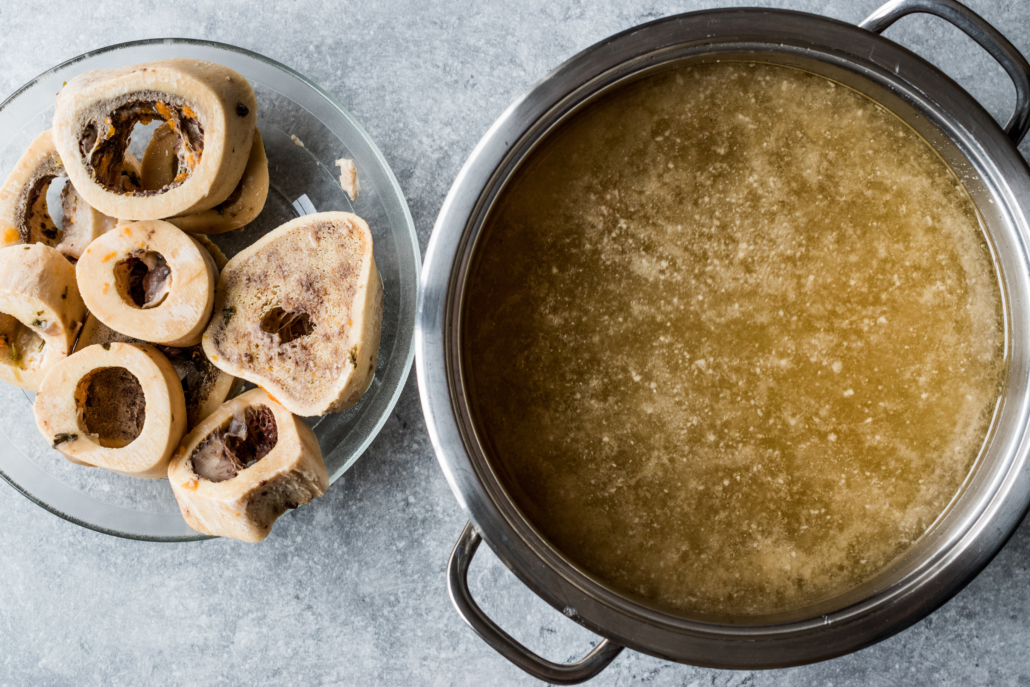
- Step1:(optional) Preheat oven to 450 °F (232°C). Arrange bones in a single layer on a large roasting tray roast for 20 minutes. Not necessary, but can add flavor.
- Step 2: Place bones in a large stock pot and fill with water so all bones are covered.
- Step 3 (optional): Add vinegar.
- Step 4: Simmer on low for 18- 72 hours. The longer, the better. Make sure bones remain covered with water. Add more when necessary.
Carnivore Diet Bone Broth: The Bottom Line
Carnivore diet bone broth provides numerous amino acids and nutrients associated with a variety of health benefits.
The glycine, gelatin, and electrolytes in bone broth directly support the transition into the carnivore diet. It also makes a convenient carnivore snack when you’re on the road.
Though most bone broth you get from the store has non-carnivore additives, you can use the recipe above to make your own true carnivore bone broth. Keep the fat, and add some more for a deeply nourishing carnivore meal.
Article Sources
- 1. Broth is Beautiful
- 2. Schauss A, Schwartz S, Hammon K, Hardy AG, Guttman N, Fong M, Dahl A. The Effects of Skin Aging Associated with the Use of BioCell Collagen: A Randomized, Double-blind, Placebo-controlled Clinical Trial (P06-122-19). Curr Dev Nutr. 2019 Jun 13;3(Suppl 1):n
- 3. Lovick TA, Wolstencroft JH. Actions of GABA, glycine, methionine-enkephalin and beta-endorphin compared with electrical stimulation of nucleus raphe magnus on responses evoked by tooth pulp stimulation in the medial reticular formation in the cat. Pain. 19
- 4, 31, 34. Yamadera, W., Inagawa, K., Chiba, S. et al. Glycine ingestion improves subjective sleep quality in human volunteers, correlating with polysomnographic changes. Sleep Biol. Rhythms 5, 126–131 (2007). https://doi.org/10.1111/j.1479-8425.2007.00262.x
- 5, 32. Kawai N, Sakai N, Okuro M, Karakawa S, Tsuneyoshi Y, Kawasaki N, Takeda T, Bannai M, Nishino S. The sleep-promoting and hypothermic effects of glycine are mediated by NMDA receptors in the suprachiasmatic nucleus. Neuropsychopharmacology. 2015 May;40(6):14
- 6, 33. Inagawa, K., Hiraoka, T., Kohda, T. et al. Subjective effects of glycine ingestion before bedtime on sleep quality. Sleep Biol. Rhythms 4, 75–77 (2006). https://doi.org/10.1111/j.1479-8425.2006.00193.x
- 7. Frasca G, Cardile V, Puglia C, Bonina C, Bonina F. Gelatin tannate reduces the proinflammatory effects of lipopolysaccharide in human intestinal epithelial cells. Clin Exp Gastroenterol. 2012;5:61-7. doi: 10.2147/CEG.S28792. Epub 2012 May 8. PMID: 22629114
- 8. Crowley DC, Lau FC, Sharma P, Evans M, Guthrie N, Bagchi M, Bagchi D, Dey DK, Raychaudhuri SP. Safety and efficacy of undenatured type II collagen in the treatment of osteoarthritis of the knee: a clinical trial. Int J Med Sci. 2009 Oct 9;6(6):312-21. doi:
- 9, 23. Scaldaferri F, Lopetuso LR, Petito V, Cufino V, Bilotta M, Arena V, Stigliano E, Maulucci G, Papi M, Emiliana CM, Poscia A, Franceschi F, Delogu G, Sanguinetti M, Spirito MD, Sgambato A, Gasbarrini A. Gelatin tannate ameliorates acute colitis in mice by re
- 10, 50. Liu Y, Wang X, Hou Y, Yin Y, Qiu Y, Wu G, Hu CA. Roles of amino acids in preventing and treating intestinal diseases: recent studies with pig models. Amino Acids. 2017 Aug;49(8):1277-1291. doi: 10.1007/s00726-017-2450-1. Epub 2017 Jun 14. PMID: 28616751.
- 11, 51. Ruth MR, Field CJ. The immune modifying effects of amino acids on gut-associated lymphoid tissue. J Anim Sci Biotechnol. 2013 Jul 30;4(1):27. doi: 10.1186/2049-1891-4-27. PMID: 23899038; PMCID: PMC3750756.
- 12, 52. Qiu Y, Yang X, Wang L, Gao K, Jiang Z. L-Arginine Inhibited Inflammatory Response and Oxidative Stress Induced by Lipopolysaccharide via Arginase-1 Signaling in IPEC-J2 Cells. Int J Mol Sci. 2019 Apr 11;20(7):1800. doi: 10.3390/ijms20071800. PMID: 30979040
- 13. Tariq M, Al Moutaery AR. Studies on the antisecretory, gastric anti-ulcer and cytoprotective properties of glycine. Research Communications in Molecular Pathology and Pharmacology. 1997 Aug;97(2):185-198. PMID: 9344231.
- 14. Wald A, Adibi SA. Stimulation of gastric acid secreted by glycine and related oligopeptides in humans. Am J Physiol. 1982 Feb;242(2):G85-8. doi: 10.1152/ajpgi.1982.242.2.G85. PMID: 7065145.
- 15. Verhoef P, van Vliet T, Olthof MR, Katan MB. A high-protein diet increases postprandial but not fasting plasma total homocysteine concentrations: a dietary controlled, crossover trial in healthy volunteers. Am J Clin Nutr. 2005 Sep;82(3):553-8. doi: 10.109
- 16. Verhoef P, Steenge GR, Boelsma E, van Vliet T, Olthof MR, Katan MB. Dietary serine and cystine attenuate the homocysteine-raising effect of dietary methionine: a randomized crossover trial in humans. Am J Clin Nutr. 2004 Sep;80(3):674-9. doi: 10.1093/ajcn/
- 17. Haulrik N, Toubro S, Dyerberg J, Stender S, Skov AR, Astrup A. Effect of protein and methionine intakes on plasma homocysteine concentrations: a 6-mo randomized controlled trial in overweight subjects. Am J Clin Nutr. 2002 Dec;76(6):1202-6. doi: 10.1093/aj
- 18. Andersson A, Brattström L, Israelsson B, Isaksson A, Hultberg B. The effect of excess daily methionine intake on plasma homocysteine after a methionine loading test in humans. Clin Chim Acta. 1990 Nov 15;192(1):69-76. doi: 10.1016/0009-8981(90)90273-u. PMI
- 19. Sugiyama K, Kushima Y, Muramatsu K. Effect of dietary glycine on methionine metabolism in rats fed a high-methionine diet. J Nutr Sci Vitaminol (Tokyo). 1987 Jun;33(3):195-205. doi: 10.3177/jnsv.33.195. PMID: 3668700.
- 20. Paul C, Leser S, Oesser S. Significant Amounts of Functional Collagen Peptides Can Be Incorporated in the Diet While Maintaining Indispensable Amino Acid Balance. Nutrients. 2019 May 15;11(5):1079. doi: 10.3390/nu11051079. PMID: 31096622; PMCID: PMC6566836
- 21. Gelatin
- 22. Zhu S, Huang M, Feng G, Miao Y, Wu H, Zeng M, Lo YM. Gelatin versus its two major degradation products, prolyl-hydroxyproline and glycine, as supportive therapy in experimental colitis in mice. Food Sci Nutr. 2018 Apr 16;6(4):1023-1031. doi: 10.1002/fsn3.6
- 24. Di Lullo GA, Sweeney SM, Korkko J, Ala-Kokko L, San Antonio JD. Mapping the ligand-binding sites and disease-associated mutations on the most abundant protein in the human, type I collagen. J Biol Chem. 2002 Feb 8;277(6):4223-31. doi: 10.1074/jbc.M11070920
- 25. Fukada S, Shimada Y, Morita T, Sugiyama K. Suppression of methionine-induced hyperhomocysteinemia by glycine and serine in rats. Biosci Biotechnol Biochem. 2006 Oct;70(10):2403-9. doi: 10.1271/bbb.60130. Epub 2006 Oct 7. PMID: 17031061.
- 26. Lanhers C, Pereira B, Naughton G, Trousselard M, Lesage FX, Dutheil F. Creatine Supplementation and Upper Limb Strength Performance: A Systematic Review and Meta-Analysis. Sports Med. 2017 Jan;47(1):163-173. doi: 10.1007/s40279-016-0571-4. PMID: 27328852.
- 27. Chilibeck PD, Candow DG, Landeryou T, Kaviani M, Paus-Jenssen L. Effects of Creatine and Resistance Training on Bone Health in Postmenopausal Women. Med Sci Sports Exerc. 2015 Aug;47(8):1587-95. doi: 10.1249/MSS.0000000000000571. PMID: 25386713.
- 28. Avgerinos KI, Spyrou N, Bougioukas KI, Kapogiannis D. Effects of creatine supplementation on cognitive function of healthy individuals: A systematic review of randomized controlled trials. Exp Gerontol. 2018 Jul 15;108:166-173. doi: 10.1016/j.exger.2018.04
- 29, 46. Razak MA, Begum PS, Viswanath B, Rajagopal S. Multifarious Beneficial Effect of Nonessential Amino Acid, Glycine: A Review. Oxid Med Cell Longev. 2017;2017:1716701. doi: 10.1155/2017/1716701. Epub 2017 Mar 1. Erratum in: Oxid Med Cell Longev. 2022 Feb 23;2
- 30. Glycine Increases Insulin Sensitivity and Glutathione Biosynthesis and Protects against Oxidative Stress in a Model of Sucrose-Induced Insulin Resistance
- 35. Wu G, Bazer FW, Burghardt RC, Johnson GA, Kim SW, Knabe DA, Li P, Li X, McKnight JR, Satterfield MC, Spencer TE. Proline and hydroxyproline metabolism: implications for animal and human nutrition. Amino Acids. 2011 Apr;40(4):1053-63. doi: 10.1007/s00726-01
- 36. Demling RH. Nutrition, anabolism, and the wound healing process: an overview. Eplasty. 2009;9:e9. Epub 2009 Feb 3. PMID: 19274069; PMCID: PMC2642618.
- 37. Kim H. Glutamine as an immunonutrient. Yonsei Med J. 2011 Nov;52(6):892-7. doi: 10.3349/ymj.2011.52.6.892. PMID: 22028151; PMCID: PMC3220259.
- 38. Rao R, Samak G. Role of Glutamine in Protection of Intestinal Epithelial Tight Junctions. J Epithel Biol Pharmacol. 2012 Jan;5(Suppl 1-M7):47-54. doi: 10.2174/1875044301205010047. PMID: 25810794; PMCID: PMC4369670.
- 39. Wang B, Wu G, Zhou Z, Dai Z, Sun Y, Ji Y, Li W, Wang W, Liu C, Han F, Wu Z. Glutamine and intestinal barrier function. Amino Acids. 2015 Oct;47(10):2143-54. doi: 10.1007/s00726-014-1773-4. Epub 2014 Jun 26. PMID: 24965526.
- 40. Rahul Raman, V. Sasisekharan, Ram Sasisekharan, Structural Insights into Biological Roles of Protein Glycosaminoglycan Interactions, Chemistry & Biology, Volume 12, Issue 3, 2005, Pages 267-277, ISSN 1074-5521, https://doi.org/10.1016/j.chembiol.2004.11.02
- 41. ”Casale
- 42. Ogata T, Ideno Y, Akai M, Seichi A, Hagino H, Iwaya T, Doi T, Yamada K, Chen AZ, Li Y, Hayashi K. Effects of glucosamine in patients with osteoarthritis of the knee: a systematic review and meta-analysis. Clin Rheumatol. 2018 Sep;37(9):2479-2487. doi: 10.1
- 43. Singh JA, Noorbaloochi S, MacDonald R, Maxwell LJ. Chondroitin for osteoarthritis. Cochrane Database Syst Rev. 2015 Jan 28;1(1):CD005614. doi: 10.1002/14651858.CD005614.pub2. PMID: 25629804; PMCID: PMC4881293.
- 44. Hochberg MC, Martel-Pelletier J, Monfort J, Möller I, Castillo JR, Arden N, Berenbaum F, Blanco FJ, Conaghan PG, Doménech G, Henrotin Y, Pap T, Richette P, Sawitzke A, du Souich P, Pelletier JP; MOVES Investigation Group. Combined chondroitin sulfate and g
- 45. ”Pahwa
- 47. Wijnands KA, Castermans TM, Hommen MP, Meesters DM, Poeze M. Arginine and citrulline and the immune response in sepsis. Nutrients. 2015 Feb 18;7(3):1426-63. doi: 10.3390/nu7031426. PMID: 25699985; PMCID: PMC4377861.
- 48. Zhang R, Kubo M, Murakami I, Setiawan H, Takemoto K, Inoue K, Fujikura Y, Ogino K. l-Arginine administration attenuates airway inflammation by altering l-arginine metabolism in an NC/Nga mouse model of asthma. J Clin Biochem Nutr. 2015 May;56(3):201-7. doi
- 49. Kim HJ, Son J, Jin E, Lee J, Park S. Effects of exercise and L-arginine intake on inflammation in aorta of high-fat diet induced obese rats. J Exerc Nutrition Biochem. 2016 Mar 31;20(1):36-40. doi: 10.20463/jenb.2016.03.20.1.6. PMID: 27298811; PMCID: PMC48