
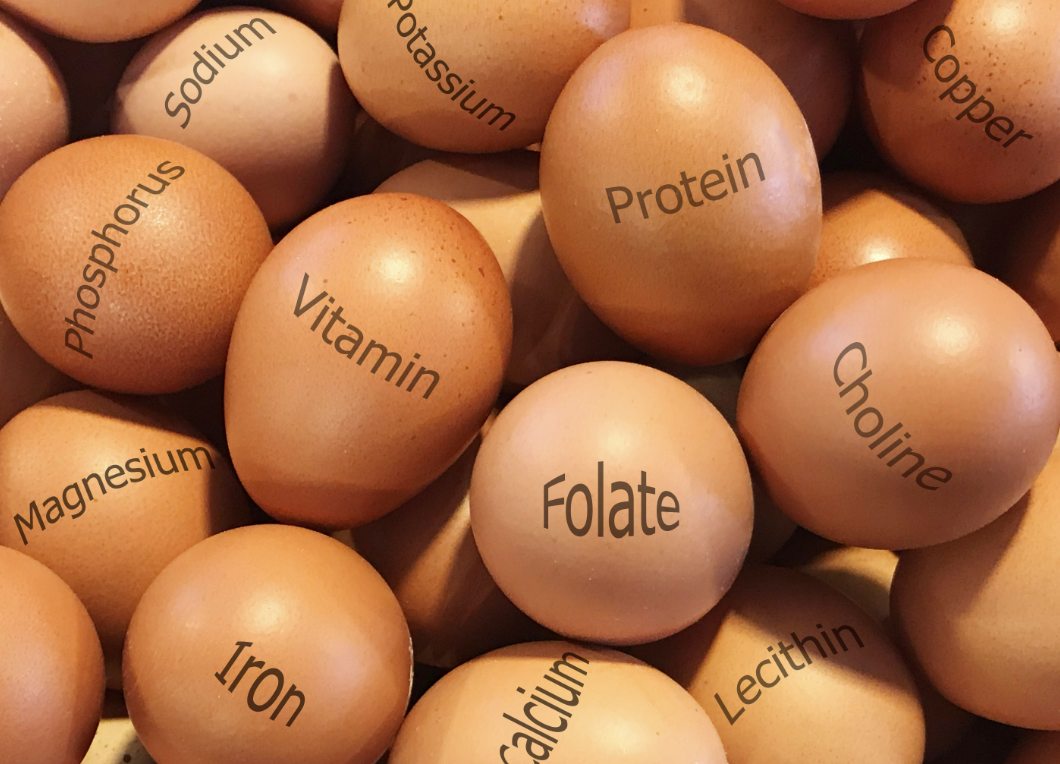
Eggs are one of the most nutritious foods on earth. This makes sense, considering that eggs contain all the nutrients needed to produce a complex living creature. Choline is one of the most vital nutrients in eggs, and most people haven’t heard of it.
Choline is essential for many bodily processes, including metabolism, neurotransmitter synthesis, brain and fetal development, and more.
In this article, we’ll explore the importance of choline, how much you need, and how much choline you get from eggs.
What is Choline?
Choline is an essential water-soluble compound that is neither a vitamin nor a mineral, yet it acts much like a vitamin and is often grouped with other B vitamins due to its similar properties.
“Essential” in this context means that even though your body produces some choline on its own, you need to get most of your choline from dietary sources in order to support normal bodily functions.
Interestingly, choline is only recently discovered, as far as nutrients go. It was identified as an essential nutrient by the Institute of Medicine in 1998.1
Choline has many roles in the body, including [1] :
- neurotransmitter synthesis
- cell-membrane signaling
- lipid transport
- methyl-group metabolism.
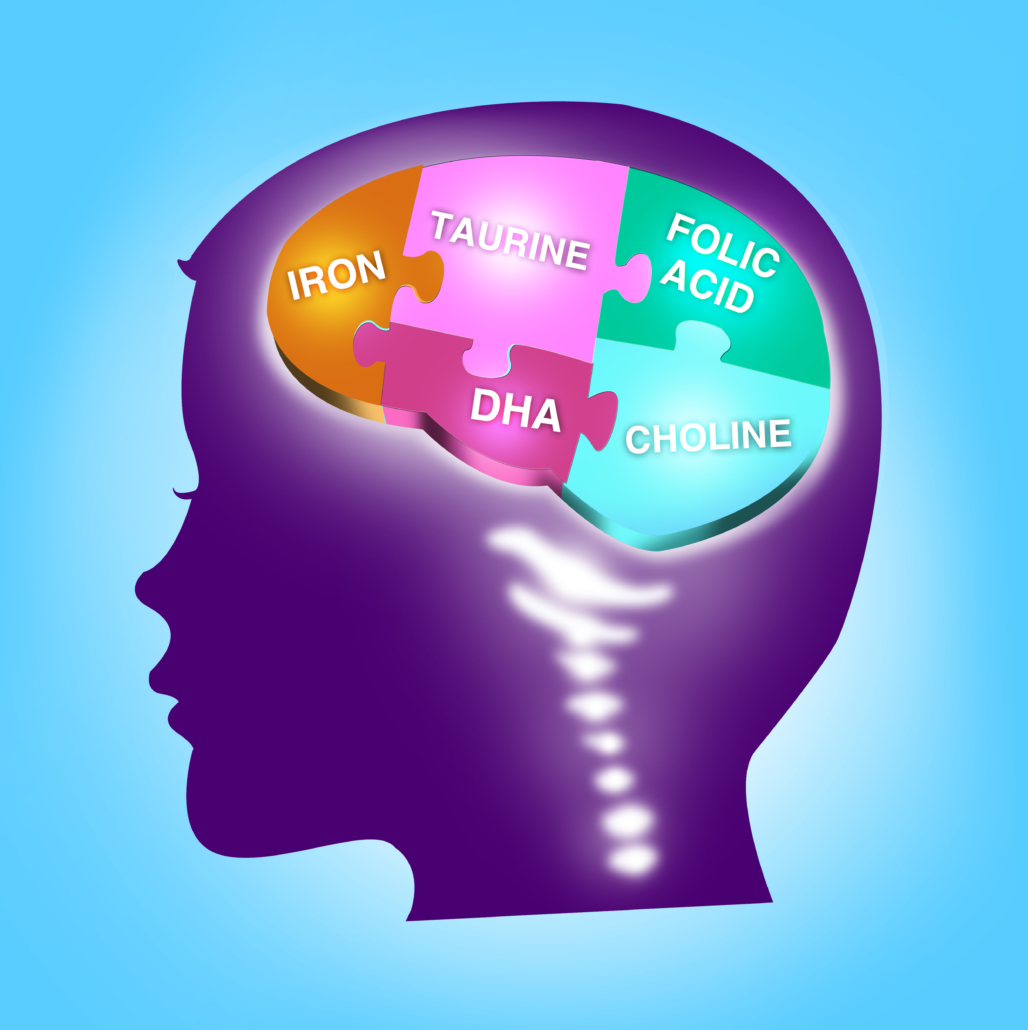
- crucial for brain development
- memory development in infants
- can lower the risk of neural tube defects in infants
- Important pregnant and nursing women due to its effects on fetal and brain development in infants
What Happens if You Don’t Get Enough Choline?
Choline plays a wide role in many critical bodily functions, so choline deficiency can have widespread and serious effects, including [2]
- diseases such as liver disease
- atherosclerosis
- neurological disorders.
Additionally, research shows that a low intake of choline can increase your risk of pregnancy complications, including preeclampsia, premature birth, and low birth weight. [3]

How Much Choline is in Eggs?
Eggs are one of the highest food sources of choline
A single large egg provides 147 mg per large egg–around 25% of your RDI.
A normal 2-3 egg breakfast provides 50-75% of your RDI.
And be sure to eat the yolk. As with other nutrients, the egg yolk contains nearly all the choline in eggs. There’s a whopping 680 milligrams per 100 grams of egg yolk. [4]
How Much Choline Do I Need?
The current RDI of choline for men is 550 mg/day and for women is 425 mg/day.
But like all nutrient RDIs, the amount you need may vary depending on age, gender, and life stage.
It’s worth highlighting that recent research has revealed that 90% of the American population does not meet this recommended choline intake. [5] [6]
The RDIs for different age and gender groups are as follows:
- Infants (0-6 months): 125 milligrams per day
- Infants (7-12 months): 150 milligrams per day
- Children (1-3 years): 200 milligrams per day
- Children (4-8 years): 250 milligrams per day
- Children (9-13 years): 375 milligrams per day
- Adolescents (14-18 years): 550 milligrams per day
- Adults (19 years and older): 425 milligrams per day for women and 550 milligrams per day for men
People at increased risk for choline deficits include:
- Endurance athletes: Choline levels decline over long periods of exercise. [7]
- Heavy drinkers: Drinking alcohol increases your choline requirements putting you at greater risk for deficiency [8] [9]
- Postmenopausal women: The hormone estrogen plays a role in producing choline in the body. When estrogen levels drop during menopause, women may be at risk of deficiency [10] [11]
- Pregnant women: Choline plays an important role in infant development, leading to possible deficiency in the mother carrying the child. [12]

Benefits of Choline in Eggs
Here’s a brief, slightly technical summary of the key benefits of choline;
- Supports the structure of cell membranes: Choline is a key component of phosphatidylcholine. This is a type of phospholipid that is a major component of cell membranes. It helps to maintain the integrity and fluidity of cell membranes, which is important for proper cell functioning. [13]
- Aids in the production of neurotransmitters: Choline is involved in the synthesis of acetylcholine, a neurotransmitter that is important for learning and memory. It may also play a role in the production of other neurotransmitters such as dopamine and serotonin. [14] [15]
- Supports liver function: Choline is involved in the metabolism of fat in the liver and may help to prevent the accumulation of excess fat in this organ. It may also help to reduce the risk of liver disease and improve liver function in people with existing liver conditions. [16]
- May improve brain function: Some research suggests that choline may help to improve memory and cognitive function, particularly in older adults. [17] [18]
- May reduce inflammation: Choline may have anti-inflammatory effects and may help to reduce inflammation in the body. [19] [20]
- One study determined that a higher dietary intake around the time of conception was associated with a lower risk of neural tube defects. [21]
Sources of Choline other than Eggs
For people with egg allergies, it is possible to get adequate choline from other dietary sources, including:
- beef liver: 333 mg per 100 grams–66% RDI
- Salmon: 200 mg per 100 grams–40% RDI
- Beef muscle meat: 132 mg per 100 grams–26% RDI
Prenatal Supplements
For pregnant and breastfeeding women or women who are trying to become pregnant, a high-quality prenatal supplement with choline may be a good option.
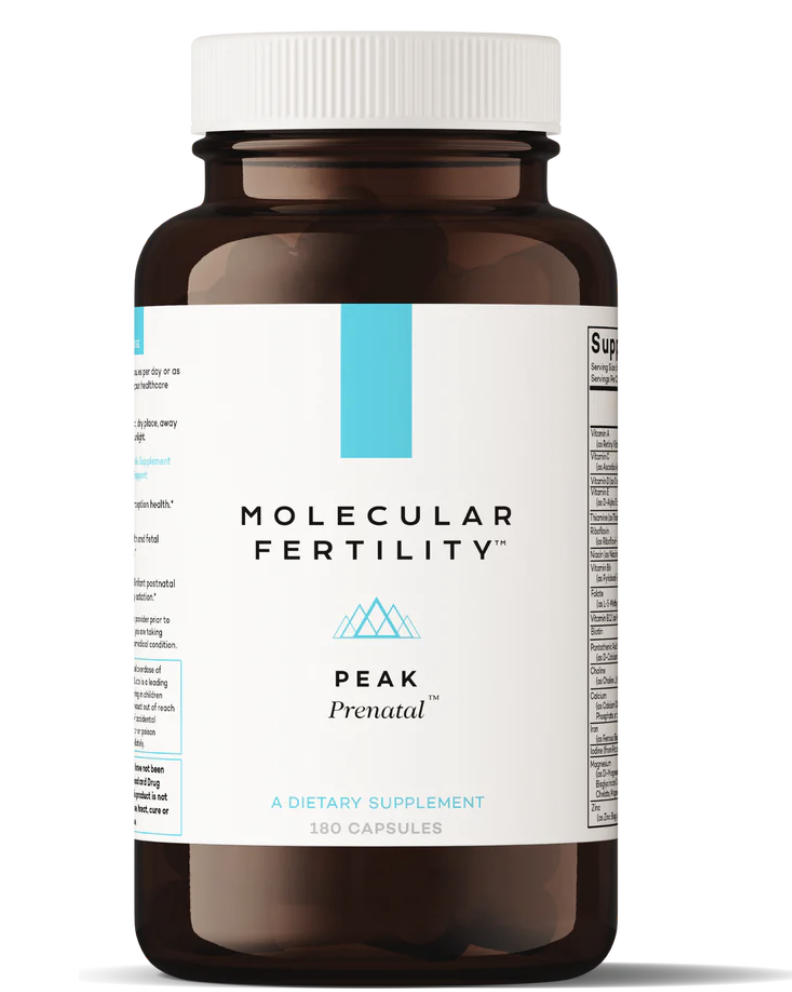
Dr. Kiltz’s Peak Prenatal supplement provides 550 mg of VitaCholine™ for 100% of your RDI.
Beef Liver Supplements
Beef liver supplements are a convenient and tasteless way to make “nature’s multivitamin” part of your daily routine. In addition to choline, beef liver supplies high levels of vitamin A retinol, and B12.
What About Eggs and Heart Disease?
The idea that dietary cholesterol and saturated fat from eggs cause heart disease has been thoroughly debunked by modern science.
Not only are dietary saturated fat and cholesterol not harmful, but the choline in eggs may also play a cardioprotective role.
Choline is a precursor of a compound called acetylcholine linked to cardioprotective compounds called cardiomyocytes that increase the body’s ability to tolerate injury to the heart’s musculature.

In this 2018 study, researchers gathered data from half a million Chinese adults and found that people who ate eggs daily had [22] :
- 14% lower risk of major cardiac events
- 11% lower risk of CVD
- 12% lower risk of ischemic heart disease
- 18% lower risk of CVD death
Furthermore, dozens of modern studies link high cholesterol with lower mortality risks. Many studies also link low cholesterol with numerous increased health risks, including all-cause mortality. [23] [24] [25] [26] [27] [28] [29] [30] [31] [32] [33] [34]
Choline in Eggs: The Takeaway
Eggs are a good source of choline, an important nutrient for brain and liver function, as well as for the development of the nervous system in fetuses and infants.
Choline is found in greatest abundance in animal products, including eggs.
Research suggests that choline is important for brain function, including memory and learning, and that it may have potential as a treatment for neurological disorders such as Alzheimer’s disease and Parkinson’s disease.
A single large egg contains about 147 milligrams of choline, around 30% of the average recommended daily intake (RDI) for adults.
This makes eggs an excellent source of choline and a good choice for people looking to increase their intake of this important nutrient.
Article Sources
- 1, 2, 3, 4, 15. Zeisel SH, da Costa KA. Choline: an essential nutrient for public health. Nutr Rev. 2009 Nov;67(11):615-23. doi: 10.1111/j.1753-4887.2009.00246.x. PMID: 19906248; PMCID: PMC2782876.
- 5. Choline Fact Sheet for Health Professionals
- 6. Mun JG, Legette LL, Ikonte CJ, Mitmesser SH. Choline and DHA in Maternal and Infant Nutrition: Synergistic Implications in Brain and Eye Health. Nutrients. 2019 May 21;11(5):1125. doi: 10.3390/nu11051125. PMID: 31117180; PMCID: PMC6566660.
- 7. von Allwörden HN, Horn S, Kahl J, Feldheim W. The influence of lecithin on plasma choline concentrations in triathletes and adolescent runners during exercise. Eur J Appl Physiol Occup Physiol. 1993;67(1):87-91. doi: 10.1007/BF00377711. PMID: 8375373.
- 8. KLATSKIN G, KREHL WA, CONN HO. The effect of alcohol on the choline requirement. I. Changes in the rat's liver following prolonged ingestion of alcohol. J Exp Med. 1954 Dec 1;100(6):605-14. doi: 10.1084/jem.100.6.605. PMID: 13211917; PMCID: PMC2136402.
- 9. KLATSKIN G, KREHL WA. The effect of alcohol on the choline requirement. II. Incidence of renal necrosis in weanling rats following short term ingestion of alcohol. J Exp Med. 1954 Dec 1;100(6):615-27. doi: 10.1084/jem.100.6.615. PMID: 13211918; PMCID: PMC2
- 10. Fischer LM, da Costa KA, Kwock L, Galanko J, Zeisel SH. Dietary choline requirements of women: effects of estrogen and genetic variation. Am J Clin Nutr. 2010 Nov;92(5):1113-9. doi: 10.3945/ajcn.2010.30064. Epub 2010 Sep 22. PMID: 20861172; PMCID: PMC29544
- 11. Resseguie M, Song J, Niculescu MD, da Costa KA, Randall TA, Zeisel SH. Phosphatidylethanolamine N-methyltransferase (PEMT) gene expression is induced by estrogen in human and mouse primary hepatocytes. FASEB J. 2007 Aug;21(10):2622-32. doi: 10.1096/fj.07-8
- 12. Zeisel SH. Choline: critical role during fetal development and dietary requirements in adults. Annu Rev Nutr. 2006;26:229-50. doi: 10.1146/annurev.nutr.26.061505.111156. PMID: 16848706; PMCID: PMC2441939.
- 13. Ueland PM. Choline and betaine in health and disease. J Inherit Metab Dis. 2011 Feb;34(1):3-15. doi: 10.1007/s10545-010-9088-4. Epub 2010 May 6. PMID: 20446114.
- 14. Fernstrom JD. Effects on the diet on brain neurotransmitters. Metabolism. 1977 Feb;26(2):207-23. doi: 10.1016/0026-0495(77)90057-9. PMID: 13261.
- 16. Mehedint MG, Zeisel SH. Choline's role in maintaining liver function: new evidence for epigenetic mechanisms. Curr Opin Clin Nutr Metab Care. 2013 May;16(3):339-45. doi: 10.1097/MCO.0b013e3283600d46. PMID: 23493015; PMCID: PMC3729018.
- 17. Derbyshire E, Obeid R. Choline, Neurological Development and Brain Function: A Systematic Review Focusing on the First 1000 Days. Nutrients. 2020 Jun 10;12(6):1731. doi: 10.3390/nu12061731. PMID: 32531929; PMCID: PMC7352907.
- 18. Poly C, Massaro JM, Seshadri S, Wolf PA, Cho E, Krall E, Jacques PF, Au R. The relation of dietary choline to cognitive performance and white-matter hyperintensity in the Framingham Offspring Cohort. Am J Clin Nutr. 2011 Dec;94(6):1584-91. doi: 10.3945/ajc
- 19. Kusuda R, Carreira EU, Ulloa L, Cunha FQ, Kanashiro A, Cunha TM. Choline attenuates inflammatory hyperalgesia activating nitric oxide/cGMP/ATP-sensitive potassium channels pathway. Brain Res. 2020 Jan 15;1727:146567. doi: 10.1016/j.brainres.2019.146567. Ep
- 20. Rosas-Ballina M, Tracey KJ. Cholinergic control of inflammation. J Intern Med. 2009 Jun;265(6):663-79. doi: 10.1111/j.1365-2796.2009.02098.x. PMID: 19493060; PMCID: PMC4540232.
- 21. Shaw GM, Carmichael SL, Yang W, Selvin S, Schaffer DM. Periconceptional dietary intake of choline and betaine and neural tube defects in offspring. Am J Epidemiol. 2004 Jul 15;160(2):102-9. doi: 10.1093/aje/kwh187. PMID: 15234930.
- 22. Qin C, Lv J, Guo Y on behalf of the China Kadoorie Biobank Collaborative Group, et alAssociations of egg consumption with cardiovascular disease in a cohort study of 0.5 million Chinese adultsHeart 2018;104:1756-1763.
- 23. Liang Y, Vetrano DL, Qiu C. Serum total cholesterol and risk of cardiovascular and non-cardiovascular mortality in old age: a population-based study. BMC Geriatr. 2017 Dec 28;17(1):294. doi: 10.1186/s12877-017-0685-z. PMID: 29281976; PMCID: PMC5745647.
- 24. Kaysen GA, Ye X, Raimann JG, Wang Y, Topping A, Usvyat LA, Stuard S, Canaud B, van der Sande FM, Kooman JP, Kotanko P; Monitoring Dialysis Outcomes (MONDO) Initiative. Lipid levels are inversely associated with infectious and all-cause mortality: internati
- 25. Schatz IJ, Masaki K, Yano K, Chen R, Rodriguez BL, Curb JD. Cholesterol and all-cause mortality in elderly people from the Honolulu Heart Program: a cohort study. Lancet. 2001 Aug 4;358(9279):351-5. doi: 10.1016/S0140-6736(01)05553-2. PMID: 11502313.
- 26. U. Ravnskov, High cholesterol may protect against infections and atherosclerosis, QJM: An International Journal of Medicine, Volume 96, Issue 12, December 2003, Pages 927–934, https://doi.org/10.1093/qjmed/hcg150
- 27. Brescianini S, Maggi S, Farchi G, Mariotti S, Di Carlo A, Baldereschi M, Inzitari D; ILSA Group. Low total cholesterol and increased risk of dying: are low levels clinical warning signs in the elderly? Results from the Italian Longitudinal Study on Aging.
- 28. Ravnskov U, Diamond DM, Hama R, Hamazaki T, Hammarskjöld B, Hynes N, Kendrick M, Langsjoen PH, Malhotra A, Mascitelli L, McCully KS, Ogushi Y, Okuyama H, Rosch PJ, Schersten T, Sultan S, Sundberg R. Lack of an association or an inverse association between
- 29. Petursson H, Sigurdsson JA, Bengtsson C, Nilsen TI, Getz L. Is the use of cholesterol in mortality risk algorithms in clinical guidelines valid? Ten years prospective data from the Norwegian HUNT 2 study. J Eval Clin Pract. 2012 Feb;18(1):159-68. doi: 10.1
- 30. Serum cholesterol levels and in-hospital mortality in the elderly
- 31. Joseph A. Boscarino, Porat M. Erlich, Stuart N. Hoffman, Low serum cholesterol and external-cause mortality: Potential implications for research and surveillance, Journal of Psychiatric Research, Volume 43, Issue 9, 2009, Pages 848-854, ISSN 0022-3956, htt
- 32. Low LDL cholesterol is related to cancer risk
- 33. Low Serum LDL Cholesterol Levels and the Risk of Fever, Sepsis, and Malignancy
- 34. THE ASSOCIATION BETWEEN LOWER LEVELS OF LOW-DENSITY LIPOPROTEIN CHOLESTEROL AND CANCER PREDATES THE DIAGNOSIS OF CANCER BY 18 YEARS