
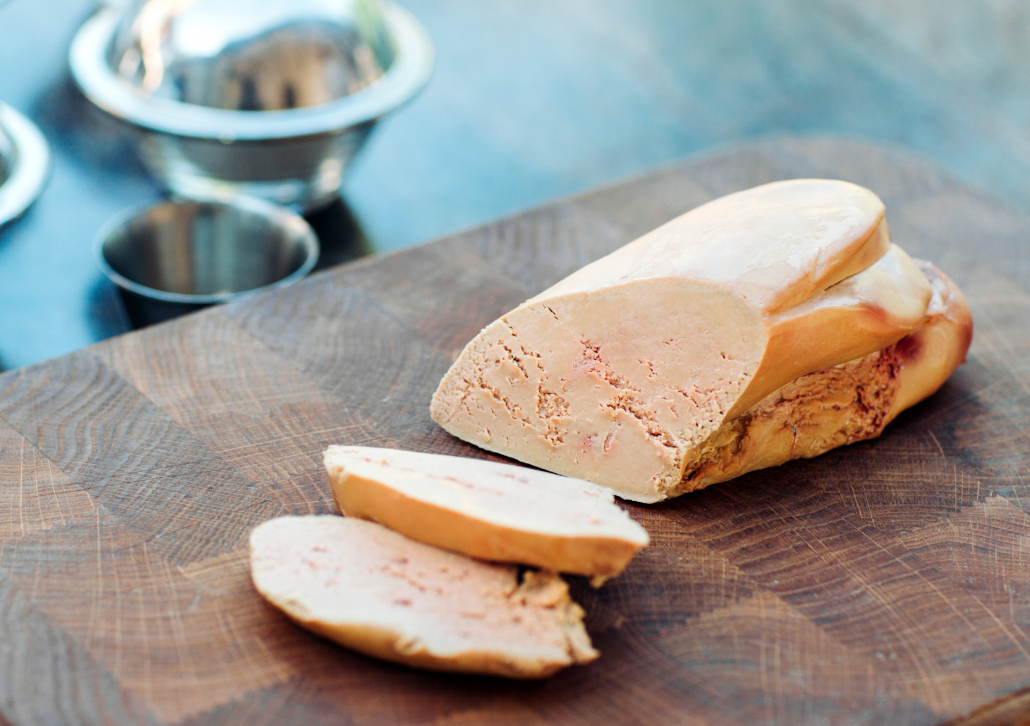
Most people think of goose liver as either an oddity or a delicacy–especially when consumed as foie gras.
What most people don’t realize is that goose liver is one of the healthiest foods on earth and offers numerous health benefits.
Goose liver provides complete proteins and healthy fats, and it’s loaded with essential vitamins like retinol (vitamin A) and B vitamins and trace minerals like iron and copper. Many of these nutrients are only found in meat.
Let’s explore the nutrition and benefits of this under-the-radar superfood.
Goose Liver Nutrition
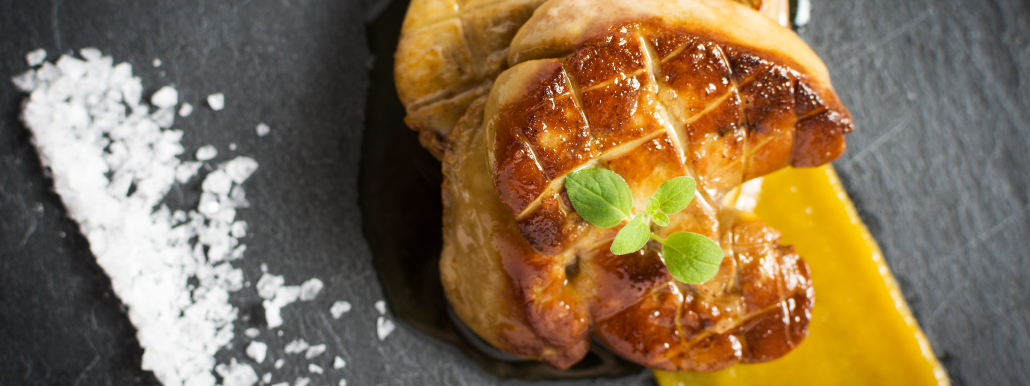
One thing to keep in mind is that the nutritional properties of goose liver are much different than when it’s raised as foie gras.
Normal goose liver has much higher concentrations of micronutrients (vitamins and minerals). While foie gras is remarkably rich in anti-inflammatory monounsaturated fatty acids and healthy saturated fat.
Nutrients Per 100 grams of Goose Liver
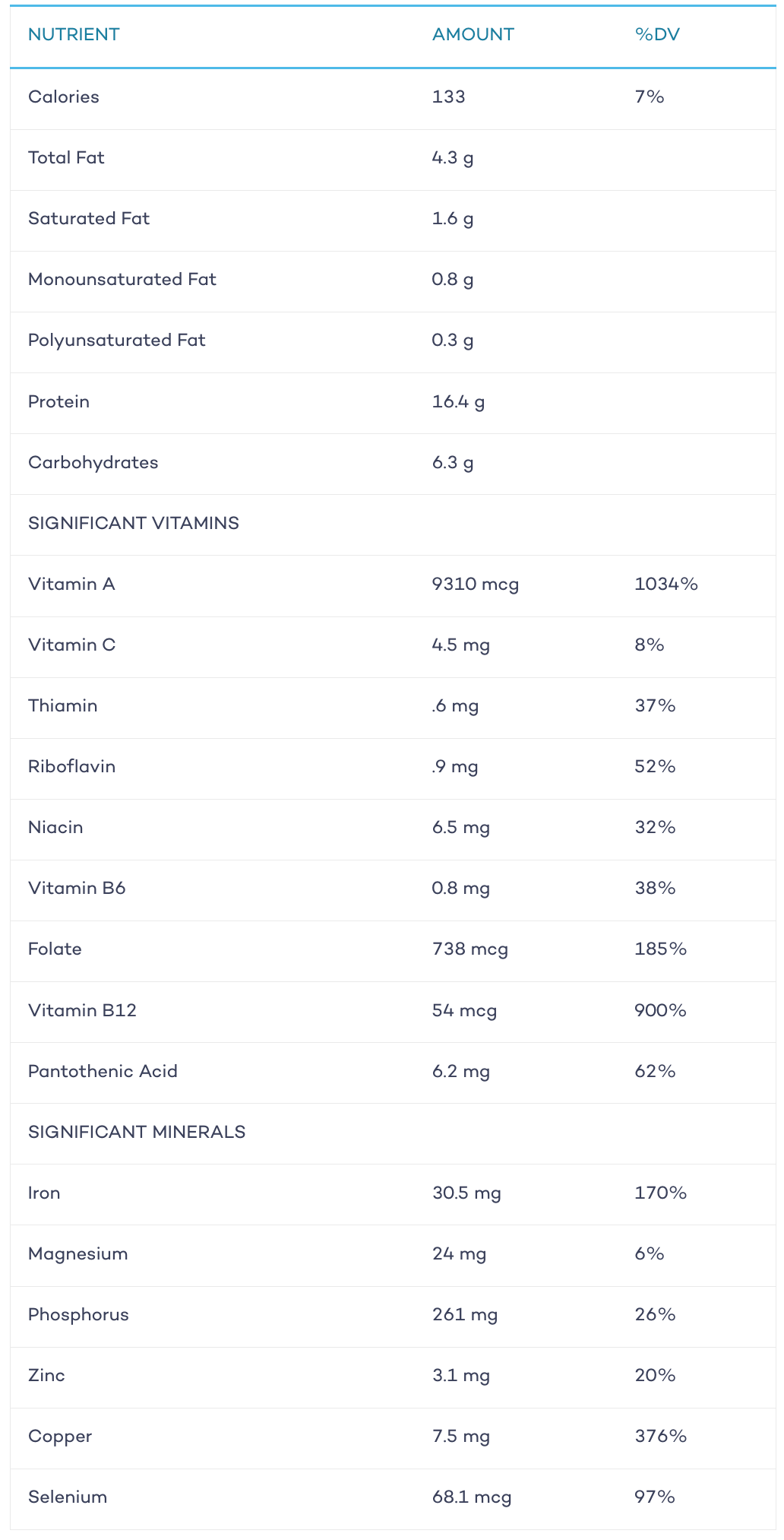
Nutrients Per 100 grams of Foie Gras


Goose Liver Nutritional Benefits
The benefits of goose liver derive from its nutrients, so let’s take a closer look at how these key nutrients can benefit your health.
Vitamin K2 (Menaquinone)
100 grams of goose liver pate has 369 mcg or 308% of the DV of the crucial but under-appreciated vitamin K2.
This makes it the number one source of vitamin K2 in food.
Vitamin K2 activates other vital nutrients like vitamin A and specific proteins that play roles in blood clotting, calcium metabolism, and heart health.
K2 is so potent that it works in relatively low doses–so you can get it from duck liver without having to supplement. [1]
Supports Cardiovascular Health
The K2 in goose liver can support heart health by reducing calcium build-up in the arteries, as well as the kidneys. [2] [3] .
This is no small feat, considering arterial calcification is one of the biggest heart disease risk factors. [4] [5] [6] .
In one long-term study spanning 7–10 years, people who consumed the highest amounts of K2 were 52% less likely to develop artery calcification. Not surprisingly, these participants demonstrated a 57% lower risk of mortality from heart disease. [7]
Another large-scale study following 16,057 women found that those with the highest K2 intake had far less risk of heart disease. For every 10 mcg of K2 a participant consumed per day, their heart disease risk dropped by a whopping 9%! [8]
It is important to note that in both studies, vitamin K1 (the version in plants) had zero benefits.
Yet, because of a plant-based bias in the nutritional community, controlled trials exploring the benefits of vitamin K have only been done on k1. [9]
Reduces Risk of Osteoporosis
Osteoporosis means “porous bones,” and it’s extremely common when consuming a standard American diet low in K2.
Among traditional cultures that prize organ meats high in K2, osteoporosis is virtually non-existant.
K2 in goose liver reduces the risk of osteoporosis by activating the proteins osteocalcin and matrix GLA. These proteins bind calcium to bones and teeth. [10] [11]
A study of 244 postmenopausal women (at the highest risk for osteoporosis) found that K2 significantly reduced the rate of bone mineral density loss. [12]
Seven Japanese studies have found that supplementation with K2 reduced all non-spinal fractures by 81%, hip fractures by 77%, and spinal fractures by 60%. [13]
Cancer Fighting Properties of K2
Cancer is another “disease of civilization” that occurs at high rates in Western cultures and extremely low rates amount traditional cultures that consume foods high in vitamin K2.
More research is needed, but preliminary studies suggest that K2 may be effective at reducing the risk of certain cancers.
Clinical trials have shown that K2 reduced the recurrence of liver cancer while increasing survival time [22]. [14] [15]
An observational study of 11,000 men revealed that the participants who consumed high levels of K2 had a 63% lower risk of advanced prostate cancer. In this same study, K1 (from plants) showed no effect. [16]
Vitamin B12 in Goose Liver
With 900% of your RDV of Vitamin B12, goose liver is a highly concentrated source of this essential vitamin, only slightly behind duck liver and beef liver.
It’s worth noting that you don’t have to worry about getting too much vitamin B12. Your body will simply eliminate the excess in your urine–which is why it can become bright yellow when supplementing with B vitamins.
Your body will also store some of it in your own liver for access when needed–even years later. [17]
B12 is essential to numerous important physical functions, including:
- Maintaining a healthy nervous system
- the production of DNA and red blood cells
- Maintenance of cognitive function
- Psychological well being
Numerous studies have found that consuming higher levels of Vitamin B12 offers significant improvements for depressive symptoms. [18]
In addition to K2 above, B12 is another cardioprotective compound. Studies show that vitamin B12 can decrease homocysteine levels associated with heart disease. [19] [20] [21]
B12 is a nutrient mostly found in meat, so it can be hard to get for vegans and vegetarians. [22] Signs of B12 deficiencies include [23] [24] [25] [26] [27] :
- Chronic fatigue
- Psychiatric problems
- Neurological problems
- Increased risks of Alzheimer’s disease
- Intergenerational neurological disorders
Vitamin A (Retinol) in Goose Liver
You may have heard of Beta Carotene–a Vitamin A precursor found in plant foods that are often referred to as vitamin A. However, it is far less bioavailable–useful in the body–compared to the preformed Vitamin A found in duck liver. [28]
At 1034% of your RDV of vitamin A per 100 grams, goose liver comes in at number four on the list of highest vitamin A foods.
It’s important to highlight that vitamin A in goose liver comes in the form known as retinol. This form of vitamin A is far more bioavailable than the provitamin A that comes in plant foods.
In fact, your body can absorb between 75 and 100% of retinol. But can only use 1/26th of the vitamin A carotenoids in plants.
For example, sweet potatoes are listed as providing 204% of your RDV in vitamin A, but actually, only supply 8% of your vitamin A needs. [29]
Furthermore, a full 45% of people have a genetic mutation that makes it essentially impossible to convert vitamin A from plants into useable compounds. [30]
The vitamin A in goose liver serves numerous physical functions, including [31] [32] :
- plays a vital role in the cellular regeneration of the eyes and skin.
- A precursor (building block) for important eye pigments like rhodopsin
- supports the thymus gland which is critical to a healthy immune system
- improves your brain’s metabolic rate
- supports heart health
- reinforces the mechanical barrier function of the skin and inner linings of the body, especially the intensities, reducing the risk of leaky gut
Heme Iron
A 100-gram serving of goose liver provides 170% of your RDV of iron.
Duck liver provides a highly absorbable type of iron called “heme iron.”
Heme iron plays an important role in supporting immune function, cognition, and energy metabolism. [33]
Copper
Goose liver is one of nature’s most abundant sources of dietary copper, providing 376%% of your RDV per 100 grams.
This mineral is critical to various processes, including [34] :
- Maintaining blood vessels
- The creation of connective tissues
- Proper immune function
- nervous system health
- gene activation
- Brain development
- hormone creation
- fertility
Zinc
Zinc is a relatively rare mineral, so 20% from a serving of goose liver is a significant boost to your RDV.
Like the other vitamins and minerals highlighted above, the zinc from animal foods is far more absorbable than zinc from grains. In fact, it’s 400% more bioavailable. [35]
Furthermore, if you eat grains that contain phytic acid, you’re actually blocking out zinc which can lead to mineral deficiencies.
Getting enough zinc is important for heart health, insulin formation, and can increase glycemic control for diabetics. [36] [37]
Zinc deficiencies can affect motor development and cognitive development in children.
Low zinc levels in men are associated with erectile dysfunction and lower sperm count in males.
Selenium
Goose liver provides 93% of your selenium per 100 grams goose liver.
Selenium plays an important role in various functions, including:
- Thyroid health
- Immune support
- A component of proteins that your body makes is called selenoproteins. These proteins are key to reproductive health and DNA synthesis. [38]
- Antioxidant properties. Reducing oxidative stress by reducing damaging free radicals. [39]
- Increases levels of glutathione, a powerful antioxidant. [40]
- Anti-cancer properties. A review of 69 studies, including data from over 350,000 people, found that high blood levels of selenium were associated with a lower risk of lung, breast, colon, and prostate cancers [41]
- Neuroprotective properties–patients with Alzheimer’s disease have low levels of selenium [42] [43] .
- Supports lung health. Patients with asthma who have higher levels of selenium had better lung function [44]
Monounsaturated Fat
Though standard goose liver is relatively low in fat, foie gras is loaded with monounsaturated fat.
Studies show that consuming this anti-inflammatory fat may reduce the risk of heart disease. [45] [46]
You can also let go of any fear about the saturated fat in foie gras. Modern studies show that saturated fat is in fact, part of a healthy whole foods diet. [47]
The fat in foie gras makes it extremely satiating, reducing the risk of snacking and helping high-fat, low-carb eaters kick their carb addictions. [48]
Goose Liver vs. Goose Liver Foie Gras?
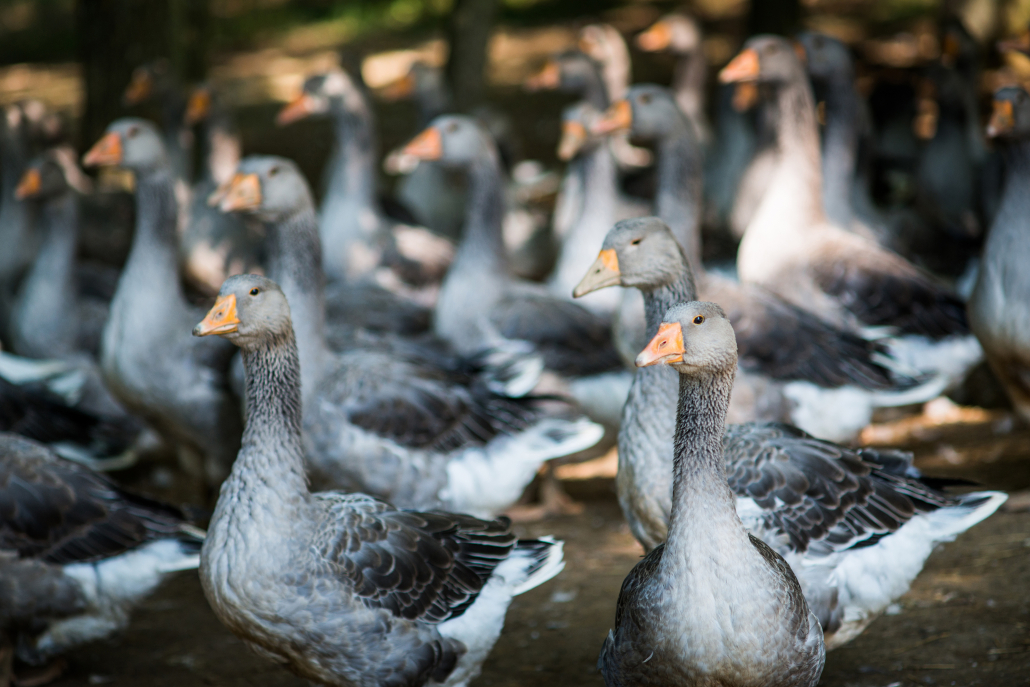
The traditional way to make foie gras requires force-feeding geese with corn so that their livers become enlarged with fat.
The liver for foie gras is around 10x larger than normal. [49]
This fatty liver is usually consumed as the delicacy known as pâté de foie gras. But it is also consumed fried and raw.
New York and California have banned force-feeding to enlarge the liver. [50] [51] But France still considers the practice an important part of their gastronomic culture and refuses to outlaw it. [52]
If you’re concerned about animal welfare but still want to enjoy foie gras, there are producers who are adopting methods that do not require force-feeding.
Easy Pan-Seared Goose Liver Recipe

The easiest way to prepare goose liver is with a simple pan sear.
Three ingredients and ten minutes of prep are all you’ll need to unlock the benefits of eating this ultra-nutritious food.
Ingredients:
- 3 tablespoons butter, tallow, or ghee
- 2 or more goose liver, foie gras, or standard
- fleur de sel or another high-quality salt
- (optional balsamic vinegar)
Directions:
- Heat a frying pan over medium-high heat–cast iron is best
- Add butter or other animal fat
- Gently lay the livers into the pan, shake immediately to keep from sticking
- sear each side for around 90 seconds.
- Baste livers with the hot butter for 30 seconds
- Remove from pan and sprinkle with salt
- (optional) Add a drizzle of balsamic
Recipe for Preparing Your Own Goose Liver Pate
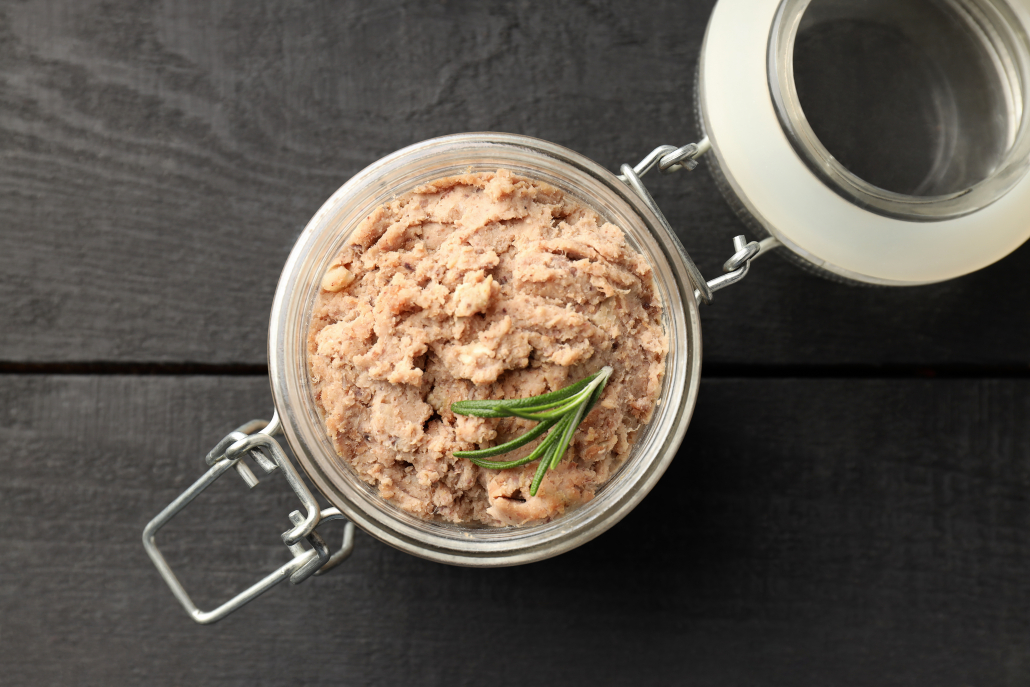
Goose liver pate is most often made from fatty foie gras, but you can also use standard duck and chicken liver.
This simple duck liver pâté recipe requires only 6 ingredients:
- ½ pound goose liver
- ½ cup butter, goose, or duck fat
- 1 tbsp parsley minced (optional, eliminate on carnivore)
- ½ teaspoon salt
- ¼ teaspoon ground black pepper
Instructions:
- Trim goose livers and remove any sinew or imperfections
- Melt a tablespoon of butter in a skillet over medium heat. Add shallots. Cook for 1-2 minutes
- Add goose liver to the pan
- Pan-fry each side until golden brown. 5-7 minutes total
- Add parsley in the last minute of cooking
- Remove from heat and let cool for 5 minutes
- Add to a food processor
- Add remaining butter or fat. Season with salt. Puree until smooth
- Pour into ramekin dishes or a container and chill for 4 hours, or overnight to set
Goose Liver: The Takeaway
Goose liver is an exceptionally nutrient-dense food.
A single serving of goose liver provides an array of hard-to-get and highly bioavailable nutrients, including vitamin A, numerous B vitamins, selenium, and iron.
Goose liver is also the food with the highest concentration of vitamin k2, which activates numerous other vitamins and proteins to provide their optimal benefits.
Foie Gras, the extra fatty version of goose liver, is one of nature’s richest sources of anti-inflammatory monounsaturated fatty acids.
The nutrients in goose liver work synergistically to provide various health benefits, including supporting a healthy heart, immune system, cognitive function, and fertility.
Article Sources
- 1. Maximal dose-response of vitamin-K2 (menaquinone-4) on undercarboxylated osteocalcin in women with osteoporosis
- 2. Osteocalcin: the vitamin K-dependent Ca2+-binding protein of bone matrix
- 3. The role of vitamin K in soft-tissue calcification
- 4. Coronary artery calcium score prediction of all cause mortality and cardiovascular events in people with type 2 diabetes: systematic review and meta-analysis
- 5. Coronary calcium as a predictor of coronary events in four racial or ethnic groups
- 6. https://pubmed.ncbi.nlm.nih.gov/14976978/
- 7. Dietary intake of menaquinone is associated with a reduced risk of coronary heart disease: the Rotterdam Study
- 8. A high menaquinone intake reduces the incidence of coronary heart disease
- 9. Vitamin K status and vascular calcification: evidence from observational and clinical studies
- 10. Vitamin K nutrition, metabolism, and requirements: current concepts and future research
- 11. Vitamin K deficiency is associated with incident knee osteoarthritis
- 12. Three-year low-dose menaquinone-7 supplementation helps decrease bone loss in healthy postmenopausal women
- 13. Vitamin K and the prevention of fractures: systematic review and meta-analysis of randomized controlled trials
- 14. The effect of menatetrenone, a vitamin K2 analog, on disease recurrence and survival in patients with hepatocellular carcinoma after curative treatment: a pilot study
- 15. Effect of menatetrenone, a vitamin k2 analog, on recurrence of hepatocellular carcinoma after surgical resection: a prospective randomized controlled trial
- 16. Dietary intake of vitamin K and risk of prostate cancer in the Heidelberg cohort of the European Prospective Investigation into Cancer and Nutrition (EPIC-Heidelberg)
- 17. Vitamin B12
- 18. Vitamin B12 Supplementation: Preventing Onset and Improving Prognosis of Depression
- 19. Genetic Associations with Plasma B12, B6, and Folate Levels in an Ischemic Stroke Population from the Vitamin Intervention for Stroke Prevention (VISP) Trial
- 20. The Impact of Homocysteine, Vitamin B12, and Vitamin D Levels on Functional Outcome after First-Ever Ischaemic Stroke
- 21. Vitamin B12 and Homocysteine Levels and 6-Year Change in Peripheral Nerve Function and Neurological Signs
- 22. Serum vitamin B12 and blood cell values in vegetarians
- 23. Update on vitamin B12 deficiency
- 24. B12 deficiency and psychiatric disorders: case report and literature review
- 25. Neuroenhancement with vitamin B12-underestimated neurological significance
- 26. Vitamin B12, folate, and Alzheimer's disease
- 27. The neurological syndrome of infantile cobalamin deficiency: developmental regression and involuntary movements
- 28. Absorption of Vitamin A and Carotenoids by the Enterocyte: Focus on Transport Proteins
- 29. Single nucleotide polymorphisms upstream from the β-carotene 15,15'-monoxygenase gene influence provitamin A conversion efficiency in female volunteers
- 30. Two common single nucleotide polymorphisms in the gene encoding beta-carotene 15,15'-monoxygenase alter beta-carotene metabolism in female volunteers
- 31. Vitamin A and Carotenoids
- 32. Vitamin A inhibits the action of LPS on the intestinal epithelial barrier function and tight junction proteins
- 33. Iron Status of Vegetarian Adults: A Review of Literature
- 34. Copper Fact Sheet for Health Professionals
- 35. Role of Zinc Homeostasis in the Pathogenesis of Diabetes and Obesity
- 36. Zinc as a Biomarker of Cardiovascular Health
- 37. Zinc and glycemic control: a meta-analysis of randomised placebo controlled supplementation trials in humans
- 38. Selenium Fact Sheet for Health Professionals
- 39. Selenium supplementation improves antioxidant capacity in vitro and in vivo in patients with coronary artery disease The SElenium Therapy in Coronary Artery disease Patients (SETCAP) Study
- 40. The effect of selenium supplementation on coronary heart disease: A systematic review and meta-analysis of randomized controlled trials
- 41, 42. Selenium Exposure and Cancer Risk: an Updated Meta-analysis and Meta-regression
- 43. Lower brain and blood nutrient status in Alzheimer's disease: Results from meta-analyses
- 44. Role of certain trace minerals in oxidative stress, inflammation, CD4/CD8 lymphocyte ratios and lung function in asthmatic patients
- 45. Impact of dietary fat on gut microbiota and low-grade systemic inflammation: mechanisms and clinical implications on obesity
- 46. Dietary Fats and Cardiovascular Disease: A Presidential Advisory From the American Heart Association
- 47. Saturated Fat: Part of a Healthy Diet
- 48. Evidence that supports the prescription of low-carbohydrate high-fat diets: a narrative review
- 49. The animal health and welfare consequences of foie gras production
- 50. Banning the sale or provision of certain force-fed poultry products.
- 51. SB-1520 Force fed birds
- 52. Item L654-27-1