
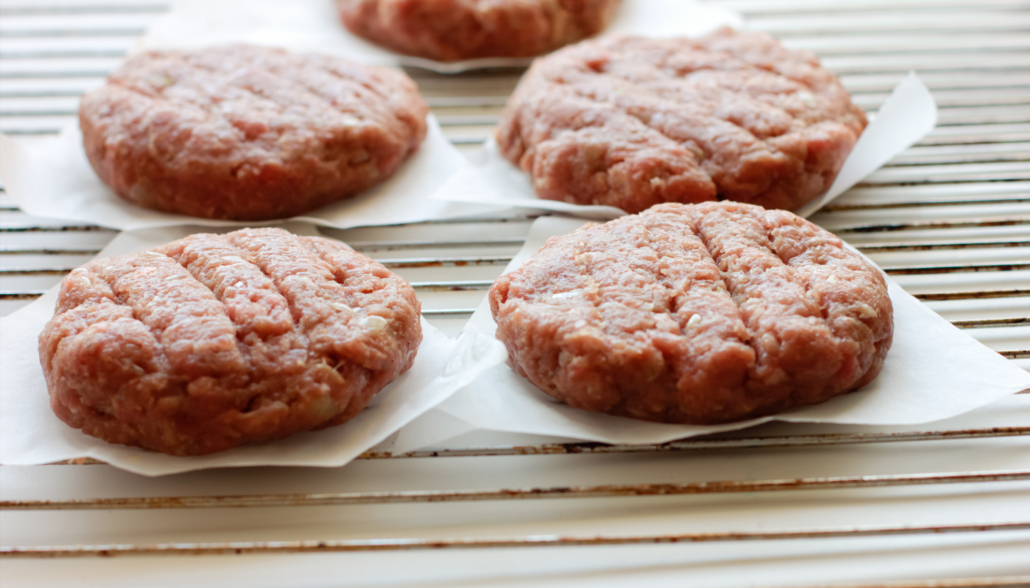
Impossible Burger vs. Beef Burger? Which is healthier?
On the one hand, The Impossible Burger claims to be “good for you and good for the planet.” It fits in with the “plant-based” movement that we’re told is healthy. Yet the Impossible Burger is ultra-processed, with parts of it grown in a lab from genetically modified organisms. Both of which we’re told are unhealthy.
Let alone the fact that there is no evidence that plant foods are actually more healthy than animal products. There’s also a growing body of evidence showing that plants actually contain various compounds, including plant toxins and antinutrients, that can harm us.
On the other hand, we have beef burger, which we’re told is unhealthy because it is red meat and contains saturated fat. Yet modern studies tell us that fresh red meat is, in fact, a remarkably healthy food that is not associated with an increased risk of any disease or disorder. Rather, eating meat is directly linked to significantly better mental health and is associated with increased longevity!
In this article, we’ll peel back the dogma and follow the science as we compare the Impossible Burger vs. Beef for your health.
What is the Impossible Burger?
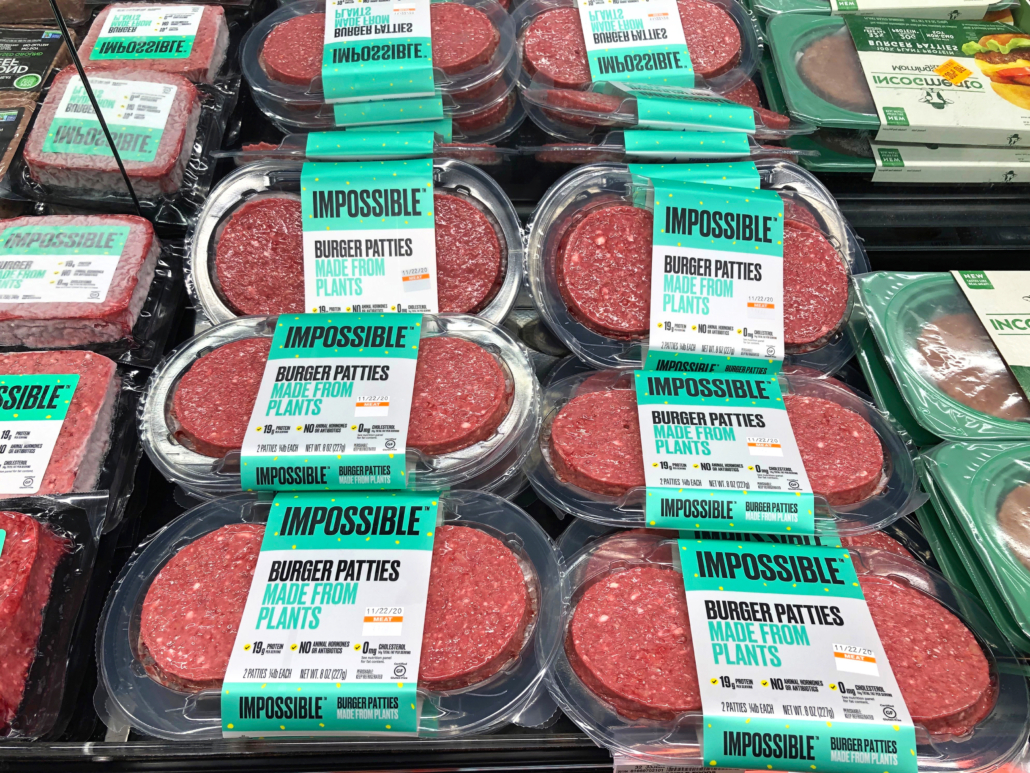
The Impossible Burger was launched in 2016 as a remarkably meaty meat substitute.
The proprietary ingredient that sets Impossible Burger apart from a run-of-the-mill veggie burger is called leghemoglobin.
Leghemoglobin is the waste product of genetically modified and fermented yeast. And it’s responsible for the umami meat-ish flavor, texture, and “bloodiness” of the Impossible Burger.

What is Beef Burger?
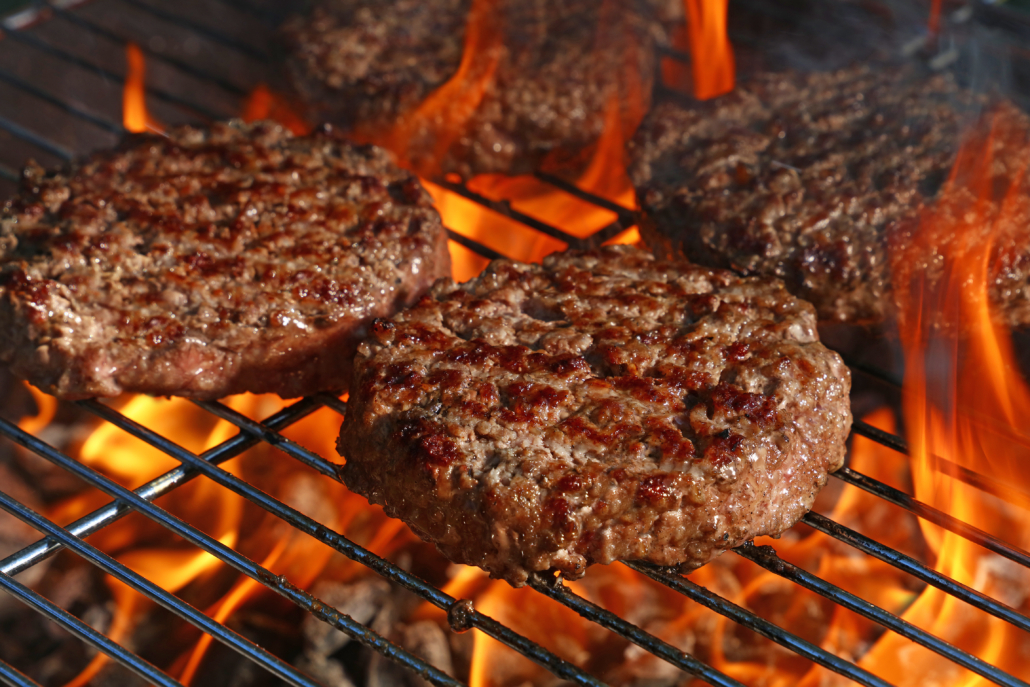
Ground beef is just that: ground-up steak from a cow. People have been mincing up meat from large ruminant animals for 2.5 million years.
In fact, it was our ancestors’ affinity for the meat of large, fatty land-roaming mammals that provided the perfect combination of healthy fats, digestible proteins, and essential vitamins that fueled the rapid growth of our brains and eventually set us far apart from our herbivorous primate ancestors. [1]
They weren’t flipping burgers back then, but the meat that made us human wasn’t far off.
Impossible Burger vs. Beef Burger: Ingredients
When comparing health benefits, we have to look at specific ingredients.
Beef burger is easy. There’s just a single ingredient.
Impossible Burger is a lot more complicated. [2]
- Water
- Soy Protein Concentrate
- Sunflower Oil
- Coconut Oil
- Natural Flavors
- Methylcellulose
- Cultured Dextrose
- Food Starch Modified
- Yeast Extract
- Soy Leghemoglobin
- Salt
- Mixed Tocopherols (Antioxidant)
- L-tryptophan
- Soy Protein Isolate
Added Vitamins and Minerals
- Zinc Gluconate
- Niacin
- Thiamine Hydrochloride (Vitamin B1)
- Pyridoxine Hydrochloride (Vitamin B6)
- Riboflavin (Vitamin B2)
- Vitamin B12
Now let’s turn to the stats on how these ingredients break down in terms of nutritional info.
Impossible Burger vs. Beef Burger Nutrition
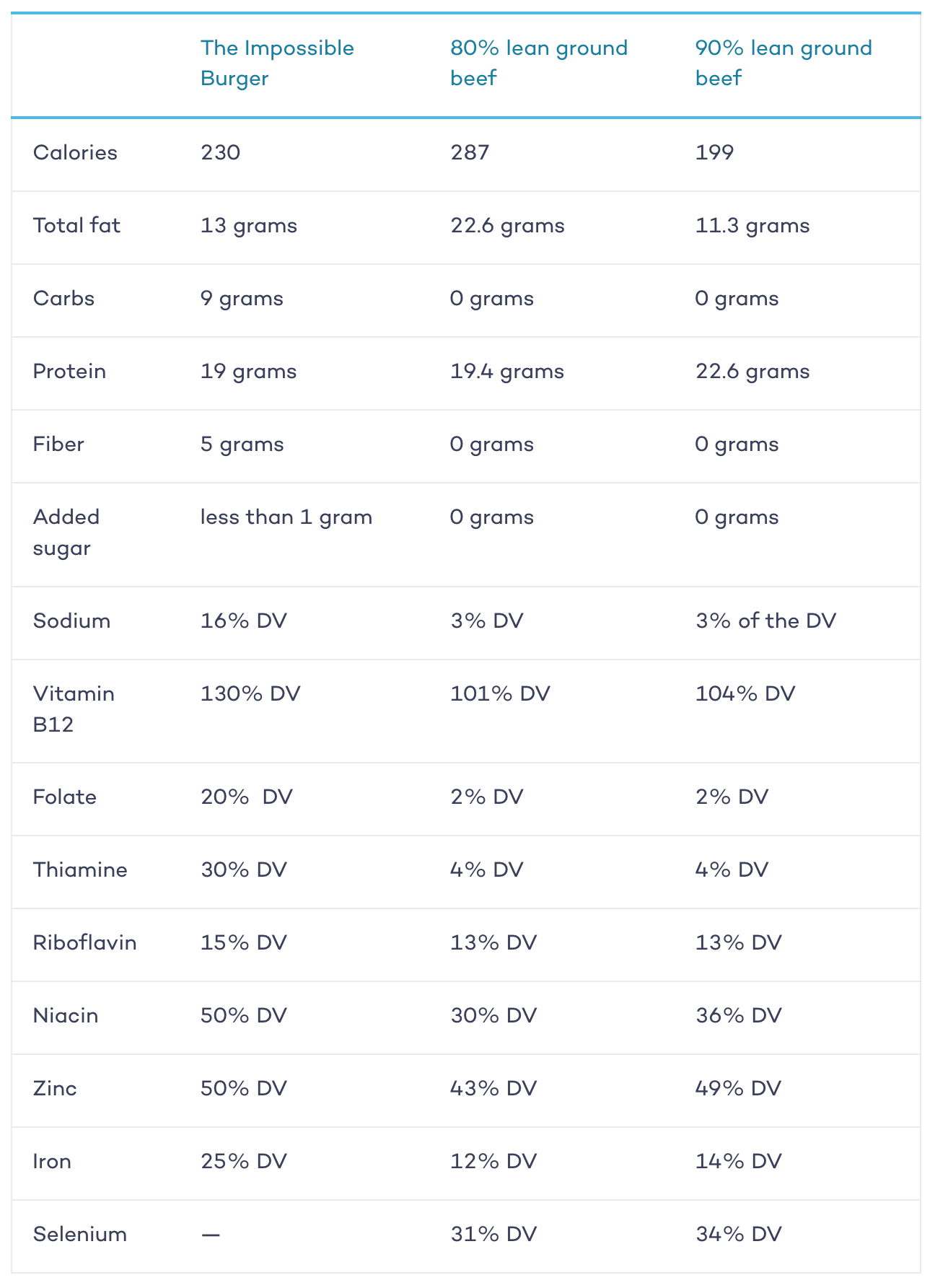
If you’re just looking at the nutrient breakdown, there isn’t a big nutritional gap between the Impossible burger vs. Beef burger.
However, the stats themselves don’t tell the whole story. It’s where these nutrients come from that matters.
Protein: Impossible vs. Beef Burger
Beef has a slight edge per weight when it comes to total protein content, with 22.6 grams in 90% lean beef burger, compared to 19 grams in Impossible Burger.
Other than water, beef is made primarily of protein.
Protein sourced from beef provides all nine essential amino acids that your body needs for growth and maintenance. [3]
The protein in the Impossible Burger primarily comes from a processed industrial product called Textured Soy Protein, or TSP. [4]
Soy is one of the only plant foods that can match beef in protein absorption and anabolic (muscle-building) benefits. [5]
However, TSP may exposure your body to harmful compounds that can result in various health issues, including:
- Digestive issues: Soy contains certain carbohydrates that humans do not possess the enzyme to digest unless it is soaked, fermented, or sprouted. [6]
- Allergens: Soy is one of the most allergenic foods on the market. Soy allergies can result in rashes, indigestion, bloating, and even life-threatening anaphylaxis. [7]
- Hormonal disruption— Soy contains various plant estrogens called phytohormones. Studies show that these compounds can disrupt human reproduction and interfere with physical development. [8] [9] [10]
- Genetically Modified Organisms (GMO): The soy protein in the Impossible Burger comes from GMO beans engineered to survive a highly toxic pesticide called Roundup, which contains glyphosate. Studies have found that GMO soy has dangerous concentrations of glyphosate residue. [11] [12] [13] [14]
- Pesticides: The WHO deems glyphosate “probably carcinogenic.” It has also been found to be inflammatory in the body that can damage the gut lining, leading to autoimmune diseases, tumors, and neurodegeneration. [15] [16]
The textured soy protein in the Impossible Burger is held together with a binding agent called Methylcellulose.
Methylcellulose is best known as a bulk-forming laxative called Citrucel.
Research on rats has found that methyl chloride, a component of the methylcellulose production process, causes kidney tumors, testicular lesions, and decreased sperm count. [17]
Side effects of methylcellulose include
- Excessive bowel activity
- Gas (flatulence)
- Fecal impaction
Unless you’re keen on consuming your protein bound by a laxative, you’re likely better off choosing a real, whole, natural beef burger.
Fat
The fat in the Impossible Burger vs. Beef burger is another area where they match up fairly in terms of numerical value.
But fat content is another area where numerical value can be misleading.
The fat in red meat is one of the most unfairly demonized nutrients on earth. Thankfully, modern, unbiased, high-quality research is setting the record straight.
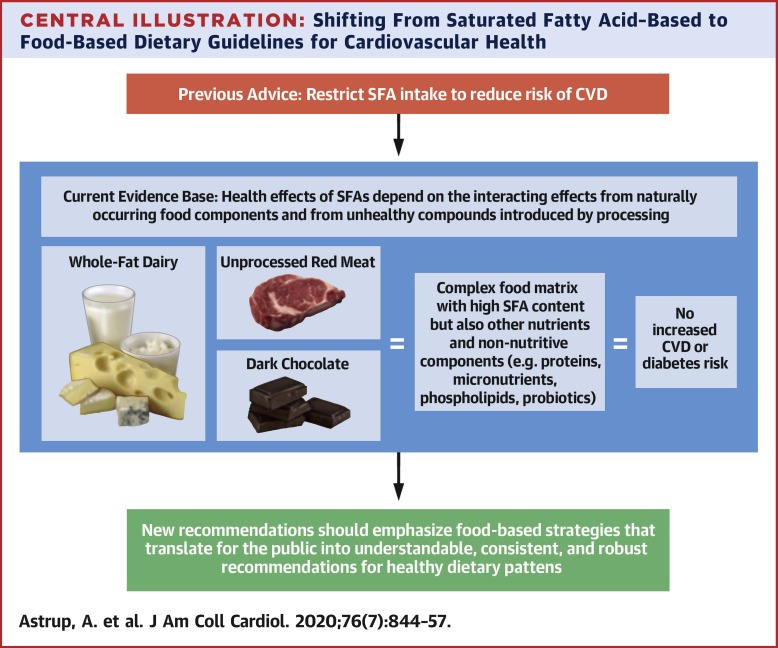
A Bellwether 2020 systematic review (the gold standard of research) published in the Journal of the American College of Cardiology and authored by more than a dozen researchers from the most respected medical schools around the world found that “although intake of processed meat has been associated with increased risk of CHD (coronary heart disease), intake of unprocessed red meat is not, which indicates that the saturated fat content of meat is unlikely to be responsible for this association.” They continue, “Whole-fat dairy, unprocessed meat, and dark chocolate are SFA-rich foods with a complex matrix (of nutrients) that are not associated with increased risk of CVD.
The totality of available evidence does not support further limiting the intake of such foods.” [18]
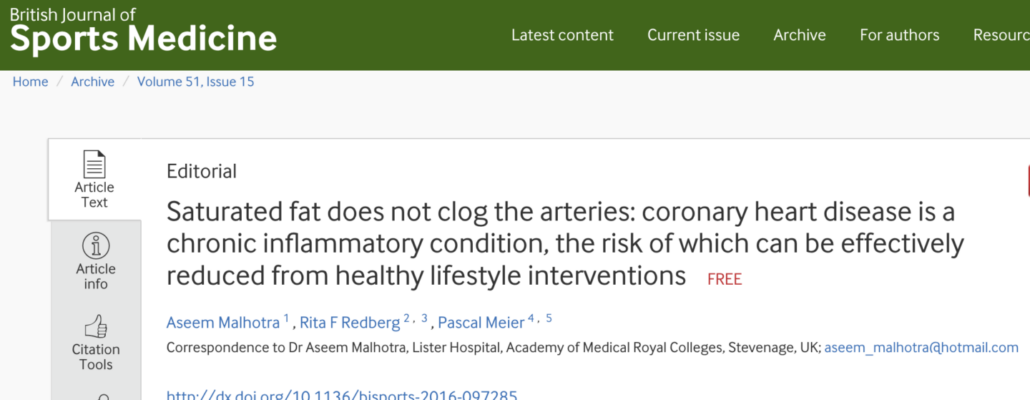
A 2017 study published in the British Journal of Sports Medicine didn’t bury the lead. The study’s findings are stated in the title, “Saturated Fat does not clog arteries: coronary heart disease is a chronic inflammatory condition, the risk of which can be effectively reduced from healthy lifestyle interventions.” [19]
In fact, data on eating habits across the European continent found that the more animal fats populations consume, the less heart disease they suffer. [20]

In 2019, the preponderance of evidence from dozens of studies compelled 19 British Medicine Journal editorial reviewers to call for a retraction on WHO guidelines for reducing saturated fat. [21]
Stearic Acid and Monounsaturated Fat
Beef burgers also contain explicitly beneficial fatty acids, including stearic acid and monounsaturated fatty acid.
Stearic acid is one of the most prevalent fatty acids in beef. It is associated with improved body fat, improved mitochondrial function, and weight loss. [22]
Approximately ⅓ of the fat in beef is monounsaturated fat. This fatty acid has been shown to provide anti-inflammatory properties, reduce bad cholesterol, and increase good cholesterol, and may reduce the risk of heart disease. [23] [24] [25] [26] [27] [28]
Coconut and Sunflower Oil
Despite the research showing that saturated fat–at least when consumed as part of whole foods–is not unhealthy, Impossible Burger caved to the dogma and added sunflower oil in order to reduce SFA content.
The original Impossible burger was made with coconut oil. Though high in saturated fat, coconut oil has been the cornerstone of traditional cultures that have remarkably low incidences of heart disease. [29]
Sunflower oil, on the other hand, is high in highly inflammatory polyunsaturated fatty acids (PUFAs).
Studies have found that though replacing SFAs with PUFAs can lower cholesterol, it results in a significantly increased risk of death by heart attack and all-cause mortality.
One major study found that heart attack risk increased by 22% for every 30mg/dl that cholesterol dropped.” [30]
Meanwhile, the major study known as the Sydney Heart Health Study found that the group that replaced saturated fat with vegetable oils lowered cholesterol but had a 62% higher death rate!
Ironically, this study was undertaken to prove that cutting SFAs was beneficial.
When evidence of lifestyle risk factors is compared, consuming vegetable oil comes in at number 3, behind only morbid obesity and heavy smoking. [31]
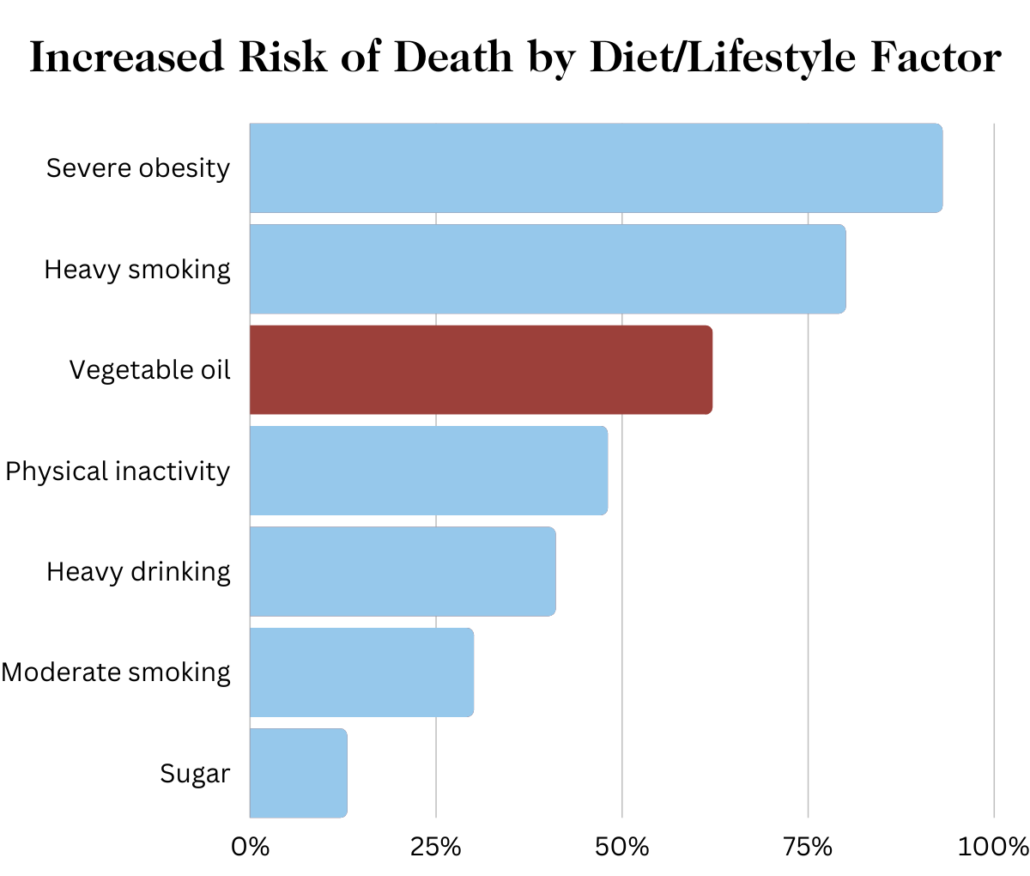
“↑” = “Increased consumption of”; Severe obesity: BMI 35–40 [a]; Heavy smoking: ≥10 cigarettes/day (avg 21.97 or ~1 pack) [b, c]; Vegetable oil: Increase consumption by 12% of calories [d]; Physical inactivity: <2 times/week [e]; Heavy drinking: >14 drinks/week for men or >7 drinks/week for women [f, g, h]; Moderate smoking: <10 cigarettes/day [i] Sugar: ≥73.2g sugar/day for women or ≥79.7g sugar/day for men [j]; Air pollution: per 10 μg/m3 long-term exposure to PM 2.5 [n, o]
Vitamins and Minerals: Impossible Burger vs. Beef Burger
The vitamins and minerals in Impossible Burger are similar to and slightly surpass those of beef burger in some individual nutrients.
However, this isn’t necessarily a good thing. The vitamins and minerals in Impossible Burger are synthetic.
The vitamins and minerals in beef burger are naturally produced and come perfectly packaged alongside co-factors and enzymes that allow for optimal absorption and use by your body.
Numerous studies show that without this “natural” packaging in whole foods, synthetic nutrients are so much less bioavailable as to be essentially useless. [32] [33] [34] [35] [36] [37] [38]
While other studies link synthetic multivitamins to an increased risk of cancer. [39] [40] [41] [42]
With regards to vitamins and minerals in Impossible Burger vs. Beef, real, whole food meat wins out hands down.
Impossible Burger vs. Beef Burger: Longevity
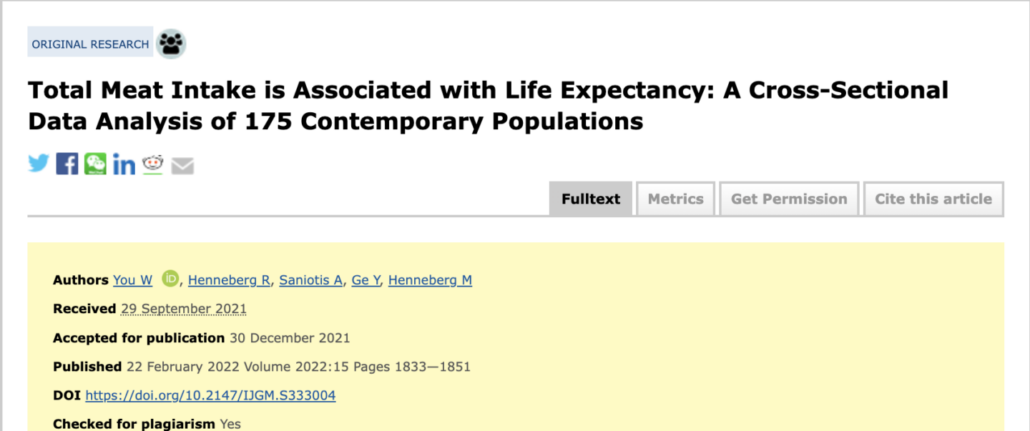
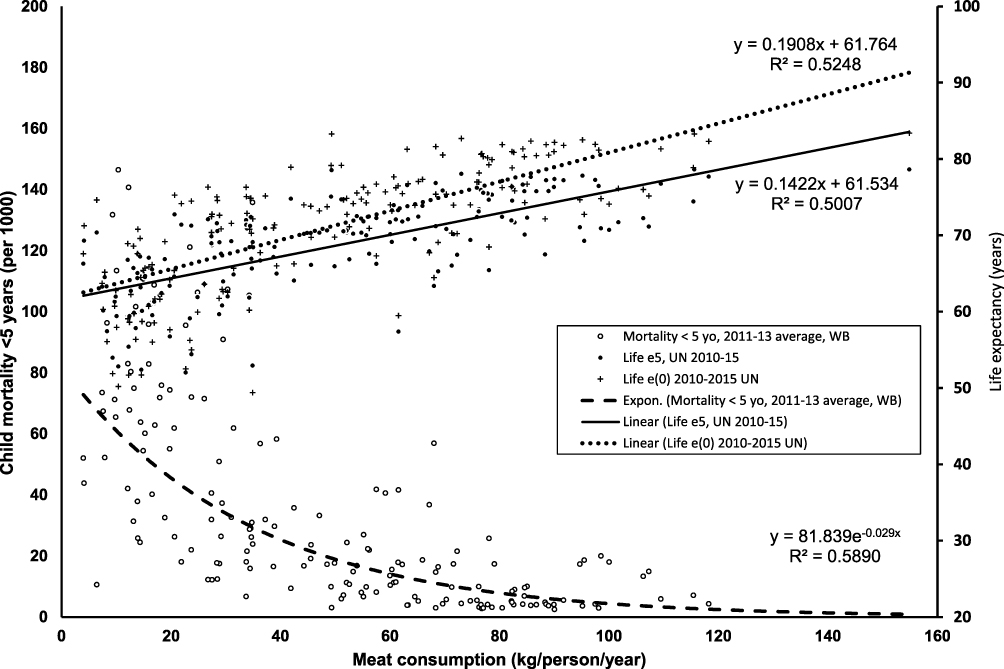
Though there is no head-to-head study comparing the Impossible burger vs. Beef regarding longevity, we know that consuming more meat is strongly associated with longer life expectancy.
No doubt, the quality and availability of vitamins and minerals from meat has much to do with this.
A 2021 study found that the life-extending benefits of consuming meat were independent of the effects of economic status, urban advantages, obesity, and total caloric intake.
Impossible Burger vs. Beef Burger: Environment?

Despite the clear nutritional advantages of beef over Impossible Burger, many people may choose Impossible Burger for its purported environmental benefits.
But mono-crop agriculture of GMO foods blasted with carcinogenic pesticides is anything but environmentally friendly.

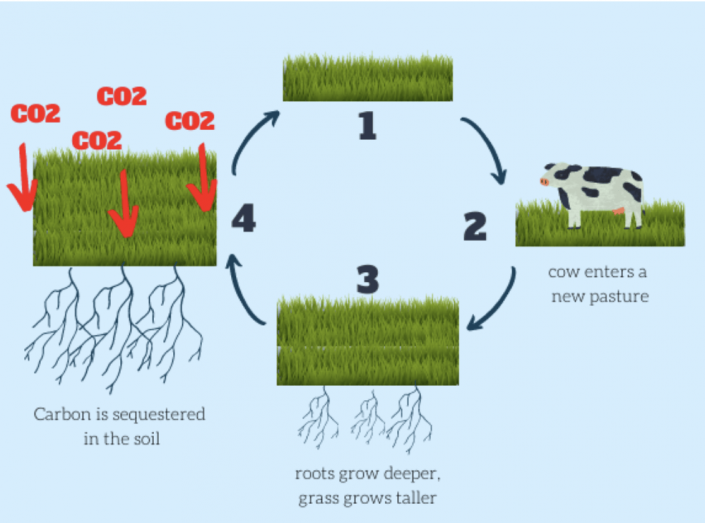
Yes, conventionally raised beef is an issue, but if you’re truly motivated to support the environment with your food choices, sourcing regeneratively farmed beef is by far the more beneficial choice.
Regeneratively farmed beef actually takes carbon out of the air and puts it back into the soil where it belongs. It also creates natural fertilizer and conserves our precious topsoil.
Consider that current industrial agricultural practices, like those that produce the GMO soy in Impossible Burger, are on track to be fully depleted within 60 years. [43] [44]
Is Impossible Burger vs. Beef Burger: The Bottom Line
When considering the scientific evidence regarding the health benefits and drawbacks of the Impossible Burger vs. Beef burger, it is clear that beef burger provides far more beneficial nutrients, no harmful ingredients, and can be produced in ways that actually improve the environment.
The Impossible Burger, on the other hand, is an ultra-processed food made from ingredients like GMO soy, methylcellulose (a pharmaceutical laxative), vegetable oils, and synthetic vitamins and minerals, all of which are linked to numerous health problems, including cancer, digestive issues, allergies, and autoimmune disorders.
The bottom line is that beef is a healthy whole food loaded with essential nutrients in its most beneficial format. The Impossible Burger is a highly processed industrial product with limited nutritional benefits and many potentially harmful side effects.
Article Sources
- 1. Leonard WR, Snodgrass JJ, Robertson ML. Evolutionary Perspectives on Fat Ingestion and Metabolism in Humans. In: Montmayeur JP, le Coutre J, editors. Fat Detection: Taste, Texture, and Post Ingestive Effects. Boca Raton (FL): CRC Press/Taylor & Francis; 20
- 2. WHAT ARE THE INGREDIENTS IN IMPOSSIBLE™ BEEF MADE FROM PLANTS?
- 3. Red meat in the diet: an update
- 4. TEXTURED SOY PROTEIN COMMODITY FACT SHEET
- 5. Trahair LG, Horowitz M, Jones KL. Postprandial hypotension: a systematic review. J Am Med Dir Assoc. 2014 Jun;15(6):394-409. doi: 10.1016/j.jamda.2014.01.011. Epub 2014 Mar 13. PMID: 24630686.
- 6. Belobrajdic DP, James-Martin G, Jones D, Tran CD. Soy and Gastrointestinal Health: A Review. Nutrients. 2023; 15(8):1959. https://doi.org/10.3390/nu15081959
- 7. Katz Y, Gutierrez-Castrellon P, González MG, Rivas R, Lee BW, Alarcon P. A comprehensive review of sensitization and allergy to soy-based products. Clin Rev Allergy Immunol. 2014 Jun;46(3):272-81. doi: 10.1007/s12016-013-8404-9. PMID: 24425446.
- 8. Jefferson WN, Padilla-Banks E, Newbold RR. Disruption of the developing female reproductive system by phytoestrogens: genistein as an example. Mol Nutr Food Res. 2007 Jul;51(7):832-44. doi: 10.1002/mnfr.200600258. PMID: 17604387.
- 9. Wendy N. Jefferson, Elizabeth Padilla-Banks, Retha R. Newbold, Adverse Effects on Female Development and Reproduction in CD-1 Mice Following Neonatal Exposure to the Phytoestrogen Genistein at Environmentally Relevant Doses, Biology of Reproduction, Volume
- 10. Chavarro JE, Toth TL, Sadio SM, Hauser R. Soy food and isoflavone intake in relation to semen quality parameters among men from an infertility clinic. Hum Reprod. 2008 Nov;23(11):2584-90. doi: 10.1093/humrep/den243. Epub 2008 Jul 23. PMID: 18650557; PMCID:
- 11, 15. Tajik, N., Frech, M., Schulz, O. et al. Targeting zonulin and intestinal epithelial barrier function to prevent onset of arthritis. Nat Commun 11, 1995 (2020). https://doi.org/10.1038/s41467-020-15831-7
- 12. Bøhn T, Millstone E. The Introduction of Thousands of Tonnes of Glyphosate in the food Chain-An Evaluation of Glyphosate Tolerant Soybeans. Foods. 2019 Dec 11;8(12):669. doi: 10.3390/foods8120669. PMID: 31835834; PMCID: PMC6963490.
- 13. T. Bøhn, M. Cuhra, T. Traavik, M. Sanden, J. Fagan, R. Primicerio, Compositional differences in soybeans on the market: Glyphosate accumulates in Roundup Ready GM soybeans, Food Chemistry, Volume 153, 2014, Pages 207-215, ISSN 0308-8146, https://doi.org/10
- 14. Perry ED, Ciliberto F, Hennessy DA, Moschini G. Genetically engineered crops and pesticide use in U.S. maize and soybeans. Sci Adv. 2016 Aug 31;2(8):e1600850. doi: 10.1126/sciadv.1600850. PMID: 27652335; PMCID: PMC5020710.
- 16. Fasano A. Zonulin, regulation of tight junctions, and autoimmune diseases. Ann N Y Acad Sci. 2012 Jul;1258(1):25-33. doi: 10.1111/j.1749-6632.2012.06538.x. PMID: 22731712; PMCID: PMC3384703.
- 17. Methyl Chloride (Chloromethane)
- 18. Arne Astrup, Faidon Magkos, Dennis M. Bier, J. Thomas Brenna, Marcia C. de Oliveira Otto, James O. Hill, Janet C. King, Andrew Mente, Jose M. Ordovas, Jeff S. Volek, Salim Yusuf, Ronald M. Krauss, Saturated Fats and Health: A Reassessment and Proposal for
- 19. Malhotra A, Redberg RF, Meier PSaturated fat does not clog the arteries: coronary heart disease is a chronic inflammatory condition, the risk of which can be effectively reduced from healthy lifestyle interventionsBritish Journal of Sports Medicine 2017;51
- 20. Hoenselaar R. Further response from Hoenselaar. British Journal of Nutrition. 2012;108(5):939-942. doi:10.1017/S0007114512000402
- 21. Astrup A, Bertram H C, Bonjour J, de Groot L C, de Oliveira Otto M C, Feeney E L et al. WHO draft guidelines on dietary saturated and trans fatty acids: time for a new approach? BMJ 2019; 366 :l4137 doi:10.1136/bmj.l4137
- 22. Senyilmaz-Tiebe D, Pfaff DH, Virtue S, Schwarz KV, Fleming T, Altamura S, Muckenthaler MU, Okun JG, Vidal-Puig A, Nawroth P, Teleman AA. Dietary stearic acid regulates mitochondria in vivo in humans. Nat Commun. 2018 Aug 7;9(1):3129. doi: 10.1038/s41467-01
- 23. Cândido FG, Valente FX, Grześkowiak ŁM, Moreira APB, Rocha DMUP, Alfenas RCG. Impact of dietary fat on gut microbiota and low-grade systemic inflammation: mechanisms and clinical implications on obesity. Int J Food Sci Nutr. 2018 Mar;69(2):125-143. doi: 10
- 24. Sacks FM, Lichtenstein AH, Wu JHY, Appel LJ, Creager MA, Kris-Etherton PM, Miller M, Rimm EB, Rudel LL, Robinson JG, Stone NJ, Van Horn LV; American Heart Association. Dietary Fats and Cardiovascular Disease: A Presidential Advisory From the American Heart
- 25. Wang DD, Li Y, Chiuve SE, Stampfer MJ, Manson JE, Rimm EB, Willett WC, Hu FB. Association of Specific Dietary Fats With Total and Cause-Specific Mortality. JAMA Intern Med. 2016 Aug 1;176(8):1134-45. doi: 10.1001/jamainternmed.2016.2417. PMID: 27379574; PM
- 26. Mata P, Garrido JA, Ordovas JM, Blazquez E, Alvarez-Sala LA, Rubio MJ, Alonso R, de Oya M. Effect of dietary monounsaturated fatty acids on plasma lipoproteins and apolipoproteins in women. Am J Clin Nutr. 1992 Jul;56(1):77-83. doi: 10.1093/ajcn/56.1.77. P
- 27. Pelkman CL, Fishell VK, Maddox DH, Pearson TA, Mauger DT, Kris-Etherton PM. Effects of moderate-fat (from monounsaturated fat) and low-fat weight-loss diets on the serum lipid profile in overweight and obese men and women. Am J Clin Nutr. 2004 Feb;79(2):20
- 28. Williams CM, Francis-Knapper JA, Webb D, Brookes CA, Zampelas A, Tredger JA, Wright J, Meijer G, Calder PC, Yaqoob P, Roche H, Gibney MJ. Cholesterol reduction using manufactured foods high in monounsaturated fatty acids: a randomized crossover study. Br J
- 29. Prior IA, Davidson F, Salmond CE, Czochanska Z. Cholesterol, coconuts, and diet on Polynesian atolls: a natural experiment: the Pukapuka and Tokelau island studies. Am J Clin Nutr. 1981 Aug;34(8):1552-61. doi: 10.1093/ajcn/34.8.1552. PMID: 7270479.
- 30. Ramsden C E, Zamora D, Majchrzak-Hong S, Faurot K R, Broste S K, Frantz R P et al. Re-evaluation of the traditional diet-heart hypothesis: analysis of recovered data from Minnesota Coronary Experiment (1968-73) BMJ 2016; 353 :i1246 doi:10.1136/bmj.i1246
- 31. Ramsden C E, Zamora D, Leelarthaepin B, Majchrzak-Hong S F, Faurot K R, Suchindran C M et al. Use of dietary linoleic acid for secondary prevention of coronary heart disease and death: evaluation of recovered data from the Sydney Diet Heart Study and updat
- 32. Liu RH. Health benefits of fruit and vegetables are from additive and synergistic combinations of phytochemicals. Am J Clin Nutr. 2003 Sep;78(3 Suppl):517S-520S. doi: 10.1093/ajcn/78.3.517S. PMID: 12936943.
- 33. Bailey RL, Fakhouri TH, Park Y, Dwyer JT, Thomas PR, Gahche JJ, Miller PE, Dodd KW, Sempos CT, Murray DM. Multivitamin-mineral use is associated with reduced risk of cardiovascular disease mortality among women in the United States. J Nutr. 2015 Mar;145(3)
- 34, 40. Neuhouser ML, Wassertheil-Smoller S, Thomson C, Aragaki A, Anderson GL, Manson JE, Patterson RE, Rohan TE, van Horn L, Shikany JM, Thomas A, LaCroix A, Prentice RL. Multivitamin use and risk of cancer and cardiovascular disease in the Women's Health Initia
- 35. Rautiainen S, Akesson A, Levitan EB, Morgenstern R, Mittleman MA, Wolk A. Multivitamin use and the risk of myocardial infarction: a population-based cohort of Swedish women. Am J Clin Nutr. 2010 Nov;92(5):1251-6. doi: 10.3945/ajcn.2010.29371. Epub 2010 Sep
- 36. Sesso HD, Christen WG, Bubes V, Smith JP, MacFadyen J, Schvartz M, Manson JE, Glynn RJ, Buring JE, Gaziano JM. Multivitamins in the prevention of cardiovascular disease in men: the Physicians' Health Study II randomized controlled trial. JAMA. 2012 Nov 7;3
- 37. Huang HY, Caballero B, Chang S, Alberg AJ, Semba RD, Schneyer CR, Wilson RF, Cheng TY, Vassy J, Prokopowicz G, Barnes GJ 2nd, Bass EB. The efficacy and safety of multivitamin and mineral supplement use to prevent cancer and chronic disease in adults: a sys
- 38. Fortmann SP, Burda BU, Senger CA, et al. Vitamin and mineral supplements in the primary prevention of cardiovascular disease and cancer: an updated systematic evidence review for the US Preventive Services Task Force. 2013. In: Database of Abstracts of Rev
- 39. Watkins ML, Erickson JD, Thun MJ, Mulinare J, Heath CW Jr. Multivitamin use and mortality in a large prospective study. Am J Epidemiol. 2000 Jul 15;152(2):149-62. doi: 10.1093/aje/152.2.149. PMID: 10909952.
- 41. Park SY, Murphy SP, Wilkens LR, Henderson BE, Kolonel LN. Multivitamin use and the risk of mortality and cancer incidence: the multiethnic cohort study. Am J Epidemiol. 2011 Apr 15;173(8):906-14. doi: 10.1093/aje/kwq447. Epub 2011 Feb 22. PMID: 21343248; P
- 42. Mursu J, Robien K, Harnack LJ, Park K, Jacobs DR Jr. Dietary supplements and mortality rate in older women: the Iowa Women's Health Study. Arch Intern Med. 2011 Oct 10;171(18):1625-33. doi: 10.1001/archinternmed.2011.445. PMID: 21987192; PMCID: PMC4114071.
- 43. Only 60 Years of Farming Left If Soil Degradation Continues
- 44. Could Beef Be Good For People and The Planet? Regenerative, Grass-Fed Beef May Offer A Solution To Our Health, Climate Crisis