
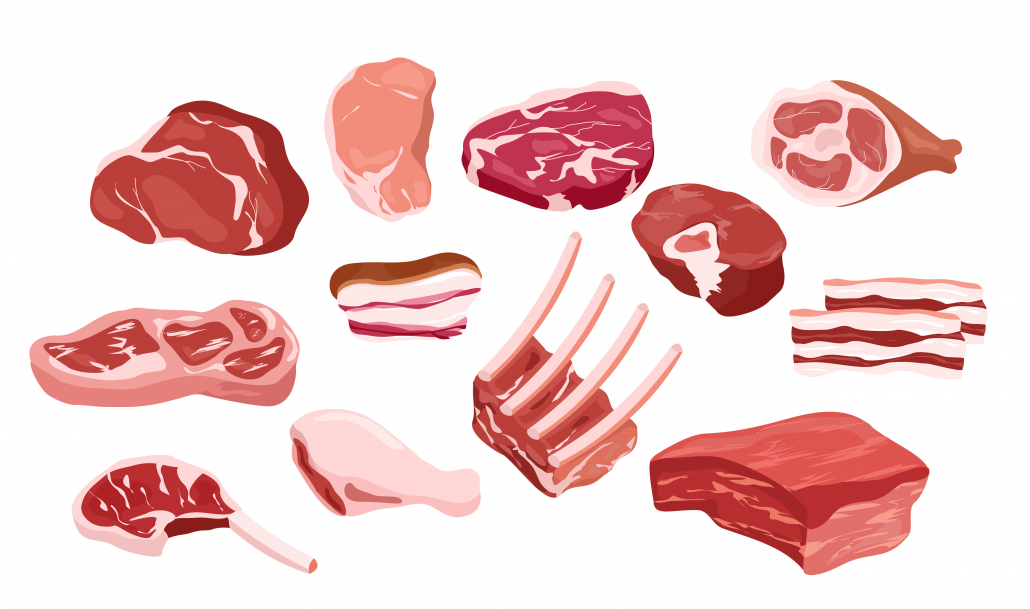
Is lamb red meat? Yes, lamb is considered red meat because it contains myoglobin. Myoglobin is a protein that binds to iron, giving meat its red color.
Red meats high in myoglobin include lamb, beef, veal, pork, bison, and venison.
If you’re wondering if lamb is red meat, you probably have some preconceptions about whether or not red meat is healthy.
In this article, we’ll explore why it’s a good thing that lamb is red meat, and not a bad thing.
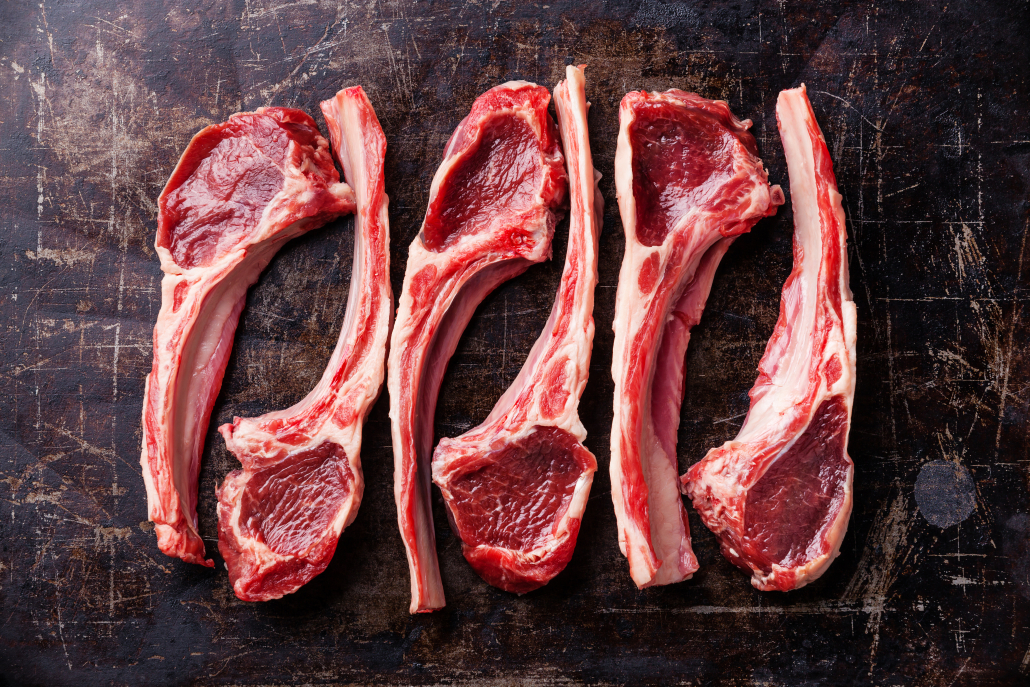
Lamb is a Healthy Red Meat
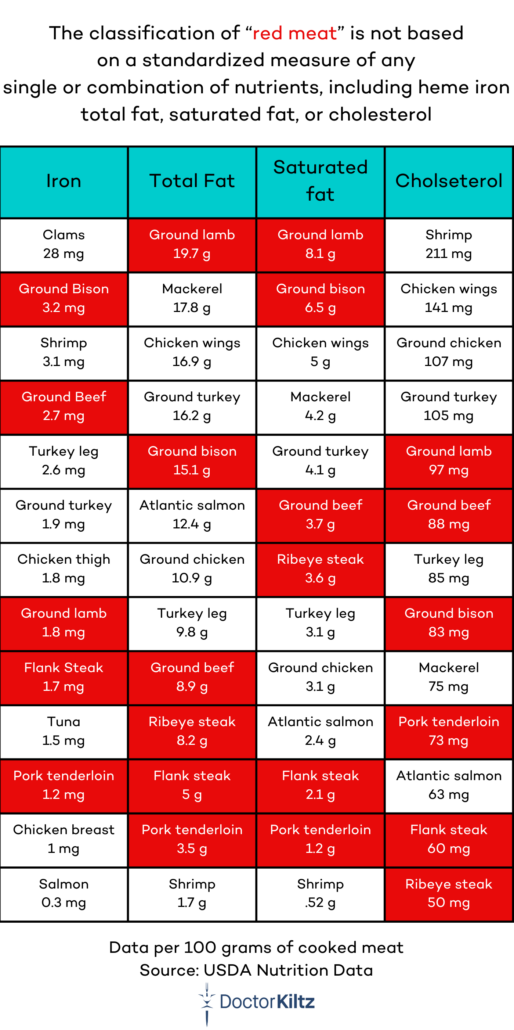
Since the 1950s, red meat has been incorrectly maligned as an unhealthy food by some mainstream nutritional institutions.
The reasons for the demonization of red meat have been both personal and political, but in no instance have they been scientific.
Numerous studies have assessed for red meat as a cause of heart disease and colorectal cancer. After decades of both low and high-quality research, there is exactly zero scientific evidence that meat causes heart disease or cancer.
Let’s take a brief look at the findings of some of the major studies before turning to the benefits of lamb.
Saturated Fat is Not Bad for You
In the 1950s red meat was first targeted because it is the premier source of saturated animal fats.
Nutritionists used to believe the false idea that consuming saturated fat increased your risk of heart disease.
This idea was first promoted by Ansel Keys, a charismatic and forceful personality who built his reputation on staking and defending this position. He even made the cover of TIME magazine for it.
It has taken decades to undo the faulty messaging of Ancel Keys.
Thankfully there are numerous modern studies that include data from millions of participants showing that for the average person, saturated fat is not associated with heart disease, cancer, stroke, diabetes, and death from heart attack. [1] [2] [3] [4] [5]
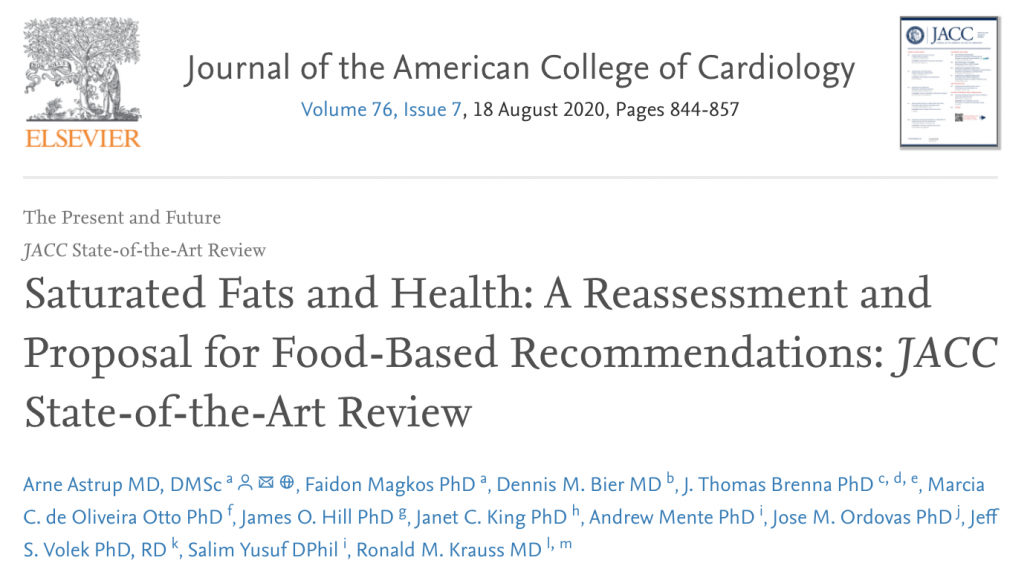
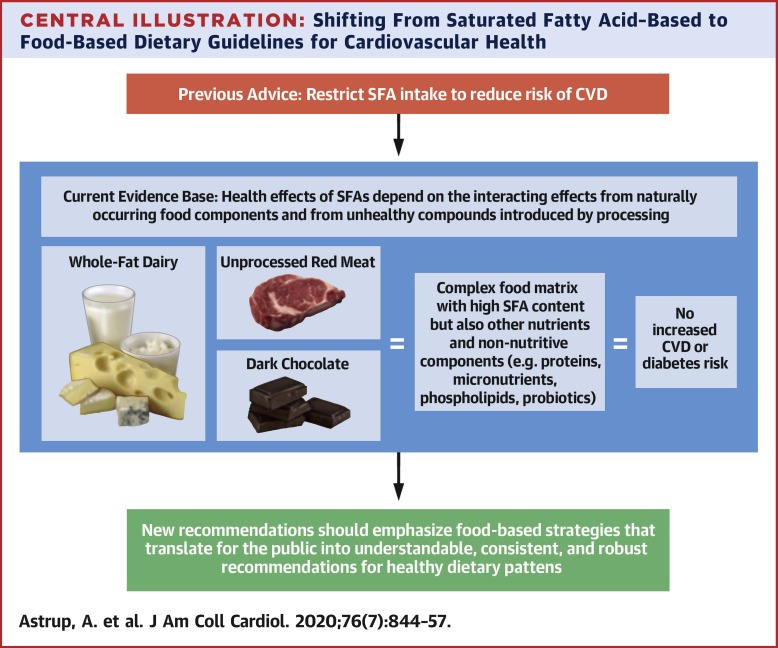
This 2020 study co-authored by a community of researchers from leading medical schools across the globe found that intake of unprocessed red meat is not associated with heart disease, “indicating that saturated fat content of meat is unlikely to be responsible for this association.” [6]
The researchers conclude that “Whole-fat dairy, unprocessed meat, and dark chocolate are SFA-rich foods with a complex matrix (of nutrients) that are not associated with an increased risk of CVD. The totality of available evidence does not support further limiting the intake of such foods.”
Red Meat Does Not Cause Cancer
There have been numerous studies attempting to link red meat with cancer, especially colorectal cancer.
Yet none of these studies show a causal link, and out of hundreds of studies, only a few show a very weak positive correlation with processed but not fresh red meat.
You can see the findings from numerous studies on the questions of red meat and cancer here.
To date, the most comprehensive review assessing the evidence for and against the link between red meat and cancer is the 2019 NutriRECS study.
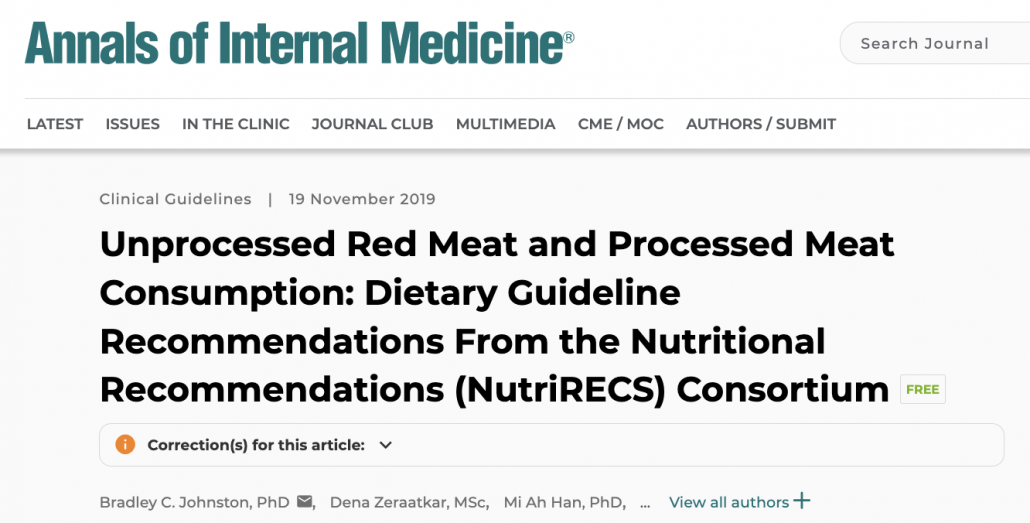
The purpose of the study is as follows:
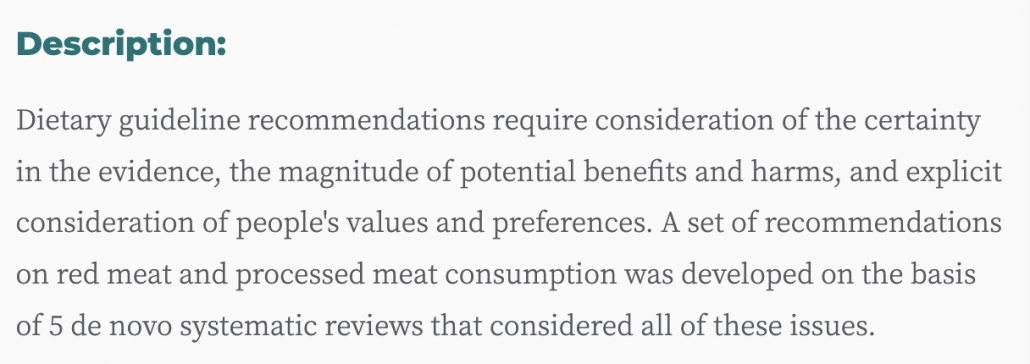
The researchers concluded that the recommendations against limiting meat consumption are based on low-quality observational studies–which can only make associations that point to areas for further controlled studies. [7]
They cannot affirm causality, should only be used to suggest areas of further research, and are not meant to be used as a basis for dietary recommendations.
Furthermore, organizations like the WHO that use observational studies for their recommendations do not issue rigorous reviews of the studies.
The NutriRECS study stepped in to be the rigorous review that was missing. So what did it find from looking at the data from 48 studies that included over 5.7 million participants?
- Reducing fresh (unprocessed) red meat had no statistically significant impact on incidences of prostate cancer mortality and the incidence of overall, breast, colorectal, esophageal, gastric, pancreatic, and prostate cancer.
- “low-to very low-certainty of evidence that reducing intake of processed meat was associated with a very small absolute risk reduction in overall lifetime cancer mortality; prostate cancer mortality; and the incidence of esophageal, colorectal, and breast cancer (range, 1 fewer to 8 fewer events per 1000 persons with a decrease of 3 servings/wk), with no statistically significant differences in incidence or mortality for 12 additional cancer outcomes (colorectal, gastric, and pancreatic cancer mortality; overall, endometrial, gastric, hepatic, small intestinal, oral, ovarian, pancreatic, and prostate cancer incidence)”
- Final Recommendations: Contrary to the WHO, the researchers recommend continuing to eat both fresh red meat and processed meats.
Though there are many other major studies with near identical findings, the 2018 study below comparing the incidence of colorectal cancer between vegetarians and red meat eaters is worth highlighting.
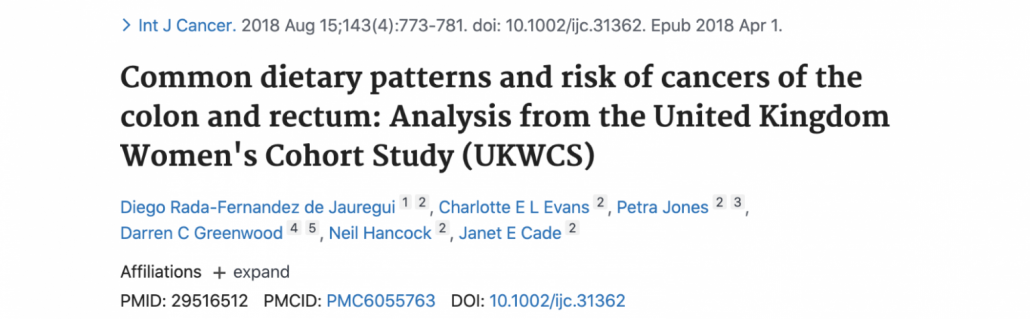
Not surprisingly, it found no difference in colorectal cancer rates between vegetarian and red meat eaters. [8]
If red meat were a carcinogen, you would expect that not eating meat would have some comparative effect on cancer rates.

Lamb Provides Healthy Red Meat Fats
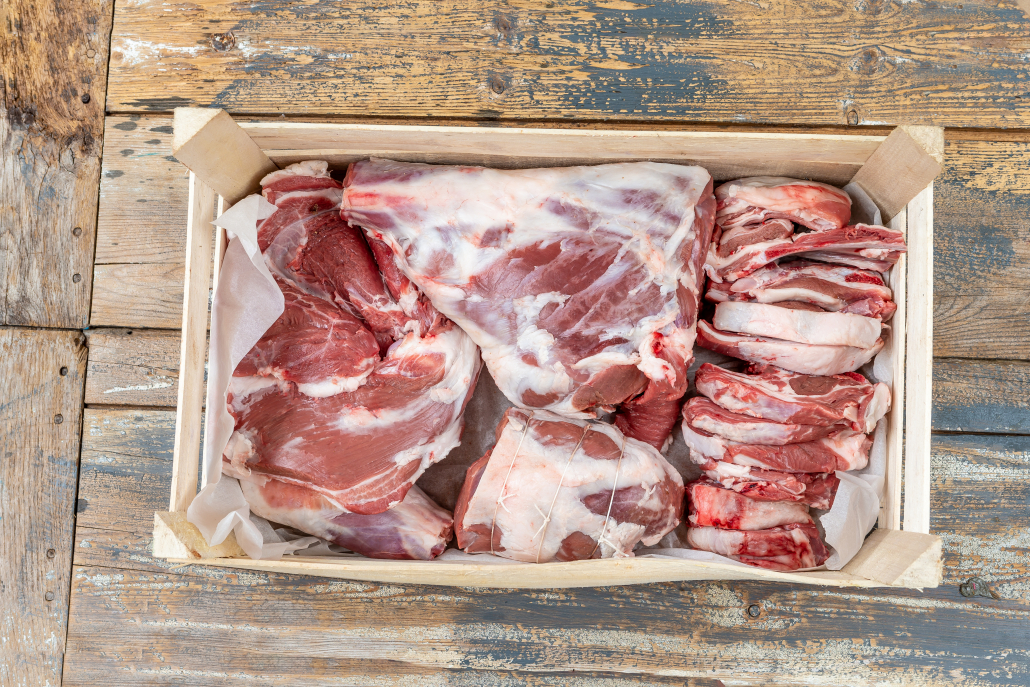
Not only are the fats in red meat like lamb not bad for you, they actually offer numerous powerful health benefits.
Furthermore, following the outdated recommendations to replace animal fat with vegetable oil is likely the most deadly public health recommendation in history.
Numerous studies show that consuming vegetable oil is behind the modern epidemic of inflammatory diseases, including heart, disease, type 2 diabetes, and numerous cancers.
Read more about why vegetable oil is bad for you, here.
Lamb is a fantastic red meat source of saturated and monounsaturated fats, along with specialized beneficial fatty acids, including omega-3s and conjugated linoleic acid (CLA).
Let’s look at how the fat in lamb can benefit your health:
- monounsaturated fat has potent anti-inflammatory properties that studies have shown to reduce the risk of heart disease [9] [10]
- Your body requires a balance of saturated and unsaturated fats to create and maintain your cell membranes [11]
- Conjugated linoleic acid (CLA) has been shown to support immune function, strengthen bones, support heart health, improve excess fat loss, and significantly reduce the risk of various cancers [12] [13] [14] [15]
- Meat from lamb provides around 500mcg per 100 grams of anti-inflammatory omega-3 fatty acids. These levels are similar to levels of as some fish prized for their omega-3. Omega-3s play an important role in numerous physiological functions like male and female fertility and form the basis of hormones that regulate blood clotting and the health of your arterial walls [16]
Lamb Provides Powerful Red Meat Nutrients
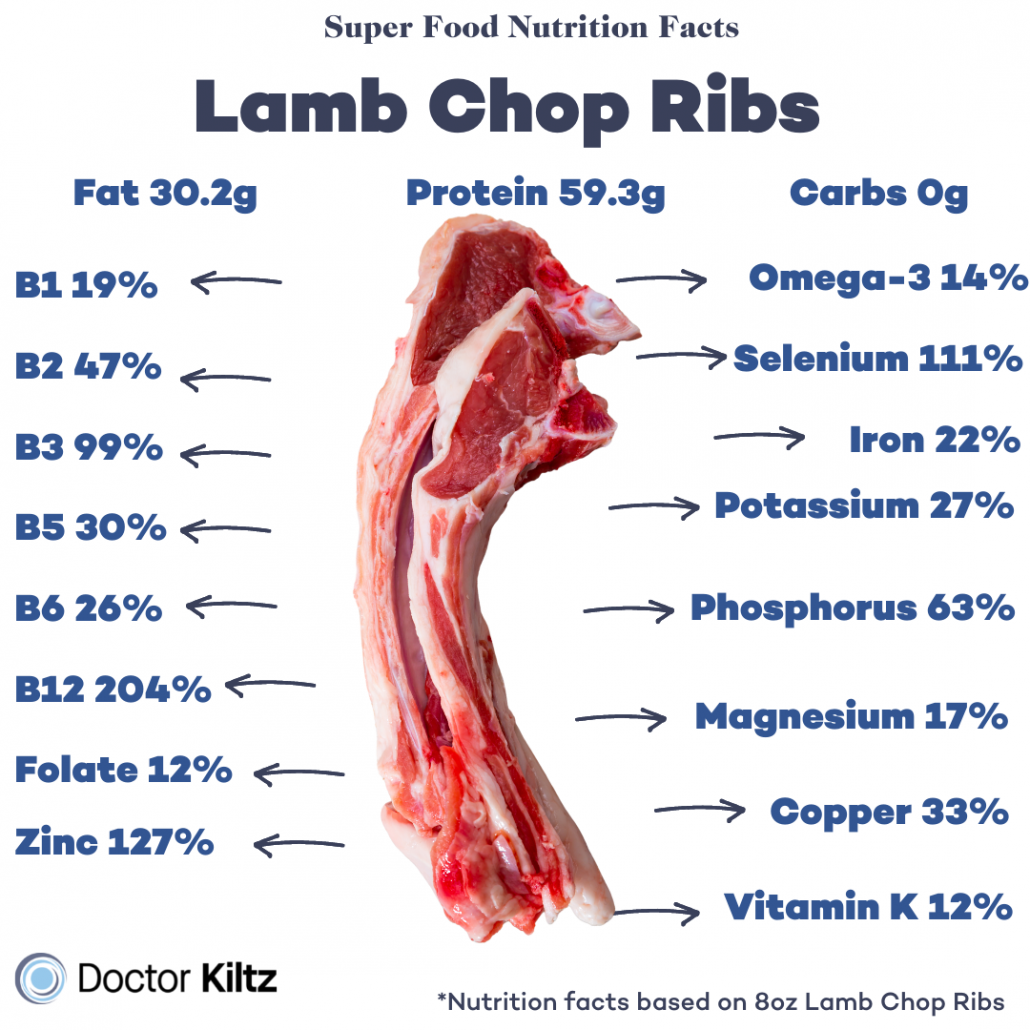
Lamb is not only one of the healthiest red meats, it’s also one of the healthiest foods on earth, period.
Here’s a rundown of lamb’s nutritional highlights:
- Provides the “master antioxidant” glutathione. This compound has been shown to reduce insulin resistance, reduce the risk of autoimmune disease, reduce symptoms of Parkinson’s disease, protect against oxidative damage in children with autism, and has been associated with a longer lifespan [17] [18] [19] [20] [21]
- Creatine in red meat like lamb supports muscle growth and maintenance while offering anti-depressant effects [22] [23] [24] [25]
- Taurine in lamb is an antioxidant amino acid that reduces glycation, inflammation, and oxidative stress, while also acting as an antidepressant [26] [27] [28]
- Carnosine found in red meat like lamb can reduce fatigue and improve physical performance while providing cardiovascular protection, and protection against the shortening of telomeres associated with aging [29] [30] [31] [32] [33] [34] [35] [36]
- Red meat like lamb is a prime source of essential vitamin B12. B12 helps convert food into energy, form red blood cells, boosts cognition, and is another natural antidepressant [37] [38]
- Vitamin A (Retinol) is essential for proper immune function, physical growth, vision, and fertility. [39] [40] [41] [42] [43] Lamb liver has the second highest amount of vitamin A of all foods. The vitamin A in red meat is significantly more absorbable than the vitamin A precursors found in plant foods [44]
These are only a small selection of the numerous micronutrients found in lamb and red meat. You can learn more about the benefits of eating red meat here.

Is Lamb Red Meat?: The Bottom Line
Yes, lamb is red meat.
Like other red meats, lamb is exceptionally healthy food.
Lamb provides healthy fats and beneficial micronutrients that you can only find in significant amounts red meat.
Though in the past, red meat has been maligned by nutritionists, there is no scientific evidence suggesting that red meat is bad for your health.
On the contrary, numerous studies show that red meat is a nutrient-dense whole food that does not need to be limited. [45]
If you’re concerned about the effects of meat on the environment, you can learn how eating meat can actually be good for the environment here.
Article Sources
- 1. Reduction in saturated fat intake for cardiovascular disease
- 2. Intake of saturated and trans unsaturated fatty acids and risk of all cause mortality, cardiovascular disease, and type 2 diabetes: systematic review and meta-analysis of observational studies
- 3. Meta-analysis of prospective cohort studies evaluating the association of saturated fat with cardiovascular disease
- 4. Effect of the amount and type of dietary fat on cardiometabolic risk factors and risk of developing type 2 diabetes, cardiovascular diseases, and cancer: a systematic review
- 5. Association of dietary, circulating, and supplement fatty acids with coronary risk: a systematic review and meta-analysis
- 6. Saturated Fats and Health: A Reassessment and Proposal for Food-Based Recommendations: JACC State-of-the-Art Review
- 7. Unprocessed Red Meat and Processed Meat Consumption: Dietary Guideline Recommendations From the Nutritional Recommendations (NutriRECS) Consortium
- 8. Common dietary patterns and risk of cancers of the colon and rectum: Analysis from the United Kingdom Women's Cohort Study (UKWCS)
- 9. Impact of dietary fat on gut microbiota and low-grade systemic inflammation: mechanisms and clinical implications on obesity
- 10. Dietary Fats and Cardiovascular Disease: A Presidential Advisory From the American Heart Association
- 11. The Various Roles of Fatty Acids
- 12. A review on effects of conjugated linoleic fatty acid (CLA) upon body composition and energetic metabolism
- 13. Conjugated linoleic acid reduces body fat mass in overweight and obese humans
- 14. Implication of conjugated linoleic acid (CLA) in human health
- 15. Treatment with dietary trans10cis12 conjugated linoleic acid causes isomer-specific insulin resistance in obese men with the metabolic syndrome
- 16. Omega-3 Fatty Acids
- 17. Glutathione!
- 18. Glutathione Primes T Cell Metabolism for Inflammation
- 19. Nutritional composition of red meat
- 20. Methionine restriction increases blood glutathione and longevity
- 21. S-linolenoyl glutathione intake extends life-span and stress resistance via Sir-2.1 upregulation in Caenorhabditis elegans
- 22. Creatine: The Power Supplement
- 23. Creatine for the Treatment of Depression
- 24. Creatine supplementation and aging musculoskeletal health
- 25. In sickness and in health: the widespread application of creatine supplementation
- 26. Protective role of taurine against oxidative stress
- 27. Effects and Mechanisms of Taurine as a Therapeutic Agent
- 28. Antidepressant-like effect of chronic taurine administration and its hippocampal signal transduction in rats
- 29. beta-Alanine supplementation augments muscle carnosine content and attenuates fatigue during repeated isokinetic contraction bouts in trained sprinters
- 30. Influence of beta-alanine supplementation on skeletal muscle carnosine concentrations and high intensity cycling capacity
- 31. Effects of beta-alanine supplementation on the onset of neuromuscular fatigue and ventilatory threshold in women
- 32. Beta-alanine improves sprint performance in endurance cycling
- 33. Antioxidant activity of carnosine, homocarnosine, and anserine present in muscle and brain
- 34. Carnosine and its constituents inhibit glycation of low-density lipoproteins that promotes foam cell formation in vitro
- 35. Effects of dietary supplementation of carnosine on mitochondrial dysfunction, amyloid pathology, and cognitive deficits in 3xTg-AD mice
- 36. Antioxidative and anti-inflammatory protection from carnosine in the striatum of MPTP-treated mice
- 37. Vitamin B12
- 38. Vitamin B12 Supplementation: Preventing Onset and Improving Prognosis of Depression
- 39. Vitamin A, infection, and immune function
- 40. Dietary vitamin A intake in relation to child growth
- 41. Retinoids: compounds important to hair growth
- 42. Vitamin A in reproduction and development
- 43, 44. Absorption of Vitamin A and Carotenoids by the Enterocyte: Focus on Transport Proteins
- 45. The role of red meat in the diet: nutrition and health benefits