
The no-sugar diet calls for cutting out refined and added sugars along with hidden sugars found in many processed foods.
Why? Because excess sugar consumption is directly linked to the deadliest inflammatory diseases on earth, including heart disease, type 2 diabetes, obesity, epithelial cell cancers, neurodegenerative disorders, and various autoimmune diseases.
The good news is that this no sugar food list will help you formulate a delicious, nutrient-dense meal plan that protects you from the ravages of excess sugar.
What is the No Sugar Diet?
The average American consumes a staggering three pounds of sugar each week!
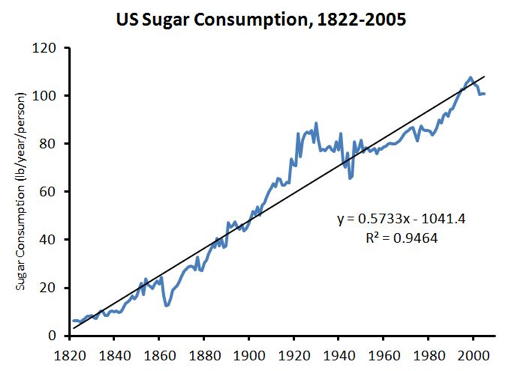
Source: Stephan Guyenet and Jeremy Landen
Most of this sugar is hidden in processed and plant-based foods, including many bogus “healthy,” low-fat food options, like tomato sauce and low-fat yogurt.
The no-sugar diet eliminates all added sugars and processed foods loaded with hidden sugars.
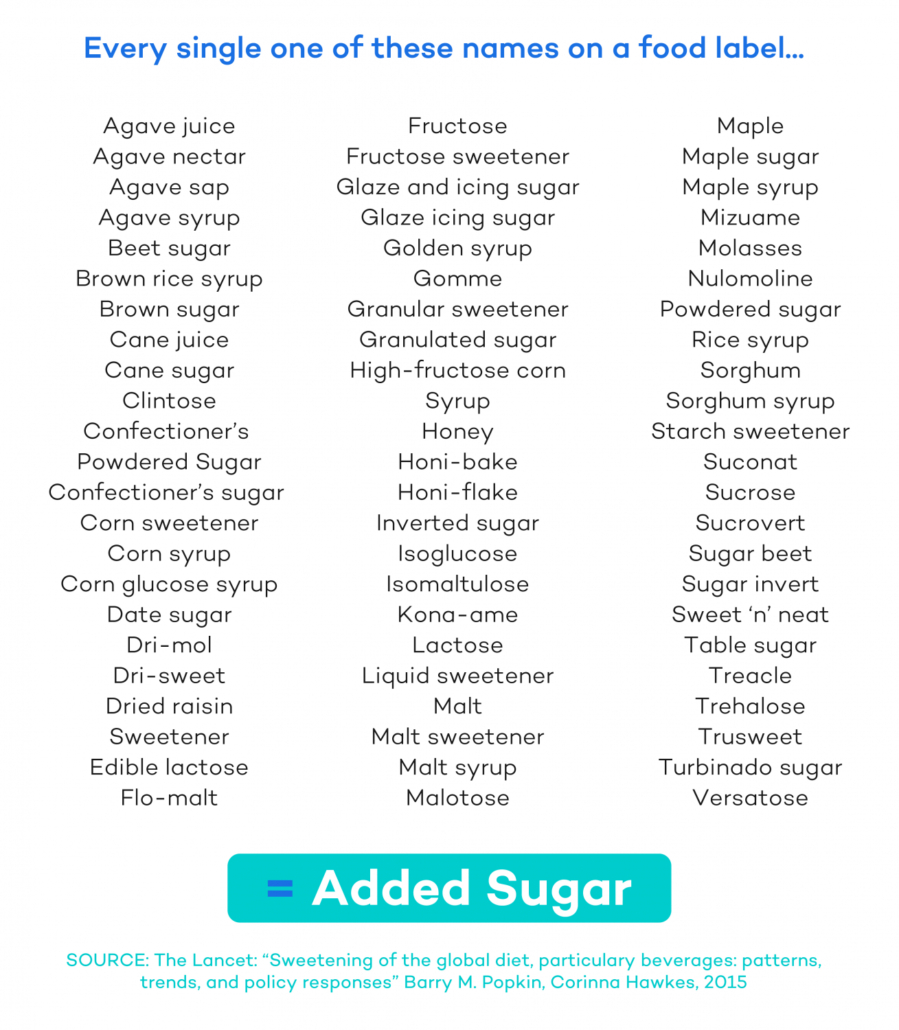
The no sugar diet is often thought of as an elimination diet first– in other words, people focus more on what they are eliminating than what they’re adding. So, we’ll start with this half of the story.
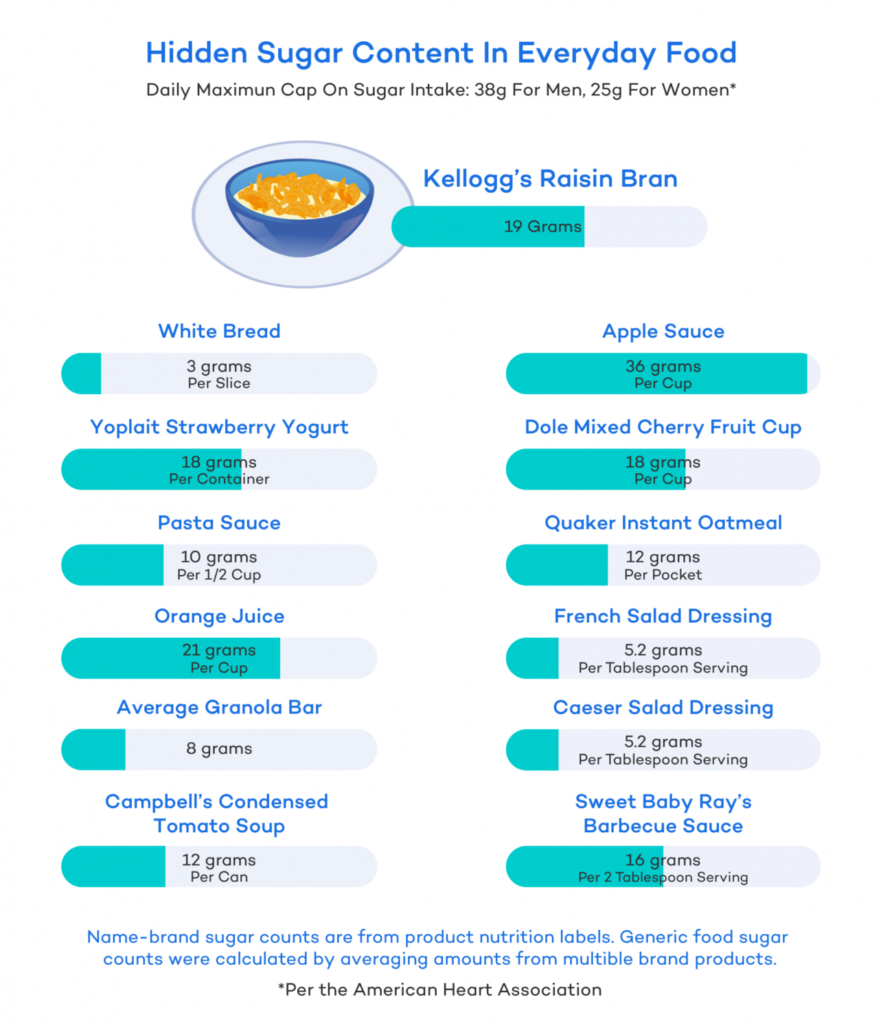
Going no sugar means cutting out
- Can sugar
- Beet sugar
- Corn sugar
- Honey
- Maple syrup
- Dried fruits
- Fruit juice
- Soda
- Candy
- Sweet baked goods, including cookies, cake, muffins
- Processed foods that contain added sugar
- High carb fruits
- High carb vegetables
- Condiments: ketchup, salad dressings, sauces
Many people practicing no sugar eating also eliminate high-carb and industrial foods even if they don’t have added sugar. These include
- Grains: wheat, rice, oats, quinoa, and grain products like bread and pasta
- Legumes: red beans, kidney beans, soy, etc.
- Dairy with carbs, including milk and yogurt
- Alcohol, including beer, wine, and liquor
- Vegetable “seed” oils
Why Ditch the Sugar?
Numerous studies show that high-carb diets cause widespread chronic inflammation. Conversely, low-carb diets combat inflammation. [1] [2] [3] [4] [5] [6] [7]
Excess sugar intake promotes inflammation in various ways, including
- Glycation: a process where sugar molecules bind to tissues, DNA, and RNA creating toxic compounds that lead to chronic inflammation and disease. [8] [9] [10]
- Damages the glycocalyx. Chances are you haven’t heard of this delicate protective membrane coating every cell in your body. The glycocalyx plays a key role in cardiovascular health and immune system response, and it’s incredibly sensitive to sugar intake. When you damage the glycocalyx by eating sugar you’re harming your vital functions on a cellular level. [11] [12]
- Promotes the growth of harmful bacteria while reducing beneficial bacteria in the gut. This imbalance can lead to intestinal permeability–a condition that allows toxic molecules to cross into your bloodstream, where they get deposited throughout the body, causing widespread inflammation. [13]
- Increasing “bad” LDL cholesterol, a risk factor for heart disease. [14] [15]
Why is sugar so dangerous? Because humans evolved as hunter-gatherers on a low-carb, mostly carnivorous diet for nearly 2 million years before the dawn of grain-based agriculture only 10,000 years ago.6 We didn’t eat many plants, and fruits were rare and not bred and modified to be nearly as sweet as they are today.
Our bodies are designed to thrive on nutrient-dense animal foods with little or no sugar. Our genetics are primed to regulate inflammation within a hunter-gatherer lifestyle–cutting sugar is the first step to reclaiming our metabolic health. [16] [17]
The alternative is downright deadly. The World Health Organization identifies chronic inflammatory diseases as the leading cause of death worldwide, killing 3 out of 5 people. [18]
Chronic inflammatory diseases associated with excess sugar consumption include:
- Impaired immune function [19]
- Alzheimer’s disease [20]
- Kidney failure [21]
- Eye damage and other complications associated with diabetes [22]
- PCOS, insulin resistance [23]
- Endometriosis [24]
- High blood pressure [25]
- heart disease [26]
- Cancer metastasis and resistance to chemotherapy [27]

List of the Healthiest No Sugar Diet Foods
Cutting sugar is only half of the no sugar diet. The other half is focusing on low-sugar whole foods that help realign our physiology with the low sugar eating patterns that our ancestors evolved to thrive on.
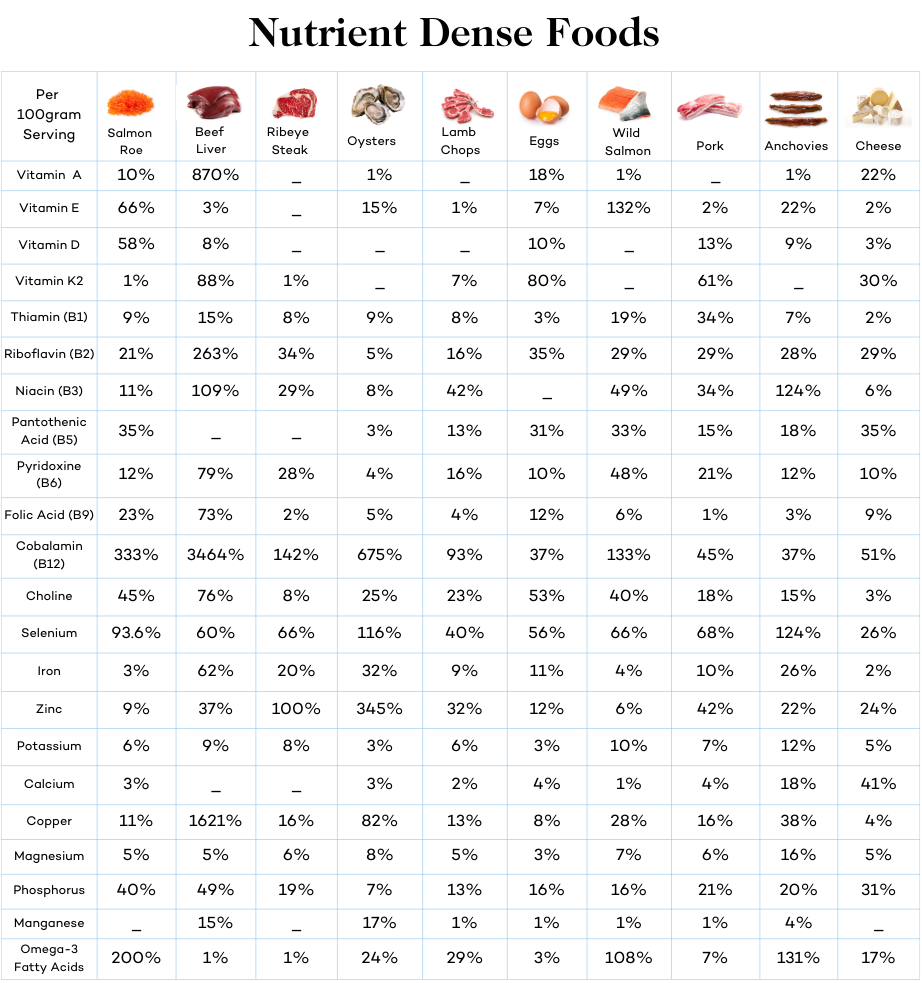
1. Ruminant Meats
Ruminant meats are from animals that eat grass that digests in their rumen stomach. Ruminant meats are extremely nutrient-dense and tend to provide the healthiest complex of fatty acids.
Ruminant meats include
- Beef: Ribeye steak and ground beef are great choices that you can find pretty much anywhere. Loaded with B vitamins, heart-healthy monounsaturated fatty acids, and every essential nutrient you need to thrive. In fact, it is entirely possible to thrive on only red meat, salt, and water.
- Lamb: Loaded with fantastic nutrients like zinc, glutathione, and anti-inflammatory conjugated linoleic acid.
- Bison: Even richer than beef in vital micronutrients, including vitamin B12, zinc, iron, selenium, and omega-3 fatty acid
- Goat: provides high quality proteins, fats, and B vitamins, while being very high in potassium which is very rare for meat– in fact, goat packs more potassium than a banana per gram. [28] [29]


2. Healthy Fats
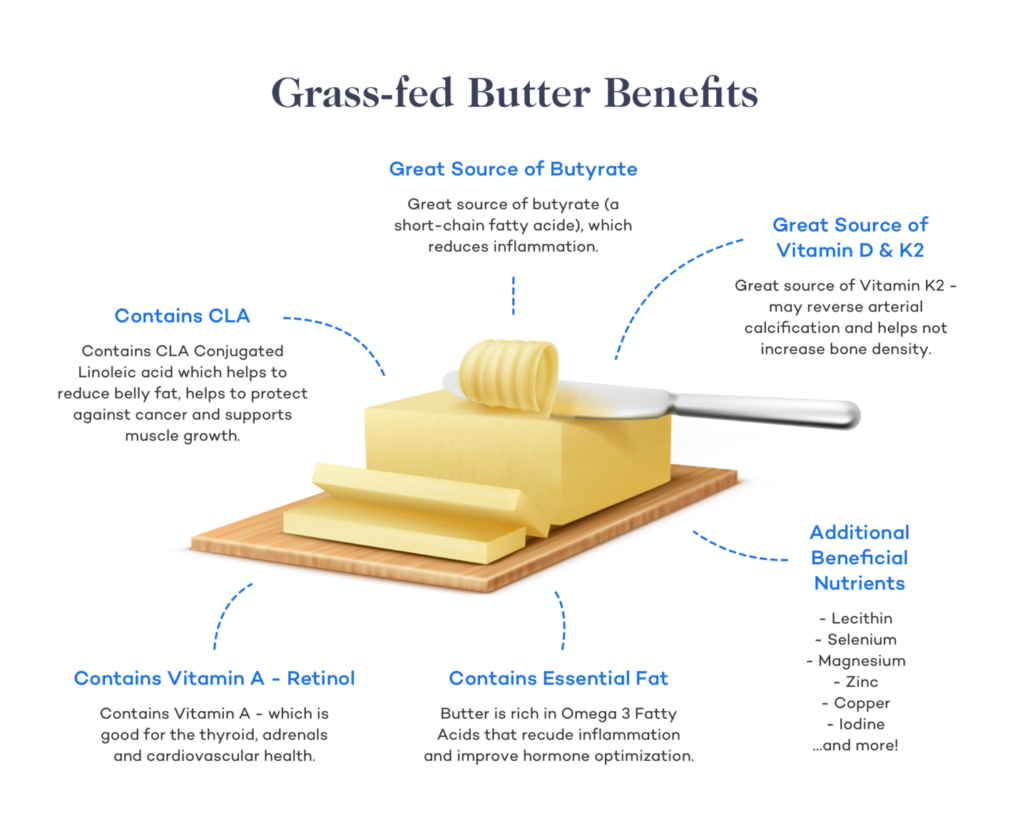
The idea that fats are healthy can be confusing for people weened on “low-fat” fanaticism. But the fact is fat is an essential nutrient. In dietary terms, “essential” has an official meaning–if you don’t eat it, you die. Not kidding. [30] [31]
If you cut all carbs–not just added sugar–you’ll need to get 65-80% of your calories from fat, since our bodies have a protein ceiling of around 30% of our calories before we get protein poisoning.
Some of the key physiological roles that healthy fats play include
- maintaining cellular structural integrity and function. [32]
- Facilitate the body’s ability to absorb fat-soluble vitamins (A, D, E, and K). These vitamins are key to nearly every physiological function, including growth and development, immune function, bone formation, vision, and heart health. [33]
- Production of hormones, including testosterone and estrogen [34]
- Maintain the health and function of the brain. [35] [36] [37]
The best fats on the no sugar diet food list include:
- Butter
- Ghee
- Lard
- Beef, bison, and duck tallow
- Olive oil
- Coconut oil
Fats to avoid on the no sugar diet include all vegetable oils other than olive oil. Vegetable oils are ultra processed industrial products high in inflammatory polyunsaturated fatty acids (PUFAs).
Studies have found that vegetable oils are the third deadliest lifestyle factor, behind only heavy smoking and severe obesity. [38]
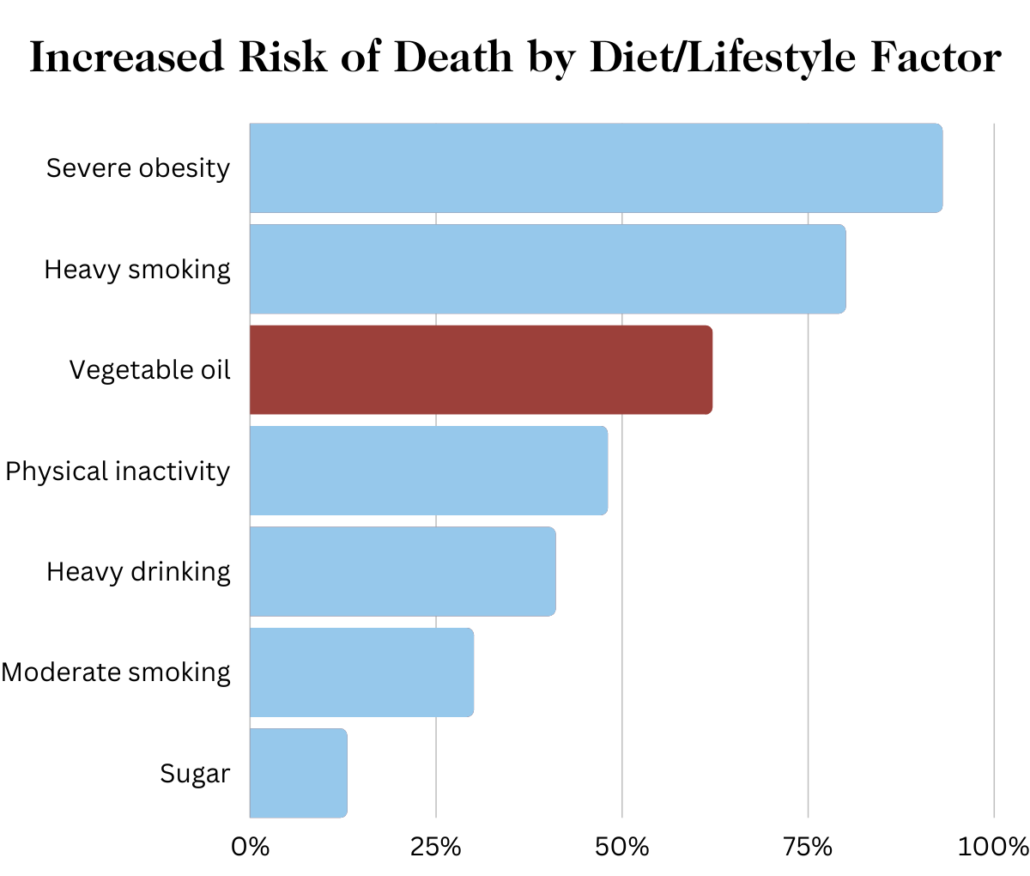
Just because vegetable oil doesn’t have sugar, does not mean it’s OK to eat.
Vegetable oils to eliminate from your no sugar diet food list include
- soybean oil
- corn oil
- sunflower oil
- safflower oil
- canola oil
- peanut oil
- rice bran oil
- grapeseed oil
- cottonseed oil
3. Eggs
Eggs are perhaps the most complete food on earth. This makes sense when considering that they contain every nutrient needed to grow an entire animal.
Eggs provide a powerful combination of:
If you want to up your egg game opt for pasture-raised eggs, which studies have found provide significantly more nutrients than conventional eggs.
4. Cheese and Yogurt
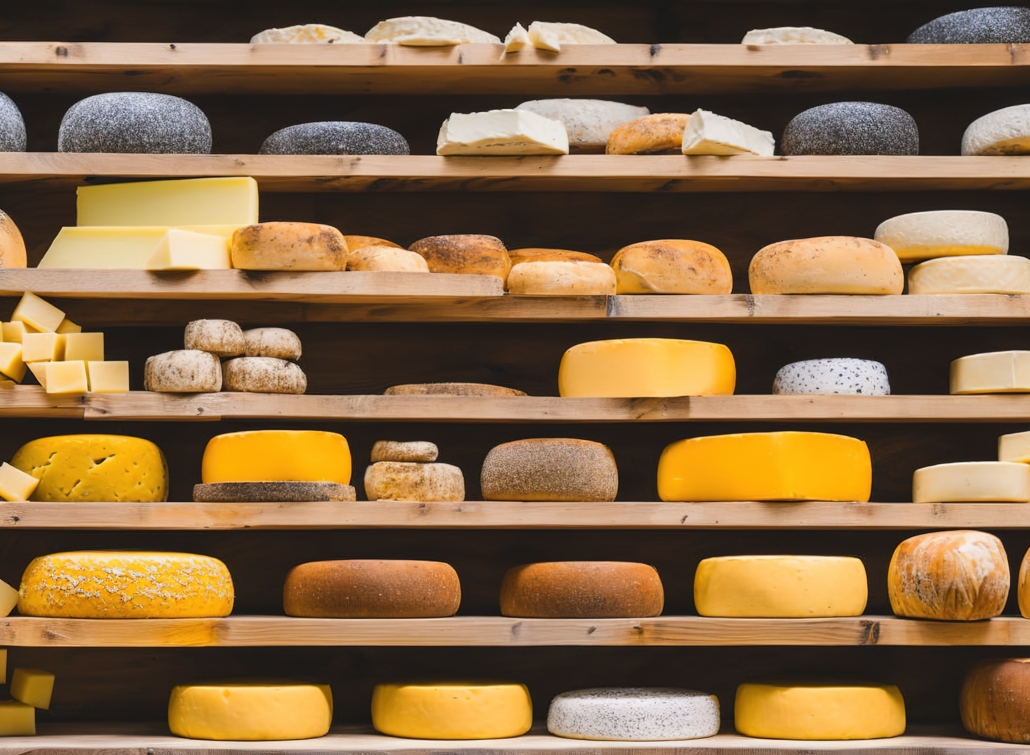
Cheese, especially ripened varieties, are among the most underrated superfoods.
Not only do cheeses provide a highly satiating combination of fats and proteins, they have a secret nutritional weapon known as bioactive peptides.
Pecorino and blue cheese in particular, offer tens of thousands of these compounds. One of these compounds is spermidine, which has even been found to have powerful age-reversing benefits. [39] [40] [41]
Full-fat yogurt is another no-sugar food that provides a healthy combination of fats, proteins, and probiotics.
5. Seafood

Seafood is an incredibly nutrient-rich no sugar food group. Let’s look at some of the best choices to add to our list:
- Fatty fish like Salmon, sardines, and anchovies provide are among the best sources of healthy fats, including omega-3s, and a complex of B vitamins.
- Mussels and oysters provide are some of nature’s most abundant sources of B vitamins, vitamin D, zinc, selenium, and copper.
- Shrimp, lobster, roe and other orange-pigmented seafood contain astaxanthin. This antioxidant can be 6,000 times more powerful than vitamin C. [42] [43] [44]
- Salmon roe is loaded with highly bioavailable vitamins A, B, D, and K2, zinc, and iodine, along with neuroprotective omega-3 fatty acids EPA and DHA. [45]
6. Low Carb Veggies

Low carb vegetables on the no sugar diet food list include
- Arugula
- Romaine Lettuce
- Spinach
- Avocado (technically a fruit)
- Asparagus
- celery
- Cucumber (technically a fruit)
- Eggplant
- Tomato (technically a fruit)
- Zucchini
- Cabbage
- Cauliflower
- Kale
- Broccoli
- White Mushrooms
- Green beans
- Brussel sprouts
- watercress
- Swiss chard
- Bell Pepper (green/yellow/red)
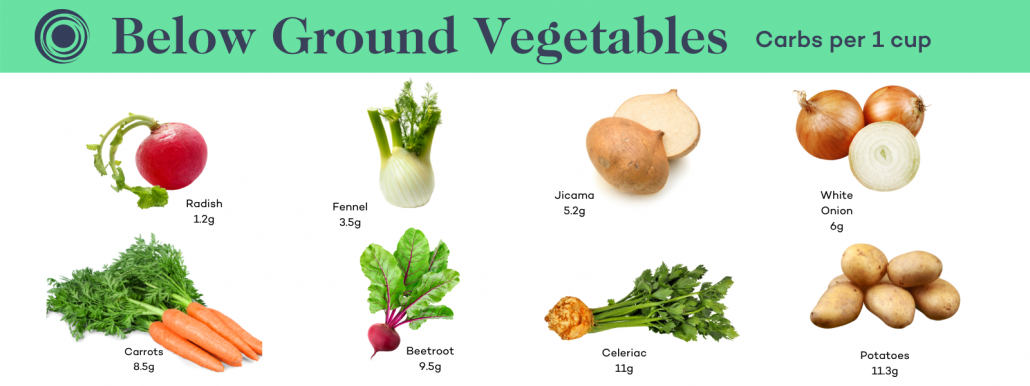
- Sweet potatoes
- Potatoes
- Celeriac
- Rutabaga
- Beetroot
- Parsnips
- Onions
- Carrots
- Fennel
- Radishes
- Jicama
Root Vegetables
Bonus: Organ Meats
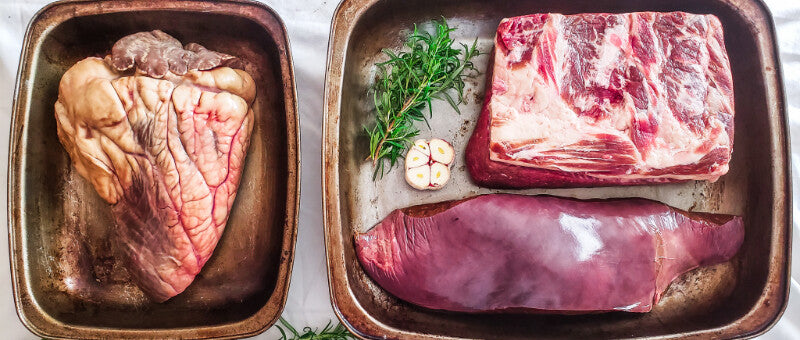
If you were making a no sugar food list based on nutrient density alone, organ meats would be at the top.
These overlooked morsels are loaded with B vitamins, vitamins A, E, K2, D, and C, and various beneficial peptides only found in organ meats.
Beef liver and chicken liver provide substantial amounts of CoQ10, a powerful antioxidant and energy generator that supports heart health and may protect against ]cancer. [46]
Bone broth made from bone marrow is a fantastic source of collagen that helps repair the intestinal lining and supports joint health.
No Sugar Beverages that make the list
- Water
- black coffee
- Unsweetened carbonated water
- plain tea
- Matcha tea
No Sugar Diet Food List: The Takeaway
Cutting out sugars and focusing on this list of nourishing whole foods is a major step in reclaiming your metabolic health.
A well-formulated no sugar food list is centered around
- Ruminant meats
- Healthy fats
- Eggs
- Full-fat dairy
By embracing this no-sugar diet food list, you can redefine your relationship with all of food, not just sugar. Take the plunge and enjoy more sustained energy levels, dramatically reduced inflammation, and an improved overall sense of well-being.
Article Sources
- 1. Jonasson L, Guldbrand H, Lundberg AK, Nystrom FH. Advice to follow a low-carbohydrate diet has a favourable impact on low-grade inflammation in type 2 diabetes compared with advice to follow a low-fat diet. Ann Med. 2014 May;46(3):182-7. doi: 10.3109/0785
- 2. Karimi E, Yarizadeh H, Setayesh L, Sajjadi SF, Ghodoosi N, Khorraminezhad L, Mirzaei K. High carbohydrate intakes may predict more inflammatory status than high fat intakes in pre-menopause women with overweight or obesity: a cross-sectional study. BMC Res
- 3, 7, 14. Aeberli I, Gerber PA, Hochuli M, Kohler S, Haile SR, Gouni-Berthold I, Berthold HK, Spinas GA, Berneis K. Low to moderate sugar-sweetened beverage consumption impairs glucose and lipid metabolism and promotes inflammation in healthy young men: a randomized
- 4. Spreadbury I. Comparison with ancestral diets suggests dense acellular carbohydrates promote an inflammatory microbiota, and may be the primary dietary cause of leptin resistance and obesity. Diabetes Metab Syndr Obes. 2012;5:175-89. doi: 10.2147/DMSO.S334
- 5. Buyken AE, Flood V, Empson M, Rochtchina E, Barclay AW, Brand-Miller J, Mitchell P. Carbohydrate nutrition and inflammatory disease mortality in older adults. Am J Clin Nutr. 2010 Sep;92(3):634-43. doi: 10.3945/ajcn.2010.29390. Epub 2010 Jun 23. PMID: 2057
- 6. Dickinson S, Hancock DP, Petocz P, Ceriello A, Brand-Miller J. High-glycemic index carbohydrate increases nuclear factor-kappaB activation in mononuclear cells of young, lean healthy subjects. Am J Clin Nutr. 2008 May;87(5):1188-93. doi: 10.1093/ajcn/87.5.
- 8, 20. Takeuchi M, Kikuchi S, Sasaki N, Suzuki T, Watai T, Iwaki M, Bucala R, Yamagishi S. Involvement of advanced glycation end-products (AGEs) in Alzheimer's disease. Curr Alzheimer Res. 2004 Feb;1(1):39-46. doi: 10.2174/1567205043480582. PMID: 15975084.
- 9. Teissier, T., Boulanger, É. The receptor for advanced glycation end-products (RAGE) is an important pattern recognition receptor (PRR) for inflammaging. Biogerontology 20, 279–301 (2019). https://doi.org/10.1007/s10522-019-09808-3
- 10. Angelika Bierhaus and others, AGEs and their interaction with AGE-receptors in vascular disease and diabetes mellitus. I. The AGE concept, Cardiovascular Research, Volume 37, Issue 3, March 1998, Pages 586–600, https://doi.org/10.1016/S0008-6363(97)00233-2
- 11. Möckl L. The Emerging Role of the Mammalian Glycocalyx in Functional Membrane Organization and Immune System Regulation. Front Cell Dev Biol. 2020 Apr 15;8:253. doi: 10.3389/fcell.2020.00253. PMID: 32351961; PMCID: PMC7174505.
- 12. Max Nieuwdorp, Timon W. van Haeften, Mirella C.L.G. Gouverneur, Hans L. Mooij, Miriam H.P. van Lieshout, Marcel Levi, Joost C.M. Meijers, Frits Holleman, Joost B.L. Hoekstra, Hans Vink, John J.P. Kastelein, Erik S.G. Stroes; Loss of Endothelial Glycocalyx
- 13. Satokari R. High Intake of Sugar and the Balance between Pro- and Anti-Inflammatory Gut Bacteria. Nutrients. 2020 May 8;12(5):1348. doi: 10.3390/nu12051348. PMID: 32397233; PMCID: PMC7284805.
- 15. Yang Q, Zhang Z, Gregg EW, Flanders WD, Merritt R, Hu FB. Added sugar intake and cardiovascular diseases mortality among US adults. JAMA Intern Med. 2014 Apr;174(4):516-24. doi: 10.1001/jamainternmed.2013.13563. PMID: 24493081.
- 16. The Emerging Tree of West Eurasian mtDNAs: A Synthesis of Control-Region Sequences and RFLPs
- 17. Universality in intermediary metabolism
- 18. ”Pahwa
- 19. Buongiorno AM, Morelli S, Sagratella E, Cipriani R, Mazzaferro S, Morano S, Sensi M. Immunogenicity of advanced glycation end products in diabetic patients and in nephropathic non-diabetic patients on hemodialysis or after renal transplantation. J Endocrin
- 21. Busch M, Franke S, Rüster C, Wolf G. Advanced glycation end-products and the kidney. Eur J Clin Invest. 2010 Aug;40(8):742-55. doi: 10.1111/j.1365-2362.2010.02317.x. PMID: 20649640.
- 22. Bejarano E, Taylor A. Too sweet: Problems of protein glycation in the eye. Exp Eye Res. 2019 Jan;178:255-262. doi: 10.1016/j.exer.2018.08.017. Epub 2018 Aug 24. PMID: 30145354; PMCID: PMC8351608.
- 23. Garg D, Merhi Z. Advanced Glycation End Products: Link between Diet and Ovulatory Dysfunction in PCOS? Nutrients. 2015 Dec 4;7(12):10129-44. doi: 10.3390/nu7125524. PMID: 26690206; PMCID: PMC4690076.
- 24. Fujii EY, Nakayama M, Nakagawa A. Concentrations of receptor for advanced glycation end products, VEGF and CML in plasma, follicular fluid, and peritoneal fluid in women with and without endometriosis. Reprod Sci. 2008 Dec;15(10):1066-74. doi: 10.1177/1933
- 25. Vasdev S, Gill V, Singal P. Role of advanced glycation end products in hypertension and atherosclerosis: therapeutic implications. Cell Biochem Biophys. 2007;49(1):48-63. doi: 10.1007/s12013-007-0039-0. PMID: 17873339.
- 26. Pertynska-Marczewska M, Merhi Z. Relationship of Advanced Glycation End Products With Cardiovascular Disease in Menopausal Women. Reprod Sci. 2015 Jul;22(7):774-82. doi: 10.1177/1933719114549845. Epub 2014 Sep 16. PMID: 25228634; PMCID: PMC4565470.
- 27. Game meat, goat, cooked, roasted
- 28. Bananas, ripe and slightly ripe, raw
- 29. Kaur N, Chugh V, Gupta AK. Essential fatty acids as functional components of foods- a review. J Food Sci Technol. 2014 Oct;51(10):2289-303. doi: 10.1007/s13197-012-0677-0. Epub 2012 Mar 21. PMID: 25328170; PMCID: PMC4190204.
- 30. Huffman SL, Harika RK, Eilander A, Osendarp SJ. Essential fats: how do they affect growth and development of infants and young children in developing countries? A literature review. Matern Child Nutr. 2011 Oct;7 Suppl 3(Suppl 3):44-65. doi: 10.1111/j.1740-
- 31. Ferreri C, Masi A, Sansone A, Giacometti G, Larocca AV, Menounou G, Scanferlato R, Tortorella S, Rota D, Conti M, Deplano S, Louka M, Maranini AR, Salati A, Sunda V, Chatgilialoglu C. Fatty Acids in Membranes as Homeostatic, Metabolic and Nutritional Bioma
- 32. Youness, R.A., Dawoud, A., ElTahtawy, O. et al. Fat-soluble vitamins: updated review of their role and orchestration in human nutrition throughout life cycle with sex differences. Nutr Metab (Lond) 19, 60 (2022). https://doi.org/10.1186/s12986-022-00696-y
- 33. Mumford SL, Chavarro JE, Zhang C, Perkins NJ, Sjaarda LA, Pollack AZ, Schliep KC, Michels KA, Zarek SM, Plowden TC, Radin RG, Messer LC, Frankel RA, Wactawski-Wende J. Dietary fat intake and reproductive hormone concentrations and ovulation in regularly me
- 34. Chang CY, Ke DS, Chen JY. Essential fatty acids and human brain. Acta Neurol Taiwan. 2009 Dec;18(4):231-41. PMID: 20329590.
- 35. Saturated fatty acid levels increase when making memories
- 36. Li D, Misialek JR, Jing M, Tsai MY, Eckfeldt JH, Steffen LM, Knopman D, Wruck L, Gottesman R, Mosley TH, Sharrett AR, Alonso A. Plasma phospholipid very-long-chain SFAs in midlife and 20-year cognitive change in the Atherosclerosis Risk in Communities (ARI
- 37. Ramsden C E, Zamora D, Leelarthaepin B, Majchrzak-Hong S F, Faurot K R, Suchindran C M et al. Use of dietary linoleic acid for secondary prevention of coronary heart disease and death: evaluation of recovered data from the Sydney Diet Heart Study and updat
- 38. Crippa G, Zabzuni D, Bravi E, Piva G, De Noni I, Bighi E, Rossi F. Randomized, double blind placebo-controlled pilot study of the antihypertensive effects of Grana Padano D.O.P. cheese consumption in mild - moderate hypertensive subjects. Eur Rev Med Pharm
- 39. Polyamines in Food
- 40. Cardioprotection and lifespan extension by the natural polyamine spermidine
- 41. Pizzorno J. Glutathione! Integr Med (Encinitas). 2014 Feb;13(1):8-12. PMID: 26770075; PMCID: PMC4684116.
- 42. National Center for Biotechnology Information (2023). PubChem Compound Summary for CID 5281224, Astaxanthin. Retrieved December 28, 2023 from https://pubchem.ncbi.nlm.nih.gov/compound/Astaxanthin.
- 43. Ambati RR, Phang SM, Ravi S, Aswathanarayana RG. Astaxanthin: sources, extraction, stability, biological activities and its commercial applications--a review. Mar Drugs. 2014 Jan 7;12(1):128-52. doi: 10.3390/md12010128. PMID: 24402174; PMCID: PMC3917265.
- 44. Carani V. Anuradha, Chapter 18 - Astaxanthin, a Marine Carotenoid Against Hepatic Oxidative Stress: a Systematic Review, Editor(s): Vinood B. Patel, Rajkumar Rajendram, Victor R. Preedy, The Liver, Academic Press, 2018, Pages 211-228, ISBN 9780128039519, h
- 45. Heinonen M. Food groups as the source of retinoids, carotenoids, and vitamin A in Finland. Int J Vitam Nutr Res. 1991;61(1):3-9. PMID: 1856042.