
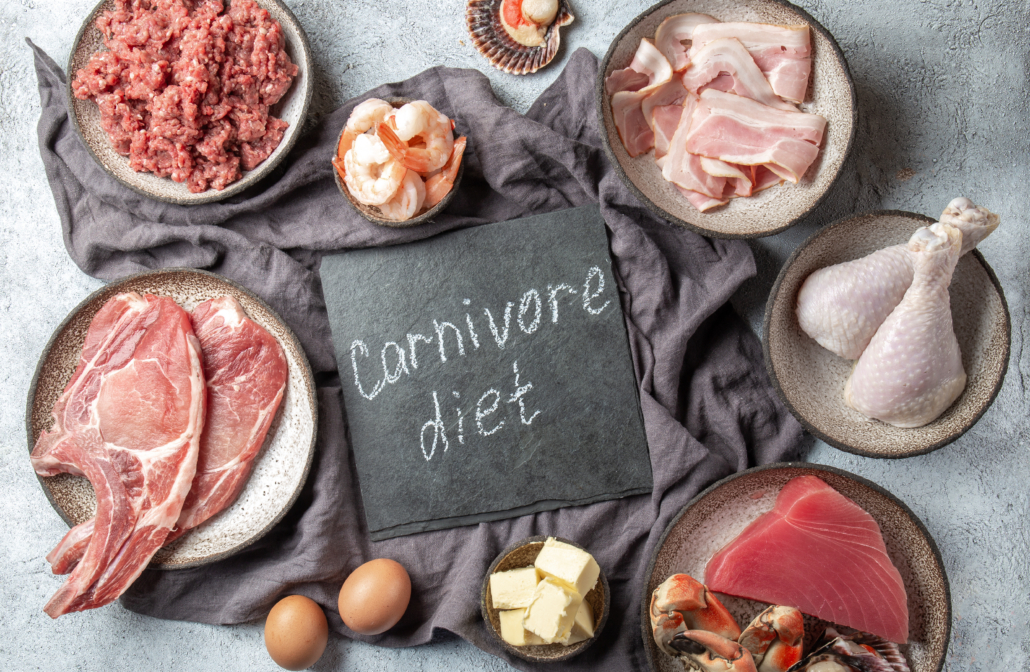
The Carnivore Diet is an all-meat ancestral way of eating aimed at helping people reclaim their health and wellness. As the Carnivore Diet has grown in popularity, so too has an interest in the use of the carnivore diet to treat and prevent cancer.
While there are no peer-reviewed published trials on the use of the carnivore diet against cancer, there is a growing body of impressive anecdotal reports and case studies.
Additionally, there are a number of metabolic factors associated with cancer that the carnivore diet addresses, including reducing inflammation, healing intestinal permeability, reducing blood sugar, and increasing ketones in the blood.
In this article, we’ll explore the role of the carnivore diet in preventing and treating cancer based on current scientific evidence and case studies.
What is the Carnivore Diet and How Can it Defend Against Cancer?
The carnivore diet is akin to the ketogenic diet, but it removes all plant foods, including vegetables, grains, seeds, and nuts.
The rationale behind the carnivore diet is based on mounting evidence that our ancient ancestors evolved as hypercarnivorous apex predators thriving on large, fatty animals (megafauna) for nearly 2 million years before the dawn of agriculture only 10,000 years ago. [1]
Accordingly, our modern food system based on industrial grains, seed “vegetable” oils, added sugars along with cultivated vegetables and fruits presents a mismatch between the sources and types of calories we consume and those that our bodies are designed for.
The metabolic catastrophe of this mismatch between our ancestral physiology and modern diet and lifestyle is reflected in numerous studies, including a 2019 study that found that 88% of Americans are metabolically unhealthy. [2]
It’s also present in the worldwide spike in inflammatory diseases. The World Health Organization estimates that 3 out of 5 people die from inflammatory diseases. At the same time, 60% of Americans have at least 1 chronic inflammatory disease. [3]
Studies show that metabolic dysfunction is common among cancer patients and is associated with higher rates of recurrence rates and lower rates of survival. [4]
Inflammation and Cancer
Research links the rapid increase in chronic inflammatory diseases to low-grade chronic inflammation driven in large part by our modern diets and eating habits. [5] [6] [7]
Numerous studies tell us that chronic inflammation is a hallmark of cancer. [8] With many cancers arising from sites of infection, chronic irritation, and inflammation. [9]
The carnivore diet eliminates numerous foods that are directly associated with cancer, chronic inflammation, and other metabolic conditions associated with cancer.
Let’s look at some of these factors in more detail.

Eliminates Inflammatory Carbs and Reverses Insulin Resistance
The carnivore diet is a high-fat low-carb way of eating. High-carb diets are associated with increased inflammation and insulin resistance, both of which are directly linked to cancer. [10] [11]
A study looking at the effects of sugar in soda found that consuming only one 375 ML soda (40 grams of sugar) per day significantly increased inflammatory markers along with insulin resistance and LDL cholesterol and led to weight gain. [12]
Numerous other studies have found that consuming added sugar and refined carbohydrates increases inflammation. [13] [14] [15]
A 2013 study in the journal Metabolism compared a high-fat, low-carb diet to low-fat, high-carb diet. The study revealed that after 12 weeks, high-fat dieters had lower markers of systemic inflammation. [16]
Numerous studies have found that very low-carb diets, like the carnivore diet, significantly improve insulin sensitivity and can reverse insulin resistance. [17] [18] [19] . Vopr Pitan. 2007;76(3):29-34. Russian. PMID: 17674517.”/]
Many other studies have found that low-carb diets have the ability to decrease inflammation. [20] [21] [22]
Eliminates Plant Toxins that Cause Intestinal Permeability
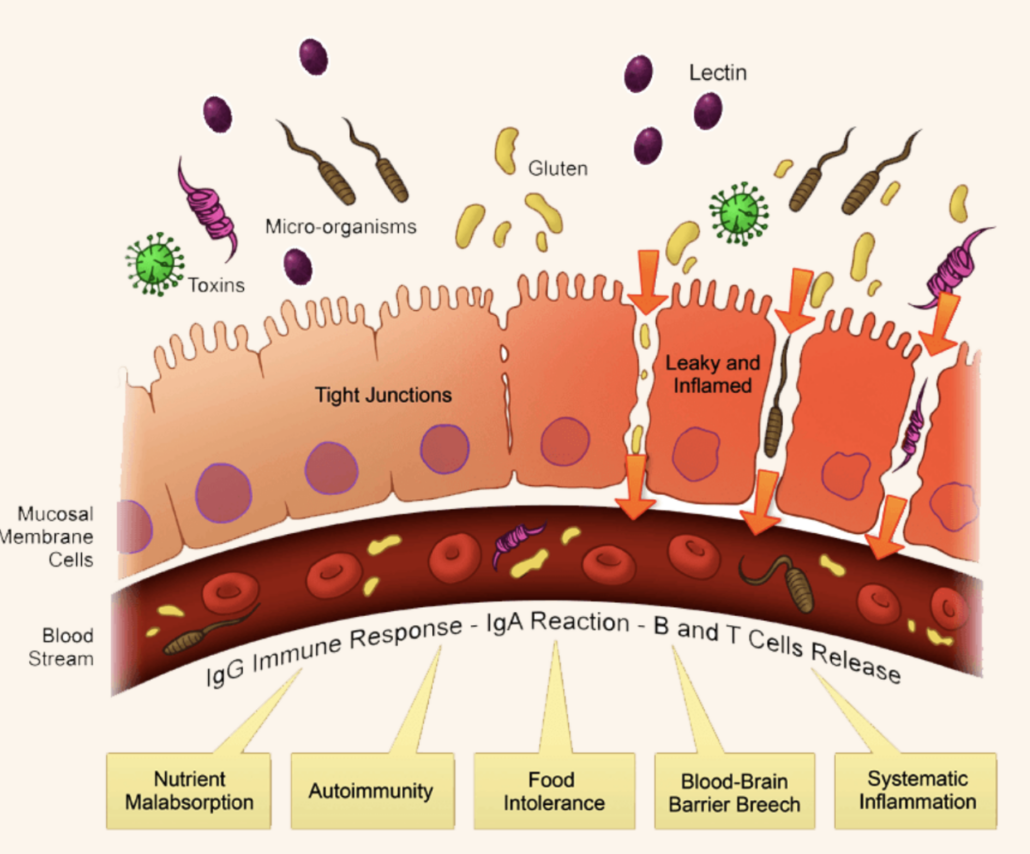
By eliminating all plant foods, the carnivore diet removes numerous plant antigens from your diet. These toxic foreign substances irritate the gut lining, eliciting a chronic inflammatory immune response [23]
Left unchecked, the gut lining becomes weakened, resulting in a syndrome called intestinal permeability, or “leaky gut.”
Plant antigens include
- Abrasive fibers
- Plant toxins (natural plant defense mechanisms)
- Pesticides
- Toxic molds called mycotoxins
- Antinutrients
When the junctions between the intestinal walls are breached, harmful pathogens cross into the bloodstream, where they’re transported to throughout the body, sowing the antigenic seeds of systemic inflammation. [24]
Studies show that intestinal permeability is implicated in colorectal cancer. [25] [26]
In addition to protecting the gut lining, removing plant foods also gets rid of a common and specifically carcinogenic plant toxin called oxalate.
Research has found that oxalates can corrupt breast cells into malignant tumors. [27]
They’ve also been shown to damage mitochondria–the energy factories of cells. [28] Mitochondrial dysfunction is primary to the development of most cancers. [29]
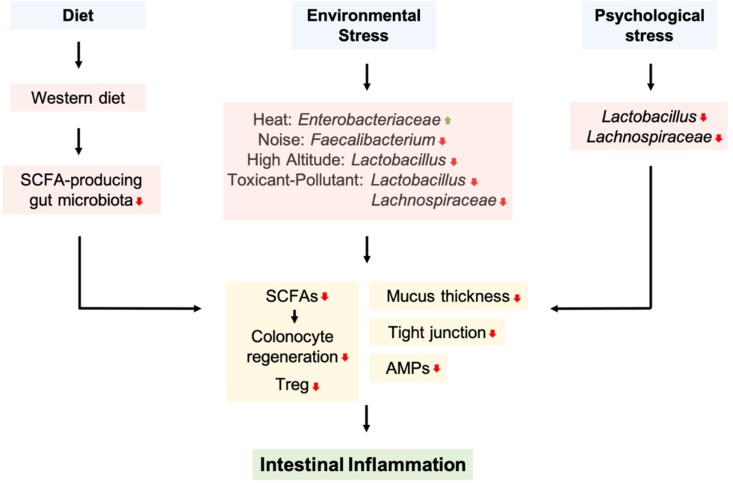
Source: Lobionda, S.; Sittipo, P.; Kwon, H.Y.; Lee, Y.K. The Role of Gut Microbiota in Intestinal Inflammation with Respect to Diet and Extrinsic Stressors. Microorganisms 2019

Increases Intake of Anti-Inflammatory and Anti-cancer Nutrients
Consuming only animal products supplies your body with an abundance of anti-inflammatory and anticarcinogenic micronutrients. Many of which you can only get in sufficient amounts and bioavailable forms from animal products.
Some of these key, meat-based anti-inflammatory, anticarcinogenic nutrients include
Eliminates FODMAPS
FODMAPS is the acronym for Fermentable Oligosaccharides, Disaccharides, Monosaccharides, and Polyols.
These are all types of short-chain carbohydrates (sugars) that are poorly absorbed by the small intestine, leading to various digestive problems.
Most grains and grain-based products, beans and lentils, and many vegetables fall into this category.
FODMAPS are associated with intestinal overgrowth that contributes to chronic inflammation of the gut mucosal lining and leaky gut. [39] [40]
A large population-based study on French adults found a significant association between consuming FODMAPs risk of cancer. [41]
Cutting Carbs, Increasing Ketones
In the 1920s, Otto Warburg discovered that certain cancers feed off of glucose via a specialized metabolic pathway. [42]
Specifically, cancer cells often exhibit increased consumption of glucose (blood sugar) and glutamine (an amino acid). [43]
This has led Thomas Seyfried and others to advance the theory that cancer is indeed a metabolic disease. As such, it can be managed by consuming far less sugar and glutamine and replacing them with fats that the body turns into powerful energy molecules called ketones. [44]
A carnivore diet is essentially a ketogenic diet and, therefore, may be a viable approach to starving certain cancer cells.
Harvard Carnivore Diet Study
In 2020 a team of Harvard researchers surveyed over 2000 carnivore dieters. The findings published in Current Developments in Nutrition reveal the carnivore diet as a potentially powerful ally in the fight against cancer. [45]
Relevant highlights include
- 98% improved or resolved diabetes and insulin resistance
- 97% improved or resolved gastrointestinal conditions
- 93% improved or resolved overweight/obesity (mean BMI decreased from 27.2 to 24.3)
Each of these conditions is a major factor in cancer risk, and the carnivore diet proved remarkably effective in combating and reversing them.
Perhaps most importantly, 98% of participants reported being very satisfied or satisfied with the diet. As far as dietary/lifestyle cancer interventions go, few seem to challenge the carnivore diet in terms of satisfaction and, therefore the likelihood that people will stick with it.
Case Studies
Though there are no published clinical trials on the use of the carnivore diet to treat cancer, there are a few promising case studies.
The following cases were collected by Dr. Al Danenberg, who himself was diagnosed with incurable bone marrow cancer in 2018 and given 3-6 months to live.
Dr. Danenberg experimented with keto-paleo and carnivore diets, surviving until his death Aug 2, 2023.
Case Study 1
A case study published in 2016 detailed the experience of a 60-year-old woman diagnosed with a malignant myoepithelial tumor of the soft palate. After refusing conventional chemotherapy and radiation treatment, the patient went on a strict carnivore elimination diet (only animal fat and meat) in December 2014.
From July 2015 onwards, she ate small amounts of vegetables less than twice a week. Imaging follow-ups showed that the cancer progression was halted.
20 months after the conclusion of the case report, the patient had no remaining symptoms or side effects from the originally diagnosed cancer. [46]
Case Study 2
At age 27, Andrew Scarborough was diagnosed with an aggressive and incurable brain tumor (Grade 3 Anaplastic Astrocytoma).
He decided to follow a strict paleo/keto diet, which he graduated into a strict carnivore diet.
Two years after his diagnosis, his cancer was in remission. His dietary protocol and its powerful results are being studied by Hammersford Hospital in Australia.
Red Meat Consumption Not Linked to Cancer
Despite what you may have heard in utterly dogmatic and unscientific media like Forks over Knives, Red meat does not cause cancer.
There have been exactly ZERO randomized control trials causally linking red meat to cancer. The most recent review studies (gold standard) of epidemiological studies have found no significant association between red meat and cancer. [47] [48] [49]
Other Resources
Since 2011, the International Center for Medical Nutritional Intervention in Budapest, Hungary, has been treating serious chronic diseases, including cancer.
They have treated over 6,000 patients using a strict animal-based diet. The results of their treatments have been published widely, and you can view them on their website by clicking on “Scientific Work and Articles”
Carnivore Diet and Cancer: The Takeaway
It is likely that cancer is a metabolic disease associated with the modern Western diet and lifestyle.
Though there are no studies looking directly at the use of the carnivore diet for the prevention or treatment of cancer, there is abundant evidence to suggest that it may be a promising approach.
The carnivore diet eliminates plant toxins, seed oils, and high-carb foods that cause intestinal permeability and chronic inflammation– both of which are major factors in various cancers.
Additionally, the carnivore diet nourishes cells with healthy fats, bioavailable micronutrients, and ketones–all of which have been found to reduce the risk and help to halt the progression of various cancers.
Article Sources
- 1. Ben-Dor, M, Sirtoli, R, Barkai, R. The evolution of the human trophic level during the Pleistocene. Yearbook Phys Anthropol. 2021; 175(Suppl. 72): 27–56. https://doi.org/10.1002/ajpa.24247
- 2. Araújo J, Cai J, Stevens J. Prevalence of Optimal Metabolic Health in American Adults: National Health and Nutrition Examination Survey 2009-2016. Metab Syndr Relat Disord. 2019 Feb;17(1):46-52. doi: 10.1089/met.2018.0105. Epub 2018 Nov 27. PMID: 30484738.
- 3. Chronic Inflammation Roma Pahwa; Amandeep Goyal; Ishwarlal Jialal.
- 4. Màrmol JM, Carlsson M, Raun SH, Grand MK, Sørensen J, Lang Lehrskov L, Richter EA, Norgaard O, Sylow L. Insulin resistance in patients with cancer: a systematic review and meta-analysis. Acta Oncol. 2023 Apr;62(4):364-371. doi: 10.1080/0284186X.2023.219712
- 5. Dietary Intake Regulates the Circulating Inflammatory Monocyte Pool Stefan Jordan Navpreet Tung Maria Casanova-Acebes Marie-Luise Berres Emily J. Gallagher Miriam Merad 17
- 6. Lumeng CN, Saltiel AR. Inflammatory links between obesity and metabolic disease. J Clin Invest. 2011 Jun;121(6):2111-7. doi: 10.1172/JCI57132. Epub 2011 Jun 1. PMID: 21633179; PMCID: PMC3104776.
- 7. Dietary Intake Regulates the Circulating Inflammatory Monocyte Pool Stefan Jordan Navpreet Tung Maria Casanova-Acebes Marie-Luise Berres Emily J. Gallagher Miriam Merad
- 8. Hallmarks of Cancer: The Next Generation
- 9. Coussens LM, Werb Z. Inflammation and cancer. Nature. 2002 Dec 19-26;420(6917):860-7. doi: 10.1038/nature01322. PMID: 12490959; PMCID: PMC2803035.
- 10. Teissier, T., Boulanger, É. The receptor for advanced glycation end-products (RAGE) is an important pattern recognition receptor (PRR) for inflammaging. Biogerontology 20, 279–301 (2019).
- 11. Angelika Bierhaus, Marion A Hofmann, Reinhard Ziegler, Peter P Nawroth, AGEs and their interaction with AGE-receptors in vascular disease and diabetes mellitus. I. The AGE concept, Cardiovascular Research, Volume 37, Issue 3, March 1998, Pages 586–600
- 12. Aeberli I, Gerber PA, Hochuli M, Kohler S, Haile SR, Gouni-Berthold I, Berthold HK, Spinas GA, Berneis K. Low to moderate sugar-sweetened beverage consumption impairs glucose and lipid metabolism and promotes inflammation in healthy young men: a randomized
- 13. Spreadbury I. Comparison with ancestral diets suggests dense acellular carbohydrates promote an inflammatory microbiota, and may be the primary dietary cause of leptin resistance and obesity. Diabetes Metab Syndr Obes. 2012;5:175-89. doi: 10.2147/DMSO.S334
- 14. Buyken AE, Flood V, Empson M, Rochtchina E, Barclay AW, Brand-Miller J, Mitchell P. Carbohydrate nutrition and inflammatory disease mortality in older adults. Am J Clin Nutr. 2010 Sep;92(3):634-43. doi: 10.3945/ajcn.2010.29390. Epub 2010 Jun 23. PMID: 2057
- 15. Dickinson S, Hancock DP, Petocz P, Ceriello A, Brand-Miller J. High-glycemic index carbohydrate increases nuclear factor-kappaB activation in mononuclear cells of young, lean healthy subjects. Am J Clin Nutr. 2008 May;87(5):1188-93. doi: 10.1093/ajcn/87.5.
- 16. Shoelson SE, Lee J, Goldfine AB. Inflammation and insulin resistance. J Clin Invest. 2006 Jul;116(7):1793-801. doi: 10.1172/JCI29069. Erratum in: J Clin Invest. 2006 Aug;116(8):2308. PMID: 16823477; PMCID: PMC1483173.
- 17. Volek JS, Sharman MJ, Gómez AL, DiPasquale C, Roti M, Pumerantz A, Kraemer WJ. Comparison of a very low-carbohydrate and low-fat diet on fasting lipids, LDL subclasses, insulin resistance, and postprandial lipemic responses in overweight women. J Am Coll N
- 18. McAuley KA, Hopkins CM, Smith KJ, McLay RT, Williams SM, Taylor RW, Mann JI. Comparison of high-fat and high-protein diets with a high-carbohydrate diet in insulin-resistant obese women. Diabetologia. 2005 Jan;48(1):8-16. doi: 10.1007/s00125-004-1603-4. Ep
- 19. ”Sorvacheva
- 20. How Ketogenic Diets Curb Inflammation in the Brain
- 21. Ruskin, D.N., Sturdevant, I.C., Wyss, L.S. et al. Ketogenic diet effects on inflammatory allodynia and ongoing pain in rodents. Sci Rep 11, 725 (2021). https://doi.org/10.1038/s41598-020-80727-x
- 22. Chaplin DD. Overview of the immune response. J Allergy Clin Immunol. 2010 Feb;125(2 Suppl 2):S3-23. doi: 10.1016/j.jaci.2009.12.980. PMID: 20176265; PMCID: PMC2923430.
- 23. Fasano A. All disease begins in the (leaky) gut: role of zonulin-mediated gut permeability in the pathogenesis of some chronic inflammatory diseases. F1000Res. 2020 Jan 31;9:F1000 Faculty Rev-69. doi: 10.12688/f1000research.20510.1. PMID: 32051759; PMCID:
- 24. Genua F, Raghunathan V, Jenab M, Gallagher WM, Hughes DJ. The Role of Gut Barrier Dysfunction and Microbiome Dysbiosis in Colorectal Cancer Development. Front Oncol. 2021 Apr 15;11:626349. doi: 10.3389/fonc.2021.626349. PMID: 33937029; PMCID: PMC8082020.
- 25. de Waal, G.M., de Villiers, W.J.S., Forgan, T. et al. Colorectal cancer is associated with increased circulating lipopolysaccharide, inflammation and hypercoagulability. Sci Rep 10, 8777 (2020). https://doi.org/10.1038/s41598-020-65324-2
- 26. Castellaro AM, Tonda A, Cejas HH, Ferreyra H, Caputto BL, Pucci OA, Gil GA. Oxalate induces breast cancer. BMC Cancer. 2015 Oct 22;15:761. doi: 10.1186/s12885-015-1747-2. PMID: 26493452; PMCID: PMC4618885.
- 27. Mikita Patel, Vidhush Yarlagadda, Oreoluwa Adedoyin, Vikram Saini, Dean G. Assimos, Ross P. Holmes, Tanecia Mitchell, Oxalate induces mitochondrial dysfunction and disrupts redox homeostasis in a human monocyte derived cell line,Redox Biology, Volume 15,
- 28. Hsu CC, Tseng LM, Lee HC. Role of mitochondrial dysfunction in cancer progression. Exp Biol Med (Maywood). 2016 Jun;241(12):1281-95. doi: 10.1177/1535370216641787. Epub 2016 Mar 27. PMID: 27022139; PMCID: PMC4950268.
- 29. Prasad AS. Zinc is an Antioxidant and Anti-Inflammatory Agent: Its Role in Human Health. Front Nutr. 2014 Sep 1;1:14. doi: 10.3389/fnut.2014.00014. PMID: 25988117; PMCID: PMC4429650.
- 30. Skrajnowska D, Bobrowska-Korczak B. Role of Zinc in Immune System and Anti-Cancer Defense Mechanisms. Nutrients. 2019 Sep 22;11(10):2273. doi: 10.3390/nu11102273. PMID: 31546724; PMCID: PMC6835436.
- 31. Sun, S., Li, X., Ren, A. et al. Choline and betaine consumption lowers cancer risk: a meta-analysis of epidemiologic studies. Sci Rep 6, 35547 (2016). https://doi.org/10.1038/srep35547
- 32. Al-Daghri NM, Rahman S, Sabico S, Yakout S, Wani K, Al-Attas OS, Saravanan P, Tripathi G, McTernan PG, Alokail MS. Association of Vitamin B12 with Pro-Inflammatory Cytokines and Biochemical Markers Related to Cardiometabolic Risk in Saudi Subjects. Nutrien
- 33. Mantareva V, Iliev I, Sulikovska I, Durmuş M, Angelov I. Cobalamin (Vitamin B12) in Anticancer Photodynamic Therapy with Zn(II) Phthalocyanines. Int J Mol Sci. 2023 Feb 23;24(5):4400. doi: 10.3390/ijms24054400. PMID: 36901830; PMCID: PMC10002512.
- 34. Influence of vitamin K2 on lipid precursors of inflammation and fatty acids pathway activities in HepG2 cells
- 35. Narvaez CJ, Bak MJ, Salman N, Welsh J. Vitamin K2 enhances the tumor suppressive effects of 1,25(OH)2D3 in triple negative breast cancer cells. J Steroid Biochem Mol Biol. 2023 Jul;231:106307. doi: 10.1016/j.jsbmb.2023.106307. Epub 2023 Apr 6. PMID: 370304
- 36. Huang Z, Liu Y, Qi G, Brand D, Zheng SG. Role of Vitamin A in the Immune System. J Clin Med. 2018 Sep 6;7(9):258. doi: 10.3390/jcm7090258. PMID: 30200565; PMCID: PMC6162863.
- 37. Kim JA, Jang JH, Lee SY. An Updated Comprehensive Review on Vitamin A and Carotenoids in Breast Cancer: Mechanisms, Genetics, Assessment, Current Evidence, and Future Clinical Implications. Nutrients. 2021 Sep 10;13(9):3162. doi: 10.3390/nu13093162. PMID:
- 38. Magge S, Lembo A. Low-FODMAP Diet for Treatment of Irritable Bowel Syndrome. Gastroenterol Hepatol (N Y). 2012 Nov;8(11):739-45. PMID: 24672410; PMCID: PMC3966170.
- 39. Uhde M, Ajamian M, Caio G, De Giorgio R, Indart A, Green PH, Verna EC, Volta U, Alaedini A. Intestinal cell damage and systemic immune activation in individuals reporting sensitivity to wheat in the absence of coeliac disease. Gut. 2016 Dec;65(12)
- 40. Debras C, Chazelas E, Srour B, Julia C, Schneider É, Kesse-Guyot E, Agaësse C, Druesne-Pecollo N, Andreeva VA, Wendeu-Foyet G, Galan P, Hercberg S, Deschasaux-Tanguy M, Touvier M. Fermentable Oligosaccharides, Disaccharides, Monosaccharides, and Polyols
- 41. Otto AM. Warburg effect(s)-a biographical sketch of Otto Warburg and his impacts on tumor metabolism. Cancer Metab. 2016 Mar 8;4:5. doi: 10.1186/s40170-016-0145-9. PMID: 26962452; PMCID: PMC4784299.
- 42. Cancer Cell
- 43. Seyfried TN, Flores RE, Poff AM, D'Agostino DP. Cancer as a metabolic disease: implications for novel therapeutics. Carcinogenesis. 2014 Mar;35(3):515-27. doi: 10.1093/carcin/bgt480. Epub 2013 Dec 16. PMID: 24343361; PMCID: PMC3941741.
- 44. Belinda S Lennerz, Jacob T Mey, Owen H Henn, David S Ludwig, Behavioral Characteristics and Self-Reported Health Status among 2029 Adults Consuming a “Carnivore Diet”, Current Developments in Nutrition, Volume 5, Issue 12, 2021, nzab133, ISSN 2475-2991
- 45. Halted Progression of Soft Palate Cancer in a Patient Treated with the Paleolithic Ketogenic Diet Alone: A 20-months Follow-up
- 46. ”Bradley
- 47. Alexander DD, Weed DL, Cushing CA, Lowe KA. Meta-analysis of prospective studies of red meat consumption and colorectal cancer. Eur J Cancer Prev. 2011 Jul;20(4):293-307. doi: 10.1097/CEJ.0b013e328345f985. PMID: 21540747.
- 48. Bylsma LC, Alexander DD. A review and meta-analysis of prospective studies of red and processed meat, meat cooking methods, heme iron, heterocyclic amines and prostate cancer. Nutr J. 2015 Dec 21;14:125. doi: 10.1186/s12937-015-0111-3. PMID: 26689289; PMCI