

Time-restricted eating (TRE) is a type of intermittent fasting. TRE aims to align your eating window with your body’s natural light and dark cycle, known as your circadian rhythm.
Time-restricted eating is supported by studies showing that eating out of synch with our daily circadian rhythm interferes with the rhythmic processes of our organs, which can result in an increased risk of various chronic diseases. [1]
To optimally align the time you eat with your circadian rhythm, TRE calls for limiting eating to a number of daylight hours each day–usually between 10 and 6 hours.
In this article, we’ll explore the benefits of TRE, how to do it, and what to eat and drink to get the greatest benefits.
What’s the Difference Between Time Restricted Eating and Intermittent Fasting?
As a type of intermittent fasting, time-restricted eating calls for eating within a limited number of hours during daylight.
Intermittent fasting is a term that includes shorter-term time-restricted eating techniques while also referring to more intensive fasting periods like OMAD “one meal a day’” and other IF fasting methods that last more than 24 hours.
Put simply, time-restricted eating is explicitly about aligning your eating with your circadian rhythm, while intermittent fasting includes all intentional fasting patterns. [2] [3]
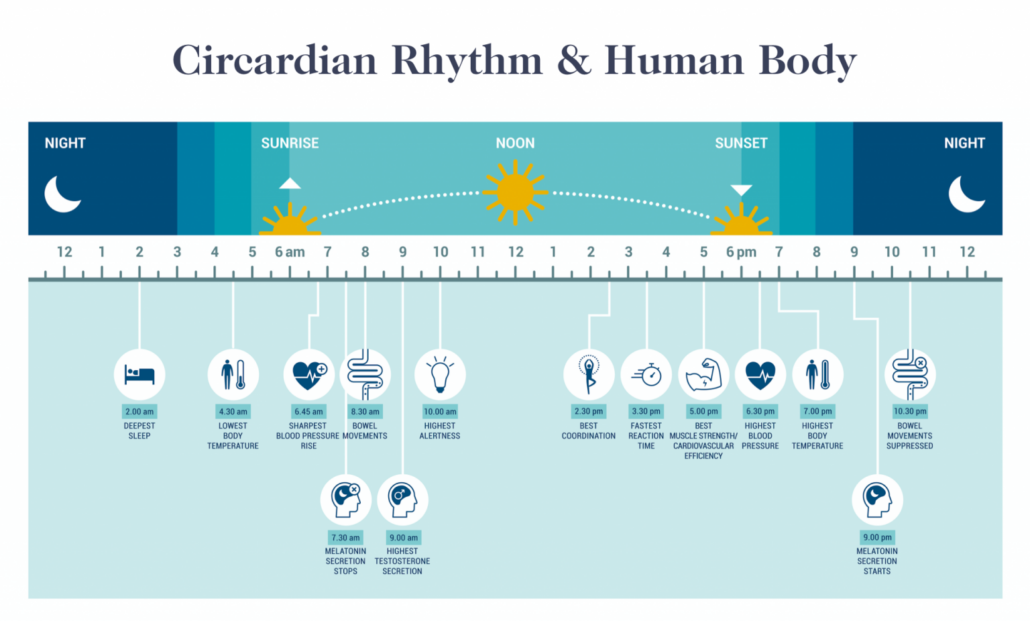
Consuming food in rhythm with your circadian rhythms on TRE is a dietary approach known as chrononutrition. [4]
Studies show that eating during daylight and abstaining from food after sundown results in benefits, including
- Reduced body fat [5]
- Improved sleep [6]
- Improve digestive symptoms, including abdominal pain, bloating, diarrhea, and constipation [7]
- Reduced risk of intestinal dysbiosis (overgrowth of harmful bacteria) [8]
- Improved immune cell recovery [9]
This means that if you finish your last meal at sundown, your next meal wouldn’t be until sunup the next day.

How to Do Time-Restricted Eating?
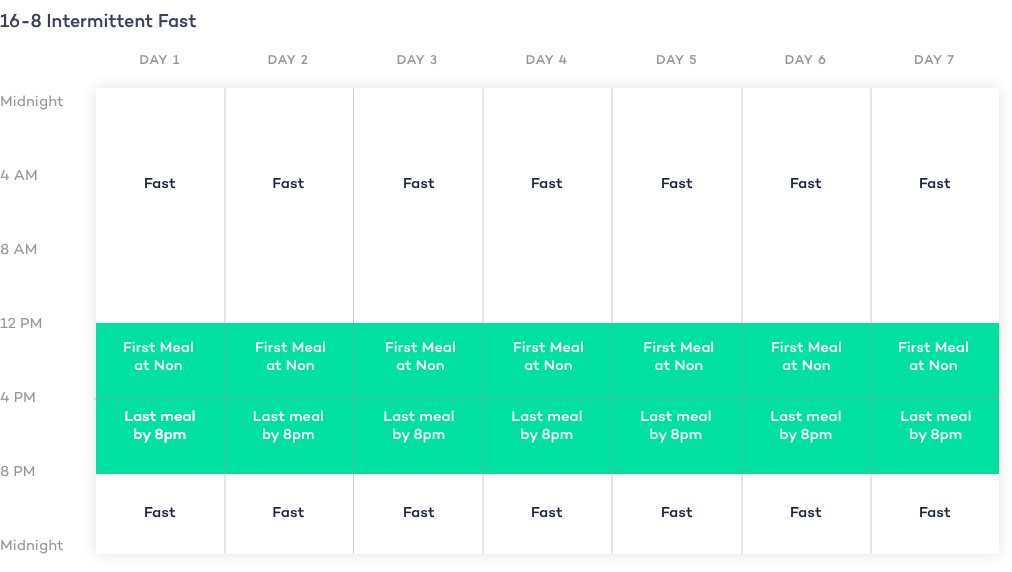
The most common approach to time-restricted eating is to eat all your food for the day within an 8-hour period of daylight.
Eating between 10 a.m. and 6 p.m. or 12 to 8 pm are common windows, depending on when the sun sets. The remaining 16 hours is a fasting period where you do not consume any calories from food or beverages.
This fasting schedule is also referred to 16/8 fasting. The only difference is that TRE is explicit about keeping the 8-hour eating window within daylight hours.
Benefits of Time Restricted Eating
Time-restricted eating has been shown to offer numerous powerful health benefits, including
- Stimulates autophagy–a process of cellular repair and renewal
- Stimulated stem cell production helps heal intestinal permeability
- improves insulin sensitivity
- reduces inflammation
- increases BDNF–miracle grow for your brain
- supports weight loss

Stimulates Autophagy (Cellular Repair and Renewal)
Studies show that time-restricted eating that eliminates caloric intake for at least 16-18 hours stimulates a process of cellular repair and renewal called autophagy. [10] [11] [12]
However, not just any 16-18 hour period of abstaining from calories will trigger autophagy. It only turns on when fasting overnight. [13]
If you haven’t heard of autophagy, here’s a rundown of what it is and its critical benefits. [14] 6
- Autophagy is a natural process of “cellular spring cleaning” where damaged cells and cell components like organelles and misfolded proteins are recycled into healthy, fully functional cells
- Autophagy Is critical to the health of nearly every organ
- slows with aging and is therefore associated with various anti-aging benefits
- promotes longevity
- supports heart health [15]
- reduces inflammation [16]
- protects against infection from bacteria and viruses [17]
- protects against neurodegenerative diseases
- protects against cancer [18]
Increased Stem Cell Production and Intestinal Healing
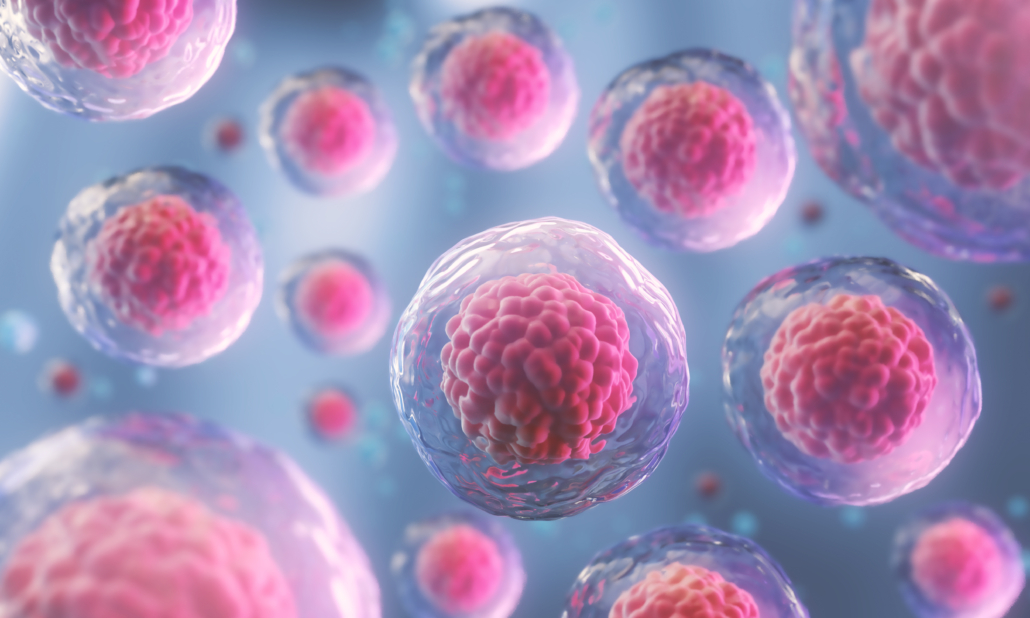
Stem cells are the body’s raw building materials. They’re the foundation of all other cellular structures.
Stem cells are the foundations of all the cellular structures in your body. Think of them as the raw building blocks for tissues and organs.
Aging in the body is directly related to a reduction in our ability to produce stem cells. [19]
When stem cell production slows down in our intestines it can be particularly detrimental to our systemic health.
Our intestines are the most important barrier of defense against plant toxins, antigens, pesticides, molds, and other toxic substances that we ingest.
Over time, these substances destroy our mucosal lining and create gaps in our intestinal walls. These gaps allow the passage of all these toxins into our bloodstream, where they get deposited throughout our bodies.
This condition, known as intestinal permeability, or “leaky gut” is a root cause of chronic inflammation and autoimmune diseases. [20]
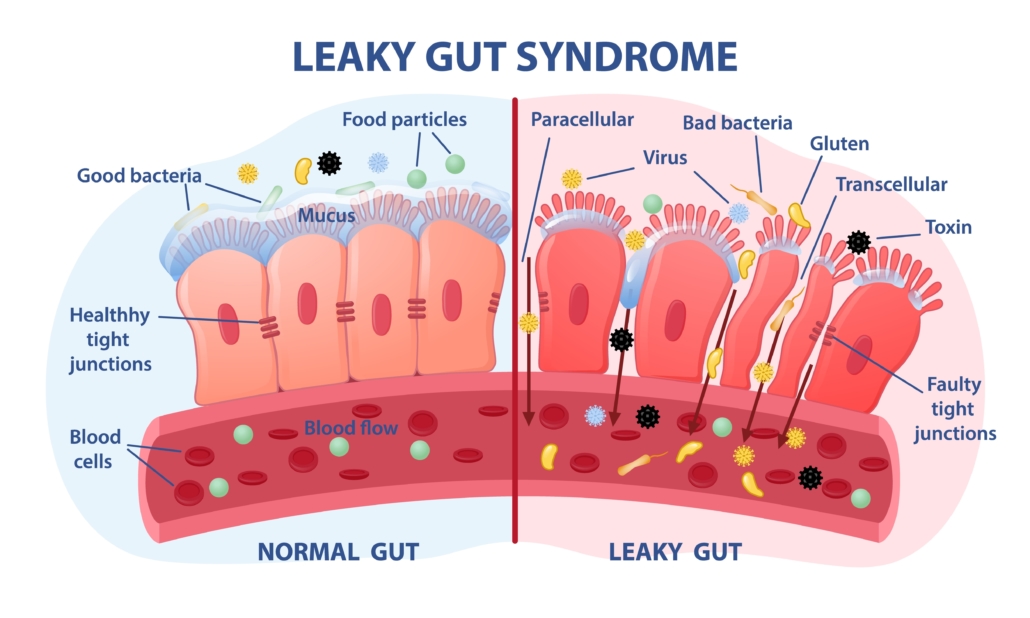
Studies show that time-restricted eating can stimulate stem cell formation, providing healing and protection in the gut. [21]
Improves Insulin Sensitivity
In an extensive 2022 review of various intermittent fasting approaches, including time-restricted eating, researchers determined that IF is an effective treatment for many diseases associated with insulin resistance. [22] [23]
A 2019 study on time-restricted eating found that TRE reduced 24-hour average blood sugar levels and reduced insulin resistance. [24]
A 2018 study on obese, prediabetic men found that time-restricted eating improved Insulin sensitivity, blood pressure, and markers of inflammation even without weight loss. [25]
Reducing and reversing insulin resistance offers various health benefits, including [26] :
- Improves symptoms of diabetes
- Reduces the risk of heart disease
- Resolves PCOS
- Improves cognition
- Protects against neurological diseases
- Better skin complexion
- Less water-weight
Reduces Inflammation
Chronic inflammation is the root cause of the world’s most lethal diseases, killing 3 out of 5 people. [27]
These diseases include [28] [29] [30]
- heart disease
- Stroke
- respiratory diseases
- Cancer
- Diabetes
The good news is that numerous studies have found that time-restricted eating is a powerful approach to reducing markers of inflammation, including oxidative stress and cortisol levels. [31] [32] [33] [34]
Intermittent fasting approaches similar to TRE have been used as therapy for inflammatory conditions like rheumatoid arthritis, Sjogren’s, and MS. [35] [36]
Increases BDNF “Miracle Grow for Your Brain”
Time-restricted eating has been shown to stimulate the production of a hormone called brain-derived neurotrophic factor (BDNF-1). [37]
BDFN plays a role in creating new brain cells, which compelled neuropsychiatrist John J. Ratey to deem it “Miracle-Gro for the brain.”
Researchers have associated BDNF with the formation of new neural pathways associated with better learning ability. While low BDNF levels are associated with neurodegenerative diseases like Parkinson’s and Alzheimer’s. [38]
Studies on animals have found that BDNF increases induced by fasting correspond with lower levels of depression, anxiety, and neurodegeneration. [39]
One human study found that fasting from dawn to sunset significantly increased BDFN levels. [40] Meanwhile, other research shows that BDNF production naturally increases overnight. [41]
Considering these findings, it is likely that practicing a time-restricted eating pattern that shifts the fasting period to nighttime would increase BDNF production over daytime fasting.
Weight Loss and Improved Body Composition
Numerous studies show that TRE is modestly effective for promoting weight loss.6 7
Studies with both normal-weight and obese participants found that time-restricted eating patterns from 7–12 hours over 2–4 weeks found up to 5% weight loss. [42] [43]
But as we touched on above, weight loss is a relatively superficial health factor. In fact, it is common to have stored body fat and be metabolically healthy. At the same time, it is common to be normal weight and metabolically unhealthy.
And time-restricted eating is a powerful tool for improving markers of metabolic health like reducing blood sugar, insulin resistance, and inflammation.
That said, intermittent fasting has been shown to promote the oxidation of fatty acids and support people in consuming fewer calories. Both of these are factors in weight loss. [44] [45]
Studies have shown that IF can increase your metabolic rate–the speed at which your body burns calories–by up to 14%. This rate increase occurs even when your body is at rest. [46] [47] Figures Save Share Reprints Request Time-Restricted Feeding without Reducing Caloric Intake Prevents Metabolic Diseases in Mice Fed a High-Fat Diet”/]
Research on numerous variations of intermittent fasting has found it safe and effective for weight loss, with the potential to promote a 9.9% reduction in body weight. [48]
Time-Restricted Eating Concerns?
Time-restricted eating is one of the gentlest and most easily adopted intermittent fasting methods.
It is safe for most people because it simply realigns our eating patterns with our natural internal biological clock.
What About Eating Disorders?
Time-restricted eating is not recommended for people with eating disorders. TRE can be used to conceal anorexia and increase the severity of bulimia.
What to Eat During Time Restricted Eating?
Many people who practice time-restricted eating find that the best results come from consuming low-carb, nutrient-dense ancestral foods centered around fresh meats, supplemented with organ meats, seafood, and full-fat dairy.
Nutrient-dense whole foods that support TRE, including
Fatty, whole foods provide saturated fats, cholesterol, and micronutrients nutrients that support the formation of healthy cell membranes and organelles.
Approaches that allow some low-carb fruits and veggies include Mediterranean keto and pescatarian keto. At the same time, all-meat carnivore diet is a popular ancestrally-aligned approach.
Combining low-carb high-fat eating with time-restricted eating mimics ancestral eating patterns that formed our physiology over millions of years of evolution. [49]
What to Drink When Time Restricted Eating?
During periods of not eating, mineral water is the best option.
However, black coffee and tea are generally accepted. A cup of black coffee only contains 2-3 calories. This will not disrupt the fasting state and can enhance the process of autophagy. [50]
Time Restricted Eating: The Bottom Line
Time-restricted eating is an approach to intermittent fasting that aligns the eating window with daylight hours.
Aligning eating with daylight and restricting calories during the night resets your body’s internal biological clock, improving sleep, reducing insulin resistance, controlling blood sugar, and reducing blood pressure.
At the same time, restricting calories for 16 hours stimulates the production of stem cells, autophagy (cellular renewal), and BDNF–a hormone that improves learning.
Article Sources
- 1. Regmi P, Heilbronn LK. Time-Restricted Eating: Benefits, Mechanisms, and Challenges in Translation. iScience. 2020 Jun 26;23(6):101161. doi: 10.1016/j.isci.2020.101161. Epub 2020 May 15. PMID: 32480126; PMCID: PMC7262456.
- 2. Tinsley GM, La Bounty PM. Effects of intermittent fasting on body composition and clinical health markers in humans. Nutr Rev. 2015 Oct;73(10):661-74. doi: 10.1093/nutrit/nuv041. Epub 2015 Sep 15. PMID: 26374764.
- 3. Rothschild J, Hoddy KK, Jambazian P, Varady KA. Time-restricted feeding and risk of metabolic disease: a review of human and animal studies. Nutr Rev. 2014 May;72(5):308-18. doi: 10.1111/nure.12104. Epub 2014 Apr 16. PMID: 24739093.
- 4. Adafer R, Messaadi W, Meddahi M, Patey A, Haderbache A, Bayen S, Messaadi N. Food Timing, Circadian Rhythm and Chrononutrition: A Systematic Review of Time-Restricted Eating's Effects on Human Health. Nutrients. 2020 Dec 8;12(12):3770. doi: 10.3390/nu12123
- 5. McHill AW, Phillips AJ, Czeisler CA, Keating L, Yee K, Barger LK, Garaulet M, Scheer FA, Klerman EB. Later circadian timing of food intake is associated with increased body fat. Am J Clin Nutr. 2017 Nov;106(5):1213-1219. doi: 10.3945/ajcn.117.161588. Epub
- 6. Telias I, Wilcox ME. Sleep and Circadian Rhythm in Critical Illness. Crit Care. 2019 Mar 9;23(1):82. doi: 10.1186/s13054-019-2366-0. PMID: 30850003; PMCID: PMC6408803.
- 7. Effect of Circadian Rhythm on Metabolic Processes and the Regulation of Energy Balance
- 8. Manoogian ENC, Panda S. Circadian rhythms, time-restricted feeding, and healthy aging. Ageing Res Rev. 2017 Oct;39:59-67. doi: 10.1016/j.arr.2016.12.006. Epub 2016 Dec 23. PMID: 28017879; PMCID: PMC5814245.
- 9. Marta Garaulet, Jingyi Qian, Jose C. Florez, Josephine Arendt, Richa Saxena, Frank A.J.L. Scheer, Melatonin Effects on Glucose Metabolism: Time To Unlock the Controversy, Trends in Endocrinology & Metabolism, Volume 31, Issue 3, 2020, Pages 192-204, ISSN 1
- 10. Federico Pietrocola, Yohann Demont, Francesca Castoldi, David Enot, Sylvère Durand, Michaela Semeraro, Elisa Elena Baracco, Jonathan Pol, Jose Manuel Bravo-San Pedro, Chloé Bordenave, Sarah Levesque, Juliette Humeau, Alexis Chery, Didier Métivier, Frank Ma
- 11. Rittig N, Bach E, Thomsen HH, Møller AB, Hansen J, Johannsen M, Jensen E, Serena A, Jørgensen JO, Richelsen B, Jessen N, Møller N. Anabolic effects of leucine-rich whey protein, carbohydrate, and soy protein with and without β-hydroxy-β-methylbutyrate (HMB
- 12, 24. Jamshed H, Beyl RA, Della Manna DL, Yang ES, Ravussin E, Peterson CM. Early Time-Restricted Feeding Improves 24-Hour Glucose Levels and Affects Markers of the Circadian Clock, Aging, and Autophagy in Humans. Nutrients. 2019 May 30;11(6):1234. doi: 10.3390/
- 13. Ulgherait, M., Midoun, A.M., Park, S.J. et al. Circadian autophagy drives iTRF-mediated longevity. Nature 598, 353–358 (2021). https://doi.org/10.1038/s41586-021-03934-0
- 14. Daniel J. Klionsky, Scott D. Emr ,Autophagy as a Regulated Pathway of Cellular Degradation.Science290,1717-1721(2000).DOI:10.1126/science.290.5497.1717
- 15. Koutouroushis C, Sarkar O. Role of Autophagy in Cardiovascular Disease and Aging. Cureus. 2021 Nov 30;13(11):e20042. doi: 10.7759/cureus.20042. PMID: 34873555; PMCID: PMC8631374.
- 16. Qian M, Fang X, Wang X. Autophagy and inflammation. Clin Transl Med. 2017 Dec;6(1):24. doi: 10.1186/s40169-017-0154-5. Epub 2017 Jul 26. PMID: 28748360; PMCID: PMC5529308.
- 17. Nakagawa I, Amano A, Mizushima N, Yamamoto A, Yamaguchi H, Kamimoto T, Nara A, Funao J, Nakata M, Tsuda K, Hamada S, Yoshimori T. Autophagy defends cells against invading group A Streptococcus. Science. 2004 Nov 5;306(5698):1037-40. doi: 10.1126/science.11
- 18. Galluzzi L, Pietrocola F, Bravo-San Pedro JM, Amaravadi RK, Baehrecke EH, Cecconi F, Codogno P, Debnath J, Gewirtz DA, Karantza V, Kimmelman A, Kumar S, Levine B, Maiuri MC, Martin SJ, Penninger J, Piacentini M, Rubinsztein DC, Simon HU, Simonsen A, Thorbu
- 19. Ahmed AS, Sheng MH, Wasnik S, Baylink DJ, Lau KW. Effect of aging on stem cells. World J Exp Med. 2017 Feb 20;7(1):1-10. doi: 10.5493/wjem.v7.i1.1. PMID: 28261550; PMCID: PMC5316899.
- 20. Bischoff SC, Barbara G, Buurman W, Ockhuizen T, Schulzke JD, Serino M, Tilg H, Watson A, Wells JM. Intestinal permeability--a new target for disease prevention and therapy. BMC Gastroenterol. 2014 Nov 18;14:189. doi: 10.1186/s12876-014-0189-7. PMID: 254075
- 21. Fasting boosts stem cells’ regenerative capacity A drug treatment that mimics fasting can also provide the same benefit, study finds. Anne Trafton | MIT News Office Publication Date:May 3, 2018
- 22. Yuan X, Wang J, Yang S, Gao M, Cao L, Li X, Hong D, Tian S, Sun C. Effect of Intermittent Fasting Diet on Glucose and Lipid Metabolism and Insulin Resistance in Patients with Impaired Glucose and Lipid Metabolism: A Systematic Review and Meta-Analysis. Int
- 23. Witte AV, Fobker M, Gellner R, Knecht S, Flöel A. Caloric restriction improves memory in elderly humans. Proc Natl Acad Sci U S A. 2009 Jan 27;106(4):1255-60. doi: 10.1073/pnas.0808587106. Epub 2009 Jan 26. PMID: 19171901; PMCID: PMC2633586.
- 25, 31. Sutton EF, Beyl R, Early KS, Cefalu WT, Ravussin E, Peterson CM. Early Time-Restricted Feeding Improves Insulin Sensitivity, Blood Pressure, and Oxidative Stress Even without Weight Loss in Men with Prediabetes. Cell Metab. 2018 Jun 5;27(6):1212-1221.e3. d
- 26. Patterson RE, Laughlin GA, LaCroix AZ, Hartman SJ, Natarajan L, Senger CM, Martínez ME, Villaseñor A, Sears DD, Marinac CR, Gallo LC. Intermittent Fasting and Human Metabolic Health. J Acad Nutr Diet. 2015 Aug;115(8):1203-12. doi: 10.1016/j.jand.2015.02.01
- 27. Chronic Inflammation Roma Pahwa; Amandeep Goyal; Ishwarlal Jialal.
- 28. Fritsch J, Abreu MT. The Microbiota and the Immune Response: What Is the Chicken and What Is the Egg? Gastrointest Endosc Clin N Am. 2019 Jul;29(3):381-393. doi: 10.1016/j.giec.2019.02.005. Epub 2019 Apr 5. PMID: 31078242.
- 29. Barcelos IP, Troxell RM, Graves JS. Mitochondrial Dysfunction and Multiple Sclerosis. Biology (Basel). 2019 May 11;8(2):37. doi: 10.3390/biology8020037. PMID: 31083577; PMCID: PMC6627385.
- 30. Tsai DH, Riediker M, Berchet A, Paccaud F, Waeber G, Vollenweider P, Bochud M. Effects of short- and long-term exposures to particulate matter on inflammatory marker levels in the general population. Environ Sci Pollut Res Int. 2019 Jul;26(19):19697-19704.
- 32. Moro T, Tinsley G, Pacelli FQ, et al. Twelve Months of Time-restricted Eating and Resistance Training Improves Inflammatory Markers and Cardiometabolic Risk Factors. Medicine and Science in Sports and Exercise. 2021 Dec;53(12):2577-2585. DOI: 10.1249/mss.0
- 33. McAllister, Matthew J. PhD; Gonzalez, Andrew E. MS; Waldman, Hunter S. PhD. Time Restricted Feeding Reduces Inflammation and Cortisol Response to a Firegrounds Test in Professional Firefighters. Journal of Occupational and Environmental Medicine 63(5):p 44
- 34. Dietary Intake Regulates the Circulating Inflammatory Monocyte Pool
- 35. Vasconcelos AR, Yshii LM, Viel TA, Buck HS, Mattson MP, Scavone C, Kawamoto EM. Intermittent fasting attenuates lipopolysaccharide-induced neuroinflammation and memory impairment. J Neuroinflammation. 2014 May 6;11:85. doi: 10.1186/1742-2094-11-85. PMID: 2
- 36. Fann DY, Santro T, Manzanero S, Widiapradja A, Cheng YL, Lee SY, Chunduri P, Jo DG, Stranahan AM, Mattson MP, Arumugam TV. Intermittent fasting attenuates inflammasome activity in ischemic stroke. Exp Neurol. 2014 Jul;257:114-9. doi: 10.1016/j.expneurol.20
- 37. Irani H, Khodami B, Abiri B, Saidpour A. Effect of time restricted feeding on anthropometric measures, eating behavior, stress, and brain-derived neurotrophic factor (BDNF) and lipopolysaccharide-binding protein (LBP) levels in women with overweight/obesit
- 38. Lima Giacobbo B, Doorduin J, Klein HC, Dierckx RAJO, Bromberg E, de Vries EFJ. Brain-Derived Neurotrophic Factor in Brain Disorders: Focus on Neuroinflammation. Mol Neurobiol. 2019 May;56(5):3295-3312. doi: 10.1007/s12035-018-1283-6. Epub 2018 Aug 17. PMID
- 39. Elesawy BH, Raafat BM, Muqbali AA, Abbas AM, Sakr HF. The Impact of Intermittent Fasting on Brain-Derived Neurotrophic Factor, Neurotrophin 3, and Rat Behavior in a Rat Model of Type 2 Diabetes Mellitus. Brain Sci. 2021 Feb 15;11(2):242. doi: 10.3390/brain
- 40. Abdulsada MM, Wilhelm ZR, Opekun AR, Devaraj S, Jalal PK, Mindikoglu AL. The effect of four-week intermittent fasting from dawn to sunset on circulating brain-derived neurotrophic factor levels in subjects with metabolic syndrome and healthy subjects.
- 41. Liang FQ, Allen G, Earnest D. Role of brain-derived neurotrophic factor in the circadian regulation of the suprachiasmatic pacemaker by light. J Neurosci. 2000 Apr 15;20(8):2978-87. doi: 10.1523/JNEUROSCI.20-08-02978.2000. PMID: 10751450; PMCID: PMC6772211
- 42. Adlouni A, Ghalim N, Benslimane A, Lecerf JM, Saile R. Fasting during Ramadan induces a marked increase in high-density lipoprotein cholesterol and decrease in low-density lipoprotein cholesterol. Ann Nutr Metab. 1997;41(4):242-9. doi: 10.1159/000177999. P
- 43. Nematy, M., Alinezhad-Namaghi, M., Rashed, M.M. et al. Effects of Ramadan fasting on cardiovascular risk factors: a prospective observational study. Nutr J 11, 69 (2012). https://doi.org/10.1186/1475-2891-11-69
- 44. Torchon E, Ray R, Hulver MW, McMillan RP, Voy BH. Fasting rapidly increases fatty acid oxidation in white adipose tissue of young broiler chickens. Adipocyte. 2017 Jan 2;6(1):33-39. doi: 10.1080/21623945.2016.1263777. Epub 2016 Dec 7. PMID: 28452587; PMCID
- 45. Gotthardt JD, Verpeut JL, Yeomans BL, Yang JA, Yasrebi A, Roepke TA, Bello NT. Intermittent Fasting Promotes Fat Loss With Lean Mass Retention, Increased Hypothalamic Norepinephrine Content, and Increased Neuropeptide Y Gene Expression in Diet-Induced Obes
- 46. Mansell PI, Fellows IW, Macdonald IA. Enhanced thermogenic response to epinephrine after 48-h starvation in humans. Am J Physiol. 1990 Jan;258(1 Pt 2):R87-93. doi: 10.1152/ajpregu.1990.258.1.R87. PMID: 2405717.
- 47. ”
- 48. Stockman MC, Thomas D, Burke J, Apovian CM. Intermittent Fasting: Is the Wait Worth the Weight? Curr Obes Rep. 2018 Jun;7(2):172-185. doi: 10.1007/s13679-018-0308-9. PMID: 29700718; PMCID: PMC5959807.
- 49. The evolution of the human trophic level during the Pleistocene Miki Ben-Dor, Raphael Sirtoli, Ran Barkai
- 50. Pietrocola F, Malik SA, Mariño G, Vacchelli E, Senovilla L, Chaba K, Niso-Santano M, Maiuri MC, Madeo F, Kroemer G. Coffee induces autophagy in vivo. Cell Cycle. 2014;13(12):1987-94. doi: 10.4161/cc.28929. Epub 2014 Apr 25. PMID: 24769862; PMCID: PMC411176