

Conjugated linoleic acid (CLA) is a fatty acid we can get either from the foods we eat or from supplements.
The top CLA foods are grass-fed dairy and meat products. CLA from food sources has been shown to reduce the risk of various diseases.
However, the CLA in supplements is derived from the linoleic acid found in seed oils. CLA supplements have been shown to have various negative side effects.
In this article, we’ll explore the top CLA foods and their health benefits.
What is CLA (Conjugated Linoleic Acid)
Conjugated linoleic acid (CLA) is a fatty acid. It is mainly produced in the digestive tract of ruminant animals by the action of microbial metabolism. [1]
The CLA produced by ruminant digestion then accumulates in dairy products, including [2] :

CLA in Supplements vs. CLA in Whole Foods
There are 28 forms of CLA based on small variations to their molecular structure. However, these tiny differences have a major effect of how they affect our bodies.
The CLA in supplements is made by altering the chemical structure of linoleic acid from toxic vegetable “seed” oils. [3] The CLA in supplements does not naturally occur in large amounts in natural sources. [4] [5]
Because supplemental CLA is a different molecule, it does not offer the benefits of CLA from whole food sources.

Negative Consequences of Plant-Based CLA Supplements
In fact, CLA from supplements can result in negative health consequences, including:
- Increased liver fat [6] [7]
- Increased inflammation and oxidative stress [8]
- Insulin resistance [9]
- Decrease in “good” HDL cholesterol [10]
- Diarrhea [11]
Health Benefits of CLA Foods
The CLA found in whole dairy and meat provides numerous powerful health benefits. Let’s explore.
According to the Linus Pauling Institute, to get the benefits of CLA foods you’ll need to consume at least 3 mcg of CLA per day.
CLA Can Significantly Reduce the Risk of Various Cancers

This 2005 review of numerous studies found that consuming CLA foods can significantly inhibit the growth of cancer and tumors in the stomach, prostate, breast, and liver. [12] . Postepy Hig Med Dosw (Online). 2013 Jan 1″/] [13] [14]
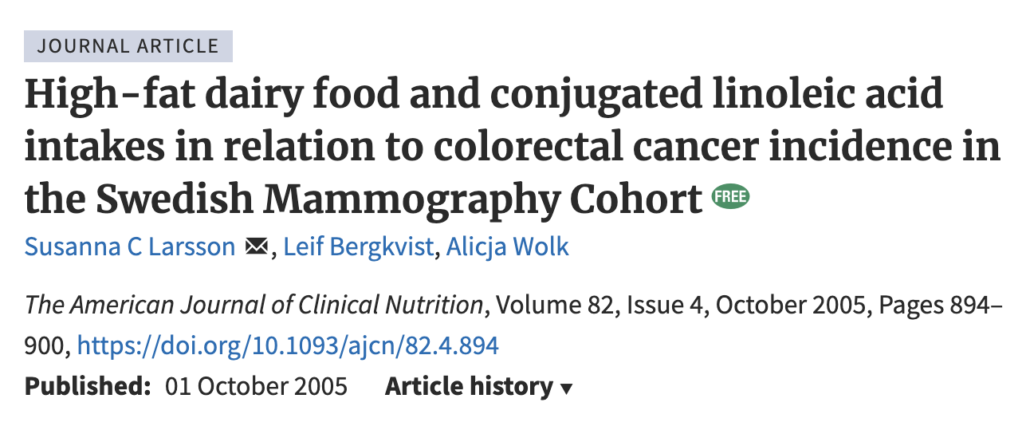
Another 2005 study looking at the effects of CLA found in high-fat dairy found that women who consumed at least four servings of high-fat dairy per day had a 34% lower risk of colon cancer. [15]
A smaller study with 23 young men consuming 5.6 grams of CLA daily resulted in decreased cancer markers, including tumor necrosis factor and C-reactive protein. [16]

In 2016 a Finnish study, found that women with adequate CLA levels from food had a 60% lower incidence of breast cancer than women who consumed lower levels of CLA. [17]
CLA Reduces Risk of Various Metabolic Diseases
Various studies of CLA from foods in humans and animals show that it may lower the risk of various metabolic diseases, including type 2, cardiovascular disease, and obesity. [18] [19]
Studies also show that CLA can reduce cholesterol in people with type 2 diabetes and improve insulin sensitivity in young, sedentary adults. [20] [21]
Other studies show that in countries where cows eat mostly grass, as opposed to grain, the people with the highest levels of CLA in their bodies demonstrate a lower risk of heart disease. [22]
It’s worth noting that grass-fed animal products also have other cardioprotective nutrients, especially vitamin K2.
Anti-Inflammatory and Immune Boosting Properties
Research done on mice found that consuming red meat with high concentrations of CLA “exerts profound anti-inflammatory effects”. [23]
Research also suggests that CLA intake can support the health of the immune system by reducing inflammation.
One study on 23 young men who received 5.6 grams of CLA daily showed decreased inflammatory markers including tumor necrosis factor and C-reactive protein. [24]
Foods High in CLA

The foods highest in CLA are grass-fed animal products that are high in fat. [25]
Studies show that grass-fed meat and dairy provide 300-500% more CLAs than grain-fed varieties. [26]
Top 5 CLA Foods
The top 5 CLA foods are all grass-fed and/or pasture-raised whole foods animal products.
Not surprisingly, these are foods that high-fat, low-carb diets like carnivore, keto, and BEBBIIS revolve around.
1 Lamb
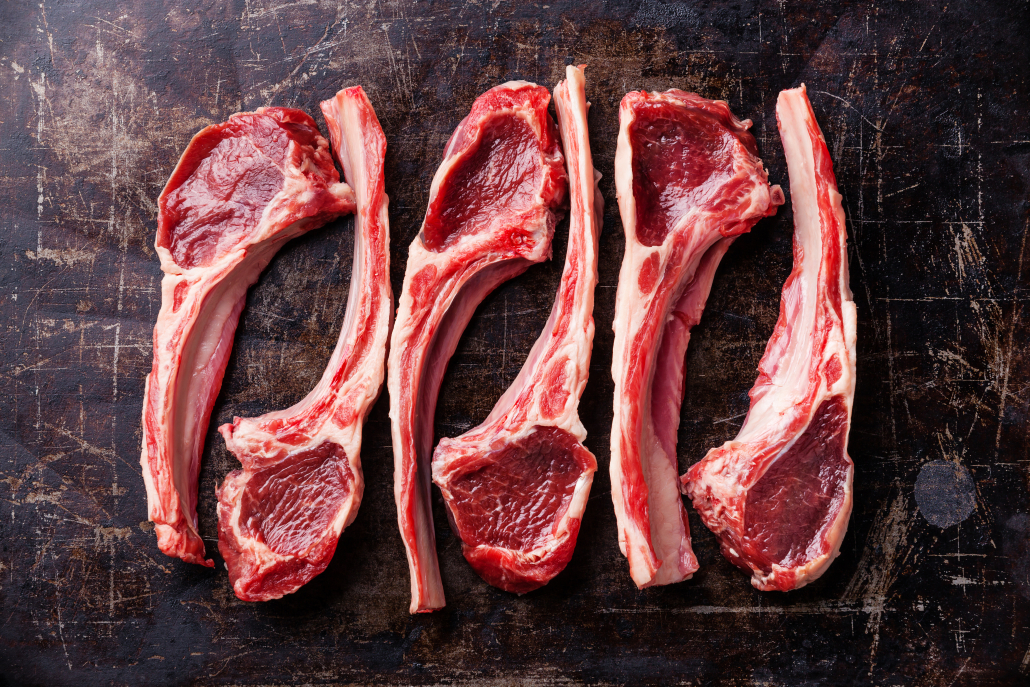
Lamb contains the highest levels of conjugated linoleic acid (CLA) of any food. [27]
Typically you’ll get from 4 – 19.0 mg CLA per gram of fat content.
Since CLA is a component of fat, you will get the most CLA from the fattiest cuts of lamb which include:
- Lamb chops
- Loin chop
- Leg
- Shank
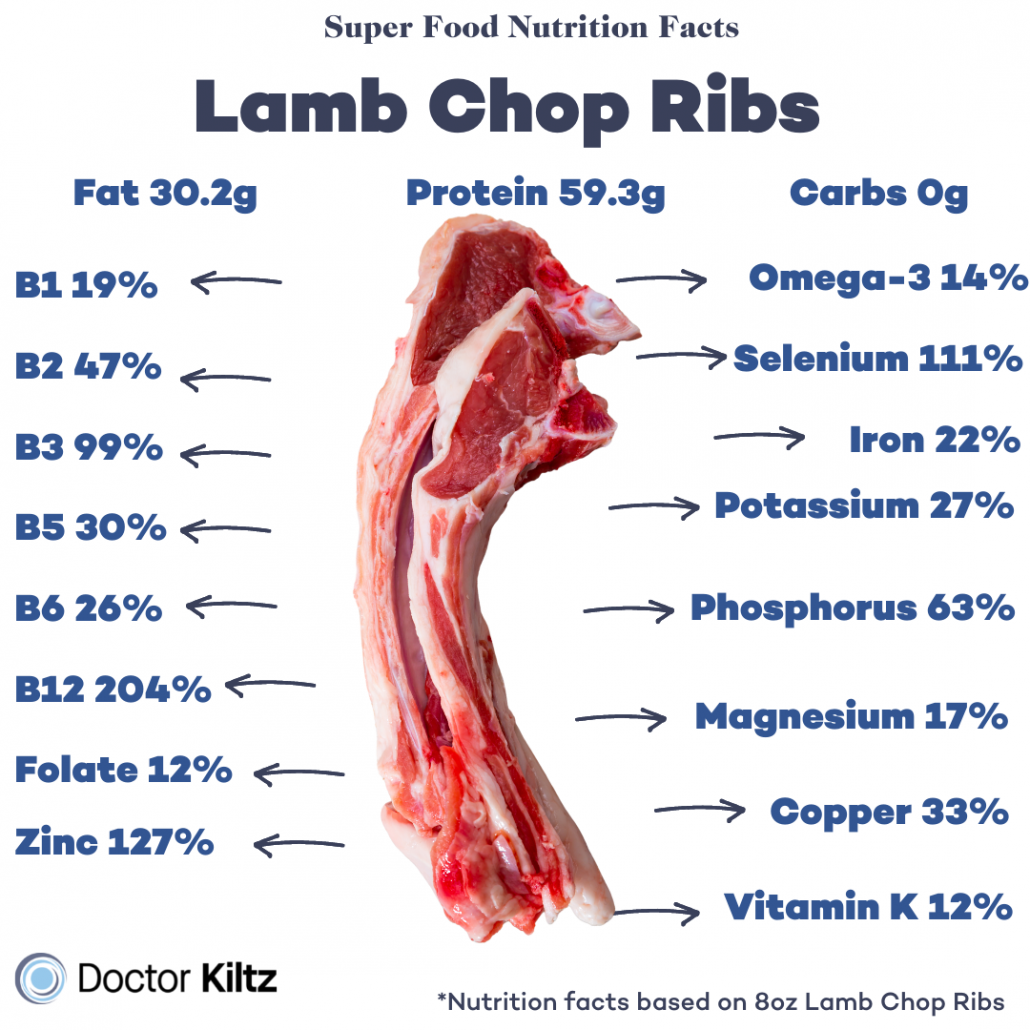
Lamb is also an abundant source of anti-inflammatory monounsaturated fatty acids, vitamin B12, and glutatione, known as the “master antioxidant.” [28] [29] [30]
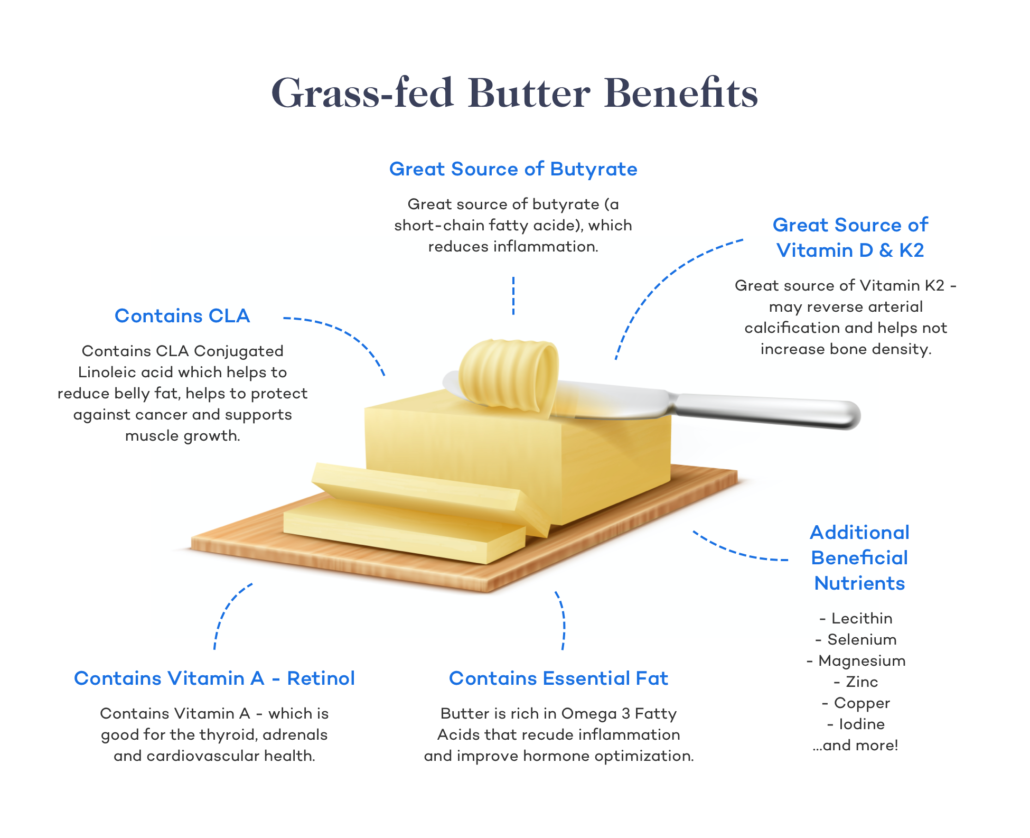
2 Butter
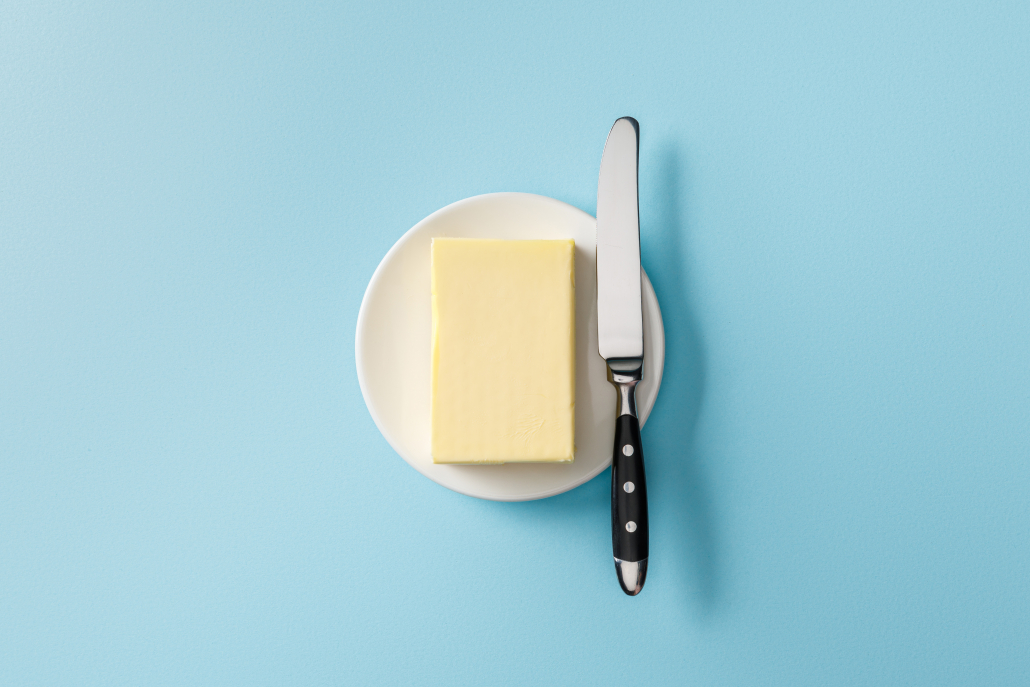
Grass-fed butter contains up to 110 mg per 1 tablespoon or 12 mg/gram of fat.
Butter is also a good source of vitamin A (retinol). This important fat-soluble vitamin supports many physiological processes, including healthy vision, thyroid function, immune function, and endocrine function. [31]
The anti-inflammatory effects of the CLA found in butter is likely responsible for its benefits to fertility.
A 2020 study found that adding one daily serving of a CLA-rich full-fat dairy to your diet can reduce the risk of infertility by over 50%. 2
3 Beef
Fatty cuts of grass fed steak are an excellent source of CLA.
A four-ounce serving of grass-fed ribeye steak contains up to 430 mcg of CLA. [32]
Like other CLA foods on this list, fatty cuts of grass-fed steak are also high in anti-inflammatory monounsaturated fatty acids and beneficial saturated fats.
For example, the stearic acid in steak has been shown to improve body fat ratio and support the function of the energy centers of your cells called mitochondrial. [33]
Steak is also an excellent source of meat-specific nutrients like carnitine, taurine, creatine, and vitamin B12.

4 Cheese
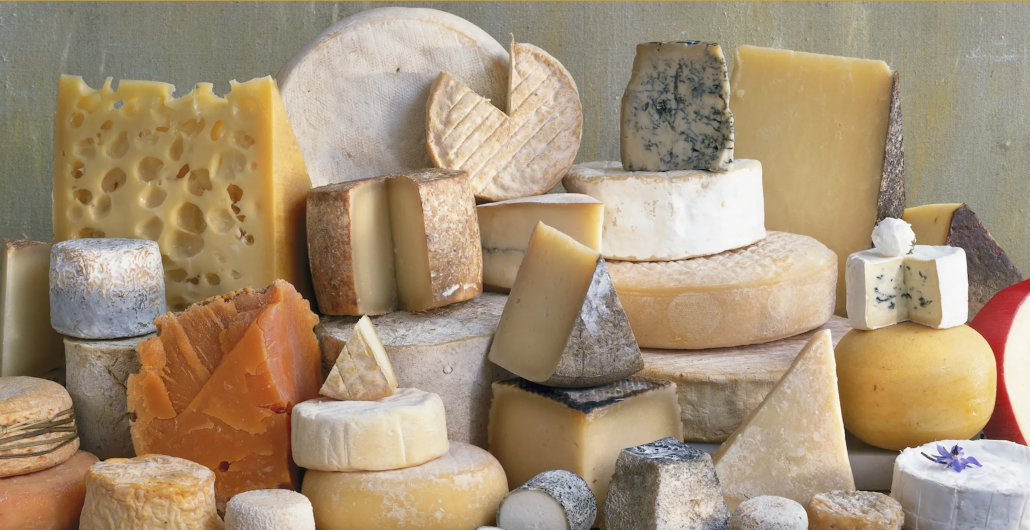
Fatty, ripened cheeses are fantastic and highly satiating sources of CLA.
Studies show that the CLA content of cheeses ranges from 3.59 to 7.96 mg/g of fat.
Blue, Brie, Edam, and Swiss cheeses have been shown to contain significantly higher CLA concentrations than the other cheeses. [34]
Blue cheese is a particularly healthy option thanks to the added benefit of between 2900 and 4700 different bioactive peptides created when dairy proteins are broken down by special enzymes. [35] [36]
For example, the blue-cheese peptide called spermidine has been shown to provide anti-aging properties while reducing the risk of cardiovascular disease. [37] [38]
5 Ice Cream
Ice Cream has been shown to contain 3.6 mg of CLA per gram of fat. And this abundance can increase when choosing high-quality grass-fed cream.
The healthiest way to enjoy ice cream is to make it at home with very little sugar.
Doctor Kiltz’s guilt-free keto ice cream provides 167 mcg of CLA per serving along with other beneficial nutrients, including B vitamins and vitamin D.

Top CLA Foods: The Takeaway
The top CLA foods are all high-fat grass-fed animal products.
Lamb, butter, beef, cheese, and ice cream are the most abundant sources of this highly beneficial fatty acid.
Studies show that consuming foods high in conjugated linoleic acid can significantly reduce the risk of various cancers, support cardiovascular health, boost the immune system, and reduce inflammation.
Article Sources
- 1. Conjugated Linoleic Acid
- 2. Chapter 5 - LIPIDS AND LIPID RELATED FUNCTIONAL FOODS
- 3. Analysis of conjugated linoleic acid and trans 18:1 isomers in synthetic and animal products
- 4. The effects of t10,c12 CLA isomer compared with c9,t11 CLA isomer on lipid metabolism and body composition in hamsters
- 5. Dietary sources of conjugated dienoic isomers of linoleic acid, a newly recognized class of anticarcinogens
- 6. Dietary conjugated linoleic Acid and hepatic steatosis: species-specific effects on liver and adipose lipid metabolism and gene expression
- 7. Dietary trans-10,cis-12 conjugated linoleic acid induces hyperinsulinemia and fatty liver in the mouse
- 8. Treatment with dietary trans10cis12 conjugated linoleic acid causes isomer-specific insulin resistance in obese men with the metabolic syndrome
- 9, 10. Supplementation with conjugated linoleic acid causes isomer-dependent oxidative stress and elevated C-reactive protein: a potential link to fatty acid-induced insulin resistance
- 11. Pros and cons of CLA consumption: an insight from clinical evidences
- 12. ”Białek
- 13. Dietary conjugated linoleic acid and long-chain n-3 fatty acids in mammary and prostate cancer protection: a review
- 14. Role of the conjugated linoleic acid in the prevention of cancer
- 15. High-fat dairy food and conjugated linoleic acid intakes in relation to colorectal cancer incidence in the Swedish Mammography Cohort
- 16, 24. Anti-inflammatory effects of conjugated linoleic acid on young athletic males
- 17. The effects of conjugated linoleic acids on breast cancer: A systematic review
- 18. Conjugated Linoleic Acid Effects on Cancer, Obesity, and Atherosclerosis: A Review of Pre-Clinical and Human Trials with Current Perspectives
- 19. Cross-sectional study of conjugated linoleic acid in adipose tissue and risk of diabetes
- 20. Conjugated linoleic acid improves insulin sensitivity in young, sedentary humans
- 21. Conjugated linoleic acid supplementation, insulin sensitivity, and lipoprotein metabolism in patients with type 2 diabetes mellitus
- 22. Conjugated linoleic acid in adipose tissue and risk of myocardial infarction
- 23. A conjugated linoleic acid-enriched beef diet attenuates lipopolysaccharide-induced inflammation in mice in part through PPARgamma-mediated suppression of toll-like receptor 4
- 25, 32. Conjugated linoleic acid content of ribeye steaks from beef finished on pasture
- 26. A review of fatty acid profiles and antioxidant content in grass-fed and grain-fed beef
- 27. Conjugated linoleic acid in meat and meat products: A review
- 28. Impact of dietary fat on gut microbiota and low-grade systemic inflammation: mechanisms and clinical implications on obesity
- 29. Dietary Fats and Cardiovascular Disease: A Presidential Advisory From the American Heart Association
- 30. Nutritional composition of red meat
- 31. Compare Effect of Fatty Acid Composition (Olive, Coconut Oil and Butter) on Adipose Liver Tissue, and Serum Lipid Profile in Albino rats
- 33. Dietary stearic acid regulates mitochondria in vivo in humans
- 34. Survey of the Conjugated Linoleic Acid Contents of Dairy Products
- 35. Can cheese mites, maggots and molds enhance bioactivity? Peptidomic investigation of functional peptides in four traditional cheeses†
- 36. Milk‐derived bioactive peptides and their health promoting effects: a potential role in atherosclerosis
- 37. Polyamines in Food
- 38. cardioprotection and lifespan expansion from natural spermidine