
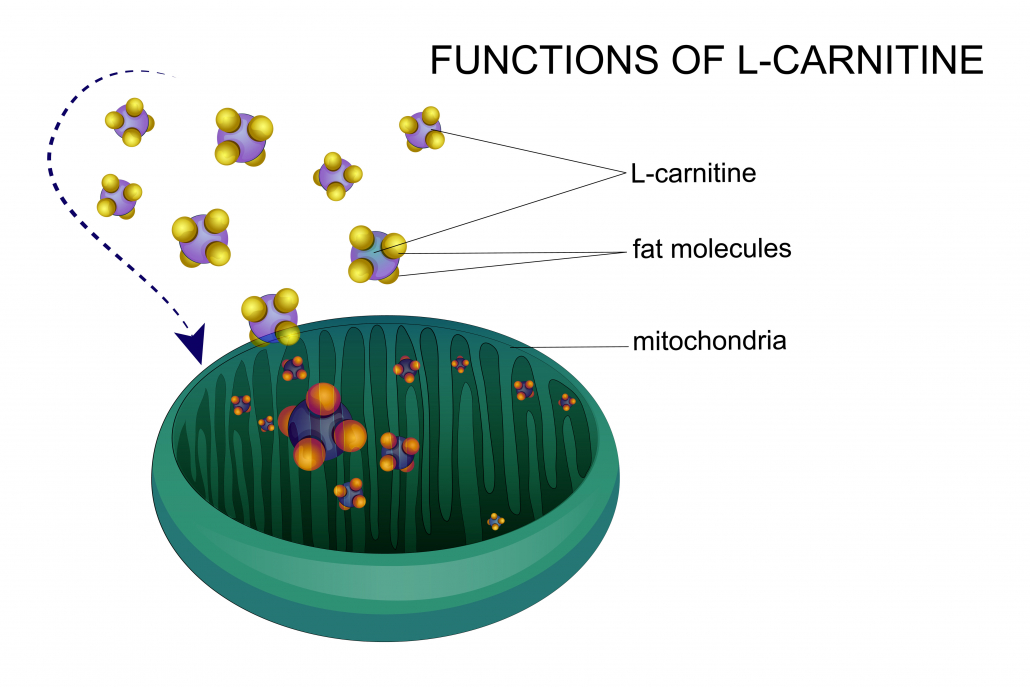
L-carnitine is a compound produced from amino acids. The body uses it to transport fats into our cells where the mitochondria (energy factories in our cells) oxidize these fats into energy. And it has many other benefits.
Our body makes most of the carnitine we need from amino acids. The rest we get from high carnitine foods, with red meat at the top of the list.
Carnitine is most well-known as a supplement used for weight loss, and supporting brain and heart health. It also has therapeutic uses in the treatment of diabetes, specific cancers, and HIV.
Let’s explore these benefits along with the high-carnitine foods that can help deliver them.
Dr. Kiltz's Take
Most people get all the carnitine they need from whole food sources, including lamb, steak, and pork.
What is Carnitine?
Because it was first isolated from meat in 1905, it was given the name “carnitine” from the Latin word “carnus,” meaning meat.
This compound is made from the amino acids lysine and methionine. Its key role in the body is as a transporter of fatty acids into cell mitochondria, where it is then oxidized into energy. [1] [2] [3] [4]
Currently, there are no recommended NIH daily values for carnitine since your body can produce most of it on its own in the kidney and liver, then stores it in muscle, heart, and brain cells.
Because L-carnitine isn’t considered an essential nutrient for most people, the Food and Nutrition Board of the National Academies hasn’t established a recommended dietary allowance for the nutrient.
Most people who eat meat get enough dietary carnitine. But vegans and others with metabolic disorders may not be able to either obtain or produce enough. In these cases L-carnitine is a conditionally essential nutrient that must be obtained through supplementation and/or from high carnitine whole foods including meat and seafood. [5]
5 Types of Carnitine
Though most people are only familiar with L-carnitine, there are actually 4 active types. Each plays a slightly different role with different benefits in the body.
L-carnitine
The standard active form found in your body, carnitine foods, and most supplements. Plays a vital role in mitochondrial function and energy production. [6] [7] [8]
Acetyl-L-carnitine
ALCAR is likely the most beneficial type for your brain and has been shown to support brain health for peopole with neurodegenerative diseases. [9]
Propionyl-L-carnitine
Effective for supporting circulatory issues like vascular disease and high blood pressure. May improve blood flow by promoting the production of nitric oxide. [10] [11]
L-carnitine L-tartrate
A form that’s rapidly absorbed by the body, and for this reason added to athletic supplements. Studies show that it may be effective in reducing muscle soreness and supporting recovery after exercise. [12] [13] [14] .
Carnitine Pro-Tip
There is no established upper limit of how much carnitine you can take. Carnitine foods offer only a fraction of what you’d get from supplementation–which is likely sufficient for most people.
However, if you do supplement with carnitine, beware that taking doses larger than 3 grams can cause fishy body odor, stomach aches, nausea, vomiting, and diarrhea.

Carnitine benefits
Numerous studies show that carnitine may offer benefits, including:
- Support of mitochondrial function, contributing to the reduction of disease and support of healthy aging [15] [16] [17]
- In supplement form it carnitine can be used therapeutically to support or alleviate various issues, including neurodegenerative disorders and heart problems [18] [19]
Supports Healthy Brain Function
Numerous studies suggest that carnitine may support brain function. This is especially true for the form called ALCAR.
In animals, ALCAR shows promise for preventing mental decline associated with aging while boosting learning. [20] [21]
Studies on humans show that daily supplementation with ALCAR helps reverse the degeneration of brain function from Alzheimer’s and other neurodegenerative diseases. [22] [23]
It’s also been shown effective for supporting brain function in older people who don’t have brain diseases. [24] [25] [26]
In one 90-day study with people addicted to alcohol, supplementation with 2 grams of ALCAR each day resulted in major improvements in all areas of measured brain function. [27]
Supports Heart Health
Studies show that L-carnitine may be effective in reducing inflammation associated with heart disease and reducing blood pressure. [28] [29]
L-carnitine is used as a supplement for people with chronic heart disease and has been shown to reduce blood pressure by 10 points. [30] [31]
One long-term study over 12 months revealed that participants supplementing with L-carnitine had reduced incidences of heart failure and death. [32]
A 2013 meta-analysis of L-carnitine studies found that “compared with placebo or control, L-carnitine is associated with a 27% reduction in all-cause mortality, a 65% reduction in Vas [ventricular arrhythmias], and a 40% reduction in anginal symptoms in patients experiencing an acute myocardial infarction.” [33]
Boosts Athletic Performance
Studies show that L-carnitine may offer mild benefits for athletic performance. Though these benefits usually occur after months of regular supplementation. [34]
In a study looking at the effects of carnitine on recovering from pain after exercise concluded: “L-carnitine has a protective effect against pain and damage from eccentric effort. This effect is mainly attributed to the vasodilatation property of the compound, which both improves energetic metabolism of the hypoxic/damaged muscle and enhances wash-out of algogenic metabolites.”
Weight Loss
Early studies on the effects of carnitine on weight loss show mixed results.
For example, an 8-week study of 38 women found no difference between those who took L-carnitine and those who didn’t when combined with equal exercise for both groups. [37]
On the other hand, an analysis of 9 studies that included mostly obese participants showed that people taking L-carnitine supplements lost an average of 2.9 more pounds than those who didn’t. [38]
It’s important to note that weight gain or loss is not necessarily an accurate marker of metabolic health. In fact, between 20-60% of obese people are metabolically healthy, while around 30% of normal-weight people are metabolically unhealthy.
The key to foundational health has to do with the kinds of food you eat, how you move your body and mental practices for dealing with stress and anxiety.
Doctor Kiltz’s BEBBIIS diet and his three pillars of health and wellness offer straightforward guidelines for deeply founded health and wellness.
Reduces Symptoms of Type II Diabetes
One of the more promising research on L-carnitine supports its role in reducing symptoms and risk factors for type 2 diabetes. [39] [40] [41]
It has been shown to significantly reduce blood sugar levels and increase an important metabolic enzyme for processing carbohydrates called AMPK. [42] [43]
Can Be An Effective Part of HIV Treatment
HIV can sometimes cause carnitine deficiency in patients leading to an increase in blood lipids.
Supplementing with L-carnitine can reduce blood lipid levels and slow the death of lymphocytes (a common symptom of HIV), thereby extending the lives of those with HIV. [44]
Carnitine has also been shown to reduce HIV-induced neuropathy (resulting in pain in the extremities). [45]
Carnitine Foods
Though most of the research on the benefits of carnitine have focused on supplementation with relatively large doses, most people will experience the benefits of being replete in carnitine simply by eating high-carnitine foods.
Not surprisingly, high carnitine foods overlap with the most nutrient-dense foods in the world and are found mostly in meat and animal products.
One rule of thumb– the redder the meat, the higher in carnitine it is.
Dairy also provides carnitine, mostly in the whey portion. [46]
1. Lamb 217 mg carnitine per 4oz
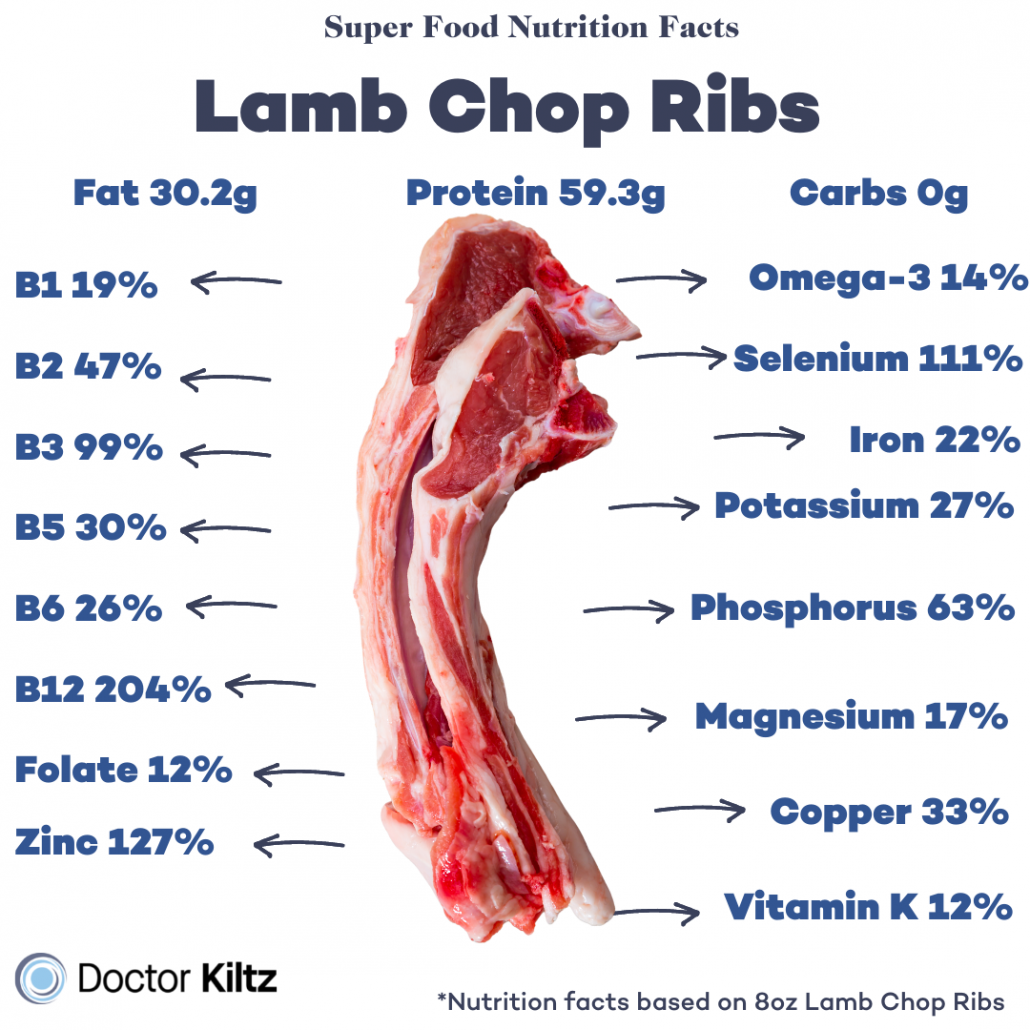
Lamb has the highest concentration of carnitine of any food. One serving will bring most people into the replete range–i.e. You’ll get all you need. It’s also loaded with numerous other beneficial vitamins and minerals.
And it turns out that the carnitine found in lamb may be more bioactive and effective than higher doses of supplemented carnitine.
A study on rats fed either a control diet, a diet supplemented with carnitine, or a diet of lamb meat found that the carnitine in the lamb, though in lower concentrations than the supplemented diet, was more effective at reducing fat in the liver. [47]
2. Beef Steak: 56-162 mg per 4 oz

A 4-ounce cut of steak has an estimated 56 mg to 162 mg of carnitine.
Fatty steak like ribeye is also loaded with numerous other nutrients only, or mostly found in meat. In these fatty meats carnitine works synergistically alongside creatine, taurine, carnosine, heme iron, zinc, B vitamins, and vitamin K2 to support nearly every major physiological function.
3. Ground beef: 87 – 99 mg per 4 oz
Ground beef is red meat, so sure enough, it’s high in carnitine.
One of the benefits of ground beef is that it’s possible to get high-quality grass-fed 30/70 ground beef for less than $10 per pound, making it a great cheap keto or budget carnivore staple.
4. Pork: 42mg per 4 oz
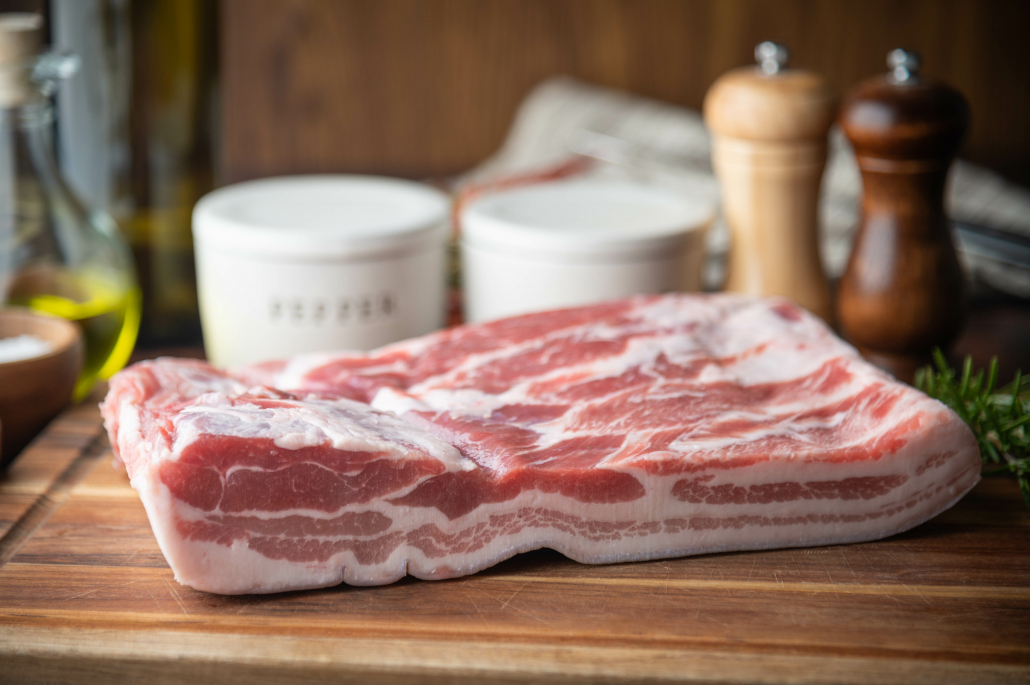
Pork is actually red meat, and accordingly contains decent amounts of carnitine.
As with beef, the healthiest choices are loaded with healthy fats like pork belly, baby back ribs, and pork shoulder.
Are you surprised to hear that animal fat is healthy? Thanks to decades of the mainstream nutritional information, you’re far from alone.
However, modern research is telling us that animal fats are nourishing, satiating, and loaded in important fat-soluble vitamins like A, E, D, and K2.
Fatty meats are best enjoyed as part of a high-fat, low-carb carnivore or ketogenic diet.
5. Ice Cream 8mg per 8 oz

Full-fat dairy is another carnitine food that just so happens to be one of the most unfairly maligned foods since the 1950s.
Fortunately, dairy along with eggs and red meat are finally being set free from bad science and anti-animal foods dogma.
For instance, a 2020 review in the American Journal of Clinical Nutrition found that higher-fat dairy is associated with lower amounts of body fat in children.
And this 2020 bellwether paper published in the prestigious Journal of the American College of Cardiology, asserted, “Whole-fat dairy, unprocessed meat, eggs, and dark chocolate are SFA-rich foods with a complex matrix that are not associated with increased risk of cardiovascular disease. The totality of available evidence does not support further limiting the intake of such foods.” [48]
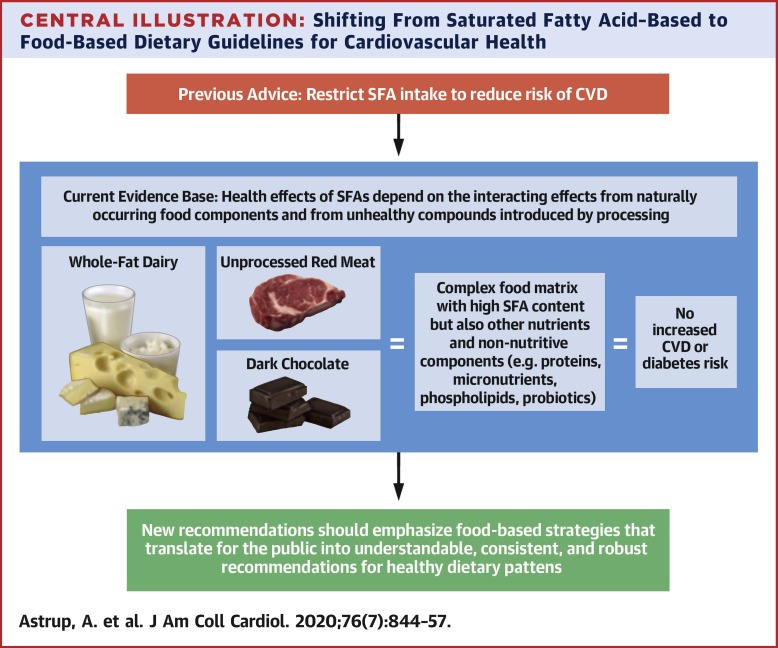
You can follow along with Doctor Kiltz as he makes his low-sugar homemade ice cream below:
Carnitine Foods: The Takeaway
The highest carnitine foods are red meats, with lamb and steak leading the way.
One serving of either lamb or steak provides plenty of carnitine to receive its benefits.
There is evidence that carnitine in whole foods may be more effective than supplementing carnitine at higher doses.
However, if you do choose to supplement carnitine, studies support its use for the prevention of brain disorders, supporting cognitive function, support for various markers of heart health.
Of the various types of carnitine, L-carnitine and acetyl-L-carnitine (ALCAR) are the most popular and appear to be the most effective.
Article Sources
- 1, 2. Role of carnitine in disease
- 3. Physiological functions of carnitine and carnitine transporters in the central nervous system
- 4, 6. The role of the carnitine system in human metabolism
- 5. Carnitine status of lactoovovegetarians and strict vegetarian adults and children
- 7. Boosting fat burning with carnitine: an old friend comes out from the shadow
- 8. New insights concerning the role of carnitine in the regulation of fuel metabolism in skeletal muscle
- 9. The neurobiology of acetyl-L-carnitine
- 10. Glycine propionyl-L-carnitine modulates lipid peroxidation and nitric oxide in human subjects
- 11. Glycine propionyl-L-carnitine increases plasma nitrate/nitrite in resistance trained men
- 12. Free and total carnitine concentrations in pig plasma after oral ingestion of various L-carnitine compounds
- 13. The effects of L-carnitine supplementation on performance during interval swimming
- 14. Responses of criterion variables to different supplemental doses of L-carnitine L-tartrate
- 15. Acetyl-L-carnitine supplementation differently influences nutrient partitioning, serum leptin concentration and skeletal muscle mitochondrial respiration
- 16. A DIGE approach for the assessment of rat soleus muscle changes during unloading: effect of acetyl-L-carnitine supplementation
- 17. Mitochondria in the elderly: Is acetylcarnitine a rejuvenator?
- 18. Exploratory open label, randomized study of acetyl- and propionylcarnitine in chronic fatigue syndrome
- 19, 28. Ameliorating hypertension and insulin resistance in subjects at increased cardiovascular risk: effects of acetyl-L-carnitine therapy
- 20. Enhancement of learning capacity and cholinergic synaptic function by carnitine in aging rats
- 21. Behaviour and Degenerative Changes in the Basal Forebrain Systems of Aged Rats (12 Months Old) after Levo-Acetyl-Carnitine Treatments
- 22. Double-blind parallel design pilot study of acetyl levocarnitine in patients with Alzheimer's disease
- 23. Double-blind, placebo controlled study of acetyl-l-carnitine in patients with Alzheimer's dementia
- 24. Acetyl-L-carnitine in the treatment of mildly demented elderly patients
- 25. Mental impairment in aging: selection of patients, methods of evaluation and therapeutic possibilities of acetyl-L-carnitine
- 26. Study of the efficacy and tolerability of L-acetylcarnitine therapy in the senile brain
- 27. Role of acetyl-L-carnitine in the treatment of cognitive deficit in chronic alcoholism
- 29. The role of inflammatory markers in the cardioprotective effect of L-carnitine in L-NAME-induced hypertension
- 30. Carnitine and its derivatives in cardiovascular disease
- 31. Therapeutic effects of L-carnitine and propionyl-L-carnitine on cardiovascular diseases: a review
- 32. Effects of L-carnitine administration on left ventricular remodeling after acute anterior myocardial infarction: the L-Carnitine Ecocardiografia Digitalizzata Infarto Miocardico (CEDIM) Trial
- 33. L-carnitine in the secondary prevention of cardiovascular disease: systematic review and meta-analysis
- 34. The effects of acute L-carnitine supplementation on endurance performance of athletes
- 35. Effects of L-carnitine on the pyruvate dehydrogenase complex and carnitine palmitoyl transferase activities in muscle of endurance athletes
- 36. Effects of prolonged L-carnitine administration on delayed muscle pain and CK release after eccentric effort
- 37. L-Carnitine supplementation combined with aerobic training does not promote weight loss in moderately obese women
- 38. The effect of (L-)carnitine on weight loss in adults: a systematic review and meta-analysis of randomized controlled trials
- 39. Caloric restriction and L-carnitine administration improves insulin sensitivity in patients with impaired glucose metabolism
- 40. Effects of oral L-carnitine supplementation on insulin sensitivity indices in response to glucose feeding in lean and overweight/obese males
- 41. Relationship between carnitine, fatty acids and insulin resistance
- 42. Effect of L-carnitine on plasma glycemic and lipidemic profile in patients with type II diabetes mellitus
- 43. Activation of AMP kinase enhances sensitivity of muscle glucose transport to insulin
- 44. Potential benefits of carnitine in HIV-positive patients
- 45. Acetyl-L-Carnitine and NRTI-associated neuropathy in HIV-infection
- 46. Carnitine Fact Sheet for Health Professionals
- 47. The effect of intake of lamb meat on energy metabolism of Sprague-Dawley rats: possible role of carnitine
- 48. Saturated Fats and Health: A Reassessment and Proposal for Food-Based Recommendations: JACC State-of-the-Art Review