
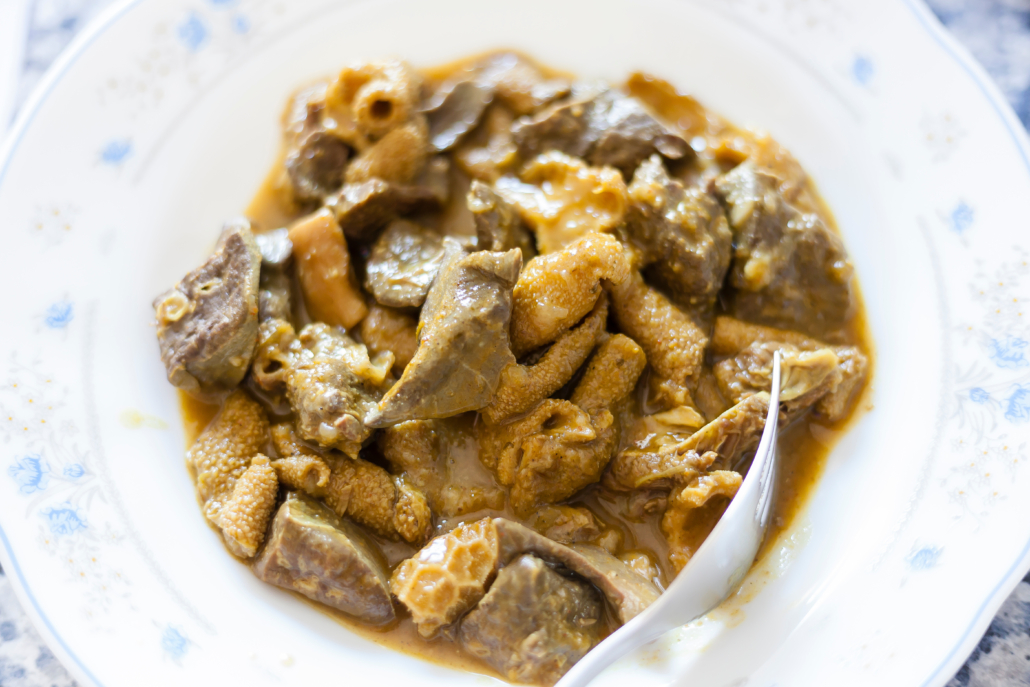
Organ meats are among the most nutrient dense foods on earth and a common staple in traditional diets around the world. Recently, with the revival of ancestral animal-based dietary practices like carnivore, and ecologically conscious nose-to-tail eating, interest in organ meats is flourishing. Tripe is one of the overlooked jewels of the global culinary cannon.
Tripe is the stomach lining of various farm animals. The most common edible tripe is beef tripe from cows.
In this article, we’ll explore the nutrition and health benefits of tripe, and offer a few easy ways to incorporate tripe into your diet.
What is Tripe?
Tripe is a type of edible lining from the stomachs of various ruminant farm animals.
The most common edible tripe comes from cows, but many cultures consume the tripe of buffalo, sheep, goat, and pig.
Tripe is common to many global cuisines, including European, African, Latin American, and Asian cultures.
Known for its chewy texture and mild flavor, tripe acts like a sponge that incorporates the often rich flavors of the dishes it features in.
For this reason, tripe is most often found in soups and stews–many of which are believed to have therapeutic or curative properties. For example, the Mexican soup menudo is often consumed as a hangover cure with the belief that consuming tripe will soothe and repair a person’s stomach lining after a night of drinking.
Though tripe is mild in flavor, it’s not muscle meat, and it has a unique chewy texture that most people accustomed to the modern Western diet need to get used to.

Types of Tripe
Other than pig, the animals that tripe comes from have a ruminant digestive system with multiple stomach chambers that serve to ferment the plants they graze on into fatty acids.
Tripe is classified by the particular stomach chamber it is made from. Here are the four types of tripe
- Blanket Tripe (also known as smooth tripe): Made from the first stomach chamber, called the rumen. This is the most common type of tripe and has a smooth texture. Though common, it is the least desirable type of tripe.
- Honeycomb Tripe: Made from the second stomach chamber, called the reticulum. This is the most distinctive type fo tripe, sought for its spongy honeycomb-like appearance and texture.
- Book Tripe: From the third stomach chamber, the omasum. Book tripe takes its name from the way it resembles the layered pages of a book.
- Reed Tripe: From the fourth stomach chamber, the abomasum. Reed tripe is the least common type of edible tripe. It has a smooth texture, and unlike other types, can have a stronger flavor.
Beef Tripe Nutrition
Benefits of Tripe
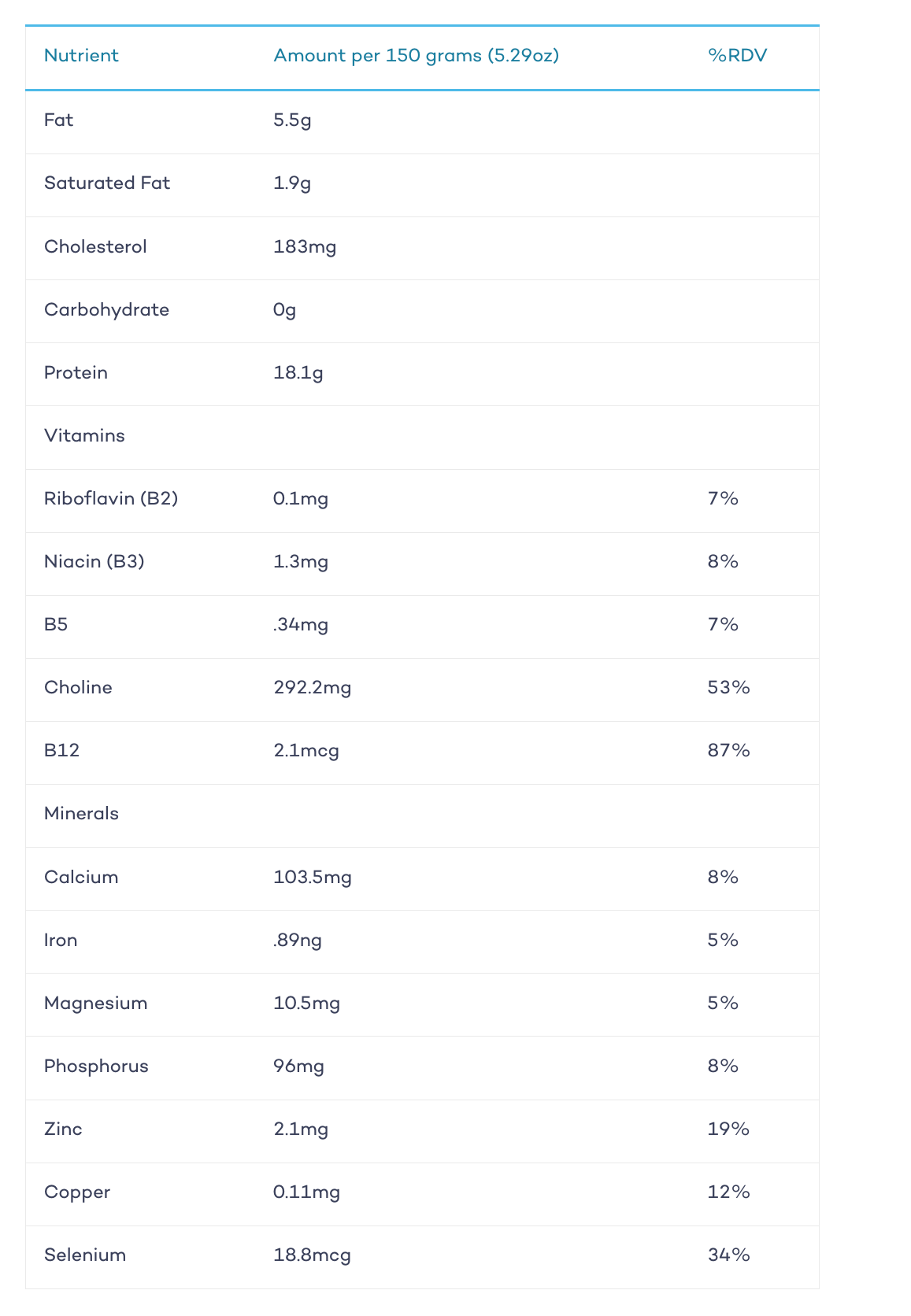
Beef tripe is a zero-carb, moderate-fat, high-protein whole food that offers significant amounts of vital nutrients, including B vitamins, choline, zinc, and selenium.
In addition to the nutrients on the label, tripe is also a great source of collagen, a highly beneficial amino acid. Let’s examine how these nutrients in tripe can benefit your health.
Collagen in Tripe
The same compound that gives tripe its tuff chewy texture is one of its most beneficial features.
This toughness comes from tripe’s collagen-rich connective tissue content. 35% of the protein in tripe is made up of collagen. [1]
Collagen protein supports healthy bones, skin, joints, hair, and the newly discovered collagen-rich organ called the interstitium.
The benefits of all this collagen are enhanced through the common practice of boiling tripe. When boiled, the collagen in tripe breaks down into health-promoting amino acids such as glycine, proline, and glutamine. [2]
Proline
- Accounts for 17% of the amino acids in collagen
- Has been shown to support cell growth while providing antioxidant protection against free radicals.
- An important factor in wound healing and healthy immune response. [3]
The amino acid glycine has been linked to various physiological benefits, including
- reducing homocysteine levels after consuming meals high in protein [4]
- improving sleep, and controlling blood sugar.
- as a precursor to creatine, a compound that can enhance athletic performance and recovery, while offering powerful antidepressant properties [5]
- positively impacting neurological disorders such as Parkinson’s and Alzheimer’s. [6]
- protection against gastric ulcers and helps digest fat. [7]
Glutamine is another beneficial amino acid amino that has been found to
- fuel the growth of immune cells and intestinal cells
- offer anti-inflammatory properties [8] [9]
- maintain the health of your gut lining and protect against intestinal permeability. [10] [11]
Choline
A 150-gram serving of tripe provides 292.2mg, for 53% of your RDV of choline.
Haven’t heard of Choline? You’re not alone. This important nutrient wasn’t fully understood until 1998 when it was deemed “essential,” meaning that you need to get it from food to survive. [12]
The essential nature of choline is evident in the many vital roles it plays in the body, including [13] :
- Synthesizing neurotransmitters like serotonin and dopamine that support mood and cognition [14] [15]
- Supports proper cell function by maintaining the integrity of cell membranes
- Improves memory and cognitive function, particularly in older adults. [16] [17]
- Helps fat digest
- Crucial for brain development and healthy memory function in infants
- Can lower the risk of neural tube defects in infants
B12
Tripe is an excellent source of vitamin B12, providing 2.1 mcg, for 87% of your RDV per 150-gram serving.
B12 is another essential vitamin that plays a critical role in physical and mental health, including
- Maintaining a healthy nervous system
- the production of DNA and red blood cells
- Turning the food we eat into useable energy
- Maintaining proper cognitive function
- Psychological and mood stabilization–including prevention of depression [18]
- Protects heart health by decreasing homocysteine levels associated with heart disease. [19] [20] [21]
Selenium
Selenium is a mineral that factors in the creation of various enzymes and proteins called selenoproteins. This function makes the selenium in tripe supportive of numerous bodily processes including including [22] :
- healthy thyroid function
- proper immune function, and the ability to fight infection
- Protection from damage to cells
- reproductive health and the creation of DNA
- Antioxidant protection, including an increase in the powerful antioxidant glutathione [23] [24]
- Protection against various cancers [25]
- Neuroprotective properties [26]
- Supports lung health [27]
How to Incorporate Tripe into Your Diet
Since tripe has a very mild–some might say, “bland”—flavor, it is easy to add to most savory dishes.
It’s worth noting that most tripe sold in markets has already been cooked and bleached in chlorine. It’s best to source unprocessed tripe from a local butcher or farmers market rancher. Be sure to clean the tripe thoroughly before cooking.
You can also source tripe from most Latin American and Asian specialty markets.
For mainstream pre-cooked tripe, be sure to rinse it well to get rid of any residual chlorine.
Tripe Menudo Recipe
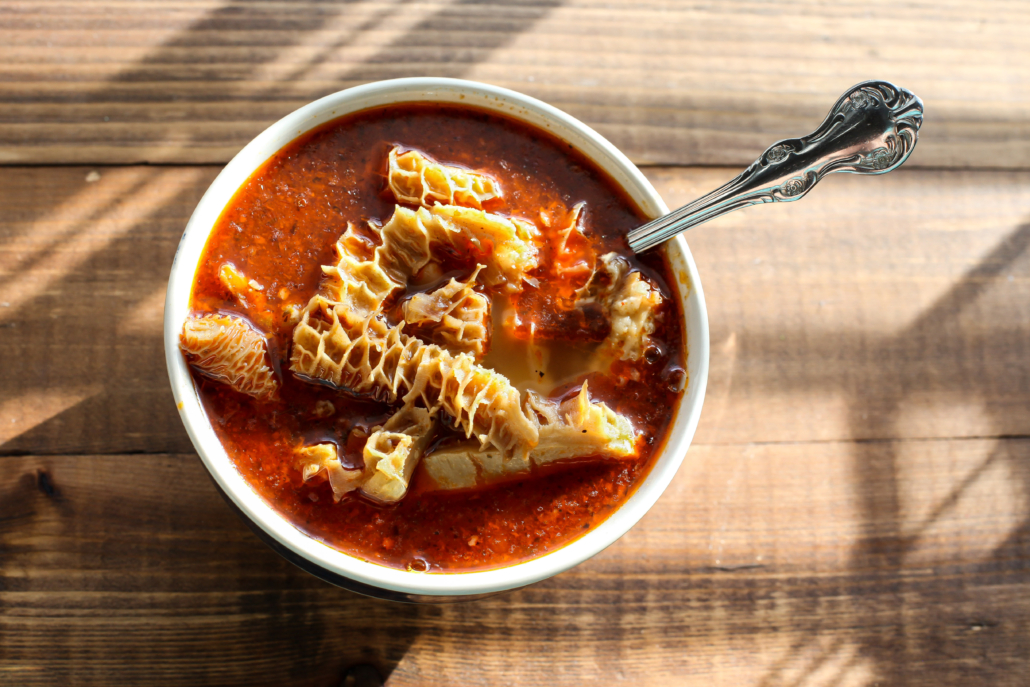
For a nourishing traditional tripe soup, try this menudo recipe.
Ingredients
- 4 pounds cleaned tripe, cut into large chunks
- ½ cup white vinegar
- 1 Tbs salt, or more to taste
- 1 Tbs chili powder
- ½ Tbs cumin
- ½ Tbs oregano
- ½ Tbs garlic
- ¼ tsp cayenne (optional)
- 1-2 bay leaves
- Water, as needed
Instructions
- If not pre-cooked, boil tripe for 30-45 minutes in a large pot, then drain the water.
- Return tripe to the same pot and add in the remaining ingredients.
- Fill pot with twice as much water a tripe by volume.
- Bring ingredients to boil, then reduce to a simmer.
- After 2 hours check on the texture of the tripe. If it is still chewy, continue cooking for 30 minutes to 1.5 hours.
Tripe Noodles
Tripe is often used in creative carnivore recipes like these tripe noodles from Carnivore Minimalist. You can use these as the basis for carnivore meat sauce or a creamy carnivore alfredo.
Instructions
- Slice 1-2 lbs of pre-washed smooth tripe into thin noodles–reference rice noodles
- Add sliced tripe to a pot, cover with water
- Bring water to a boil and reduce to a simmer
- Simmer for two to three hours
- Strain noodles
For a quick treat, enjoy your tripe with a simple topping of butter, parmesan, and salt. Or add to a premade bone broth recipe.
Take it a step further and drench it in this creamy carnivore sauce recipe below.
4 Ingredient Creamy Carnivore Sauce to Go with Your Tripe Noodles
Tripe: The Bottom Line
Tripe is an organ meat commonly sourced from cows. Though popular in traditional cuisine around the world, tripe is often overlooked in the Western diet that prioritizes muscle meats.
Tripe is a nutrient-dense food that offers an abundance of complete, high-quality protein, including substantial collagen, along with B vitamins, choline, and selenium.
Tripe’s neutral, spongy texture makes it well-suited for stewing. On all meat diets, it can add desired variety to food texture while making a great stand-in for noodles.
Article Sources
- 1. W.F. Spooncer, OFFAL | Types of Offal, Editor(s): Benjamin Caballero, Encyclopedia of Food Sciences and Nutrition (Second Edition), Academic Press, 2003, Pages 4246-4251, ISBN 9780122270550, https://doi.org/10.1016/B0-12-227055-X/00857-9.
- 2. Paul C, Leser S, Oesser S. Significant Amounts of Functional Collagen Peptides Can Be Incorporated in the Diet While Maintaining Indispensable Amino Acid Balance. Nutrients. 2019 May 15;11(5):1079. doi: 10.3390/nu11051079. PMID: 31096622; PMCID: PMC6566836
- 3. Wu G, Bazer FW, Burghardt RC, Johnson GA, Kim SW, Knabe DA, Li P, Li X, McKnight JR, Satterfield MC, Spencer TE. Proline and hydroxyproline metabolism: implications for animal and human nutrition. Amino Acids. 2011 Apr;40(4):1053-63. doi: 10.1007/s00726-01
- 4. Fukada S, Shimada Y, Morita T, Sugiyama K. Suppression of methionine-induced hyperhomocysteinemia by glycine and serine in rats. Biosci Biotechnol Biochem. 2006 Oct;70(10):2403-9. doi: 10.1271/bbb.60130. Epub 2006 Oct 7. PMID: 17031061.
- 5. Lanhers C, Pereira B, Naughton G, Trousselard M, Lesage FX, Dutheil F. Creatine Supplementation and Upper Limb Strength Performance: A Systematic Review and Meta-Analysis. Sports Med. 2017 Jan;47(1):163-173. doi: 10.1007/s40279-016-0571-4. PMID: 27328852.
- 6. Chilibeck PD, Candow DG, Landeryou T, Kaviani M, Paus-Jenssen L. Effects of Creatine and Resistance Training on Bone Health in Postmenopausal Women. Med Sci Sports Exerc. 2015 Aug;47(8):1587-95. doi: 10.1249/MSS.0000000000000571. PMID: 25386713.
- 7. Razak MA, Begum PS, Viswanath B, Rajagopal S. Multifarious Beneficial Effect of Nonessential Amino Acid, Glycine: A Review. Oxid Med Cell Longev. 2017;2017:1716701. doi: 10.1155/2017/1716701. Epub 2017 Mar 1. Erratum in: Oxid Med Cell Longev. 2022 Feb 23;2
- 8. Demling RH. Nutrition, anabolism, and the wound healing process: an overview. Eplasty. 2009;9:e9. Epub 2009 Feb 3. PMID: 19274069; PMCID: PMC2642618.
- 9. Kim H. Glutamine as an immunonutrient. Yonsei Med J. 2011 Nov;52(6):892-7. doi: 10.3349/ymj.2011.52.6.892. PMID: 22028151; PMCID: PMC3220259.
- 10. Rao R, Samak G. Role of Glutamine in Protection of Intestinal Epithelial Tight Junctions. J Epithel Biol Pharmacol. 2012 Jan;5(Suppl 1-M7):47-54. doi: 10.2174/1875044301205010047. PMID: 25810794; PMCID: PMC4369670.
- 11. Wang B, Wu G, Zhou Z, Dai Z, Sun Y, Ji Y, Li W, Wang W, Liu C, Han F, Wu Z. Glutamine and intestinal barrier function. Amino Acids. 2015 Oct;47(10):2143-54. doi: 10.1007/s00726-014-1773-4. Epub 2014 Jun 26. PMID: 24965526.
- 12, 13, 15. Zeisel SH, da Costa KA. Choline: an essential nutrient for public health. Nutr Rev. 2009 Nov;67(11):615-23. doi: 10.1111/j.1753-4887.2009.00246.x. PMID: 19906248; PMCID: PMC2782876.
- 14. Fernstrom JD. Effects on the diet on brain neurotransmitters. Metabolism. 1977 Feb;26(2):207-23. doi: 10.1016/0026-0495(77)90057-9. PMID: 13261.
- 16. Derbyshire E, Obeid R. Choline, Neurological Development and Brain Function: A Systematic Review Focusing on the First 1000 Days. Nutrients. 2020 Jun 10;12(6):1731. doi: 10.3390/nu12061731. PMID: 32531929; PMCID: PMC7352907.
- 17. Poly C, Massaro JM, Seshadri S, Wolf PA, Cho E, Krall E, Jacques PF, Au R. The relation of dietary choline to cognitive performance and white-matter hyperintensity in the Framingham Offspring Cohort. Am J Clin Nutr. 2011 Dec;94(6):1584-91. doi: 10.3945/ajc
- 18. Sangle P, Sandhu O, Aftab Z, Anthony AT, Khan S. Vitamin B12 Supplementation: Preventing Onset and Improving Prognosis of Depression. Cureus. 2020 Oct 26;12(10):e11169. doi: 10.7759/cureus.11169. PMID: 33251075; PMCID: PMC7688056.
- 19. Keene KL, Chen WM, Chen F, Williams SR, Elkhatib SD, Hsu FC, Mychaleckyj JC, Doheny KF, Pugh EW, Ling H, Laurie CC, Gogarten SM, Madden EB, Worrall BB, Sale MM. Genetic Associations with Plasma B12, B6, and Folate Levels in an Ischemic Stroke Population fr
- 20. Markišić M, Pavlović AM, Pavlović DM. The Impact of Homocysteine, Vitamin B12, and Vitamin D Levels on Functional Outcome after First-Ever Ischaemic Stroke. Biomed Res Int. 2017;2017:5489057. doi: 10.1155/2017/5489057. Epub 2017 Mar 23. PMID: 28424785; PMC
- 21. Leishear K, Ferrucci L, Lauretani F, Boudreau RM, Studenski SA, Rosano C, Abbate R, Gori AM, Corsi AM, Di Iorio A, Guralnik JM, Bandinelli S, Newman AB, Strotmeyer ES. Vitamin B12 and homocysteine levels and 6-year change in peripheral nerve function and n
- 22. Selenium
- 23. Ju W, Li X, Li Z, Wu GR, Fu XF, Yang XM, Zhang XQ, Gao XB. The effect of selenium supplementation on coronary heart disease: A systematic review and meta-analysis of randomized controlled trials. J Trace Elem Med Biol. 2017 Dec;44:8-16. doi: 10.1016/j.jtem
- 24. Schnabel R, Lubos E, Messow CM, Sinning CR, Zeller T, Wild PS, Peetz D, Handy DE, Munzel T, Loscalzo J, Lackner KJ, Blankenberg S. Selenium supplementation improves antioxidant capacity in vitro and in vivo in patients with coronary artery disease The SEle
- 25. Cai X, Wang C, Yu W, Fan W, Wang S, Shen N, Wu P, Li X, Wang F. Selenium Exposure and Cancer Risk: an Updated Meta-analysis and Meta-regression. Sci Rep. 2016 Jan 20;6:19213. doi: 10.1038/srep19213. PMID: 26786590; PMCID: PMC4726178.
- 26. Martijn C. de Wilde, Bruno Vellas, Elodie Girault, Aysun Cetinyurek Yavuz, John W. Sijben, Lower brain and blood nutrient status in Alzheimer's disease: Results from meta-analyses, Alzheimer's & Dementia: Translational Research & Clinical Interventions
- 27. Guo CH, Liu PJ, Hsia S, Chuang CJ, Chen PC. Role of certain trace minerals in oxidative stress, inflammation, CD4/CD8 lymphocyte ratios and lung function in asthmatic patients. Ann Clin Biochem. 2011 Jul;48(Pt 4):344-51. doi: 10.1258/acb.2011.010266. Epub