
What is a Carnitarian?
By Liam McAuliffe Updated on December 27, 2023
Tags: Carnivore, Fish, Seafood
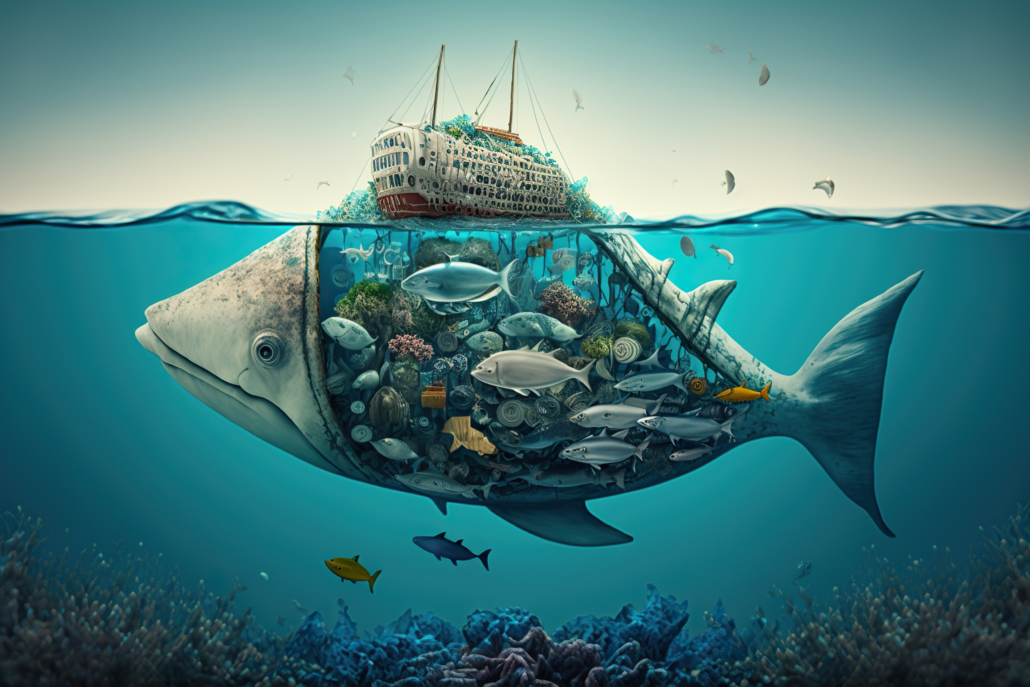
A carnitarian is often confused with someone on the all-meat carnivore diet. However, many people on the carnivore diet are carnitarians. So what is a carnitarian anyway?
A carnitarian is someone who intentionally avoids eating seafood but who still eats a lot of meat.
In this article, we’ll explore the main environmental and health reasons that motivate people to go carnitarian, along with its benefits and drawbacks.
Why Go Carnitarian?
People go carnitarian for three main reasons.
- To maintain the unmatched nutrient density of animal products harvested from land animals. Numerous nutrients found in meat are virtually unavailable to vegans and vegetarians.
- To reduce exposure to environmental and natural toxins like mercury, microplastics, and ciguatoxins
- To reduce the negative ecological effects of overfishing
Let’s take a closer look at each of these factors.

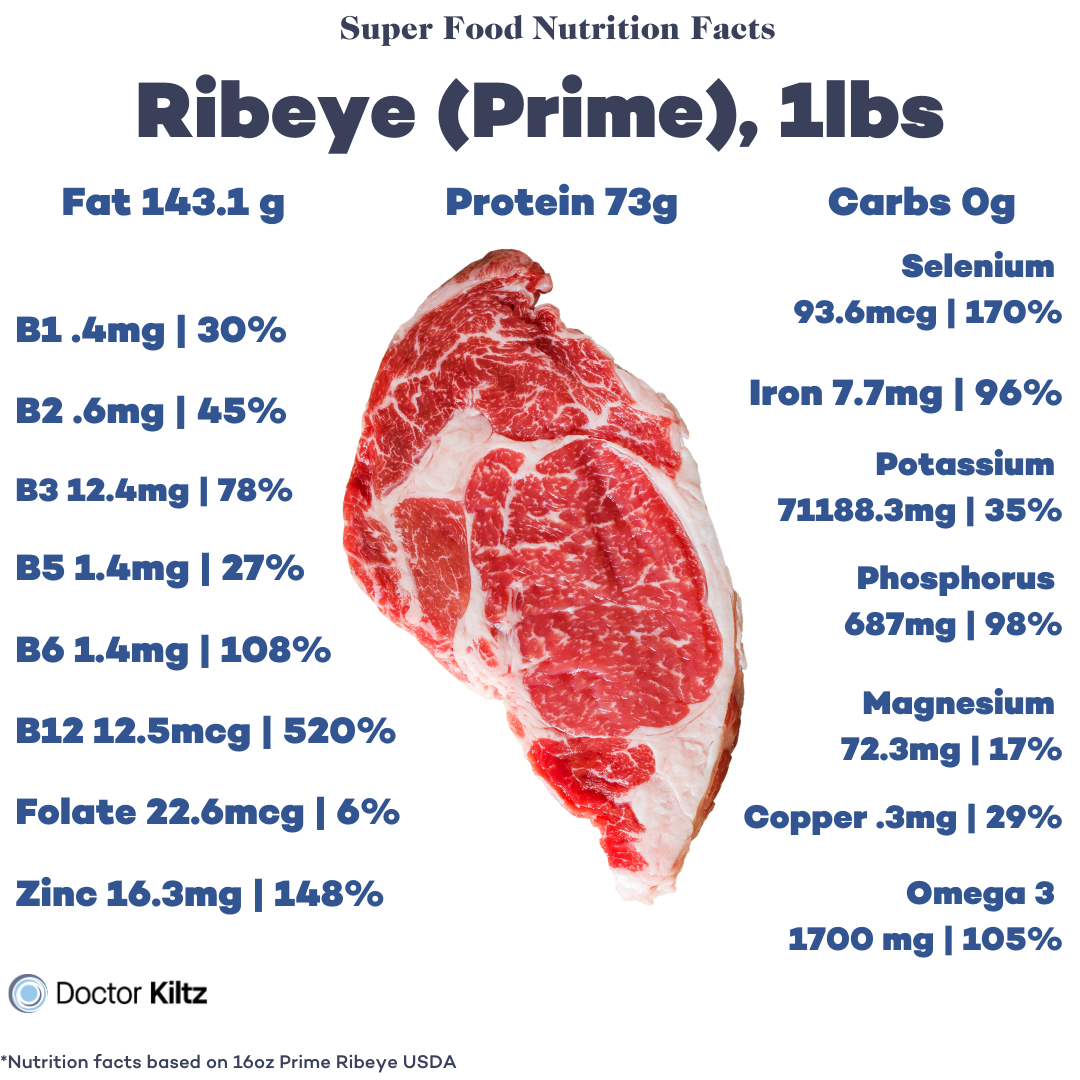
Meat is Healthy
Carnitarians know that fresh meat is the supreme source of various bioavailable nutrients. Carnitarians also base their choices on research showing that eating meat is associated with various markers of health, fertility, and longevity. [1] [2]
Nutrient Density in Meat
Some of the essential nutrients found in abundance in meat include
- D3
- K2 (mk-4)
- B12
- Vitamin A (Retinol)
- Zinc
- CoQ10
- Selenium
- Creatine
- Carnitine
- Carnosine
- Heme iron
- Complete proteins
- Healthy fats
When considering the nutrients in meat, it’s not surprising that researchers have correlated consuming more meat with greater life expectancy.
The increased longevity linked with eating meat has been found to be independent of total caloric intake, economic status, urban advantages like access to higher income jobs and better healthcare, and obesity. [3]
When compared to vegetarian diets, low-carb high-fat diets result in better health markers regarding heart health, weight loss, and blood sugar regulation, mood, and mental health. [4] [5]
Carnitarianism for Mental Health
Many carnitarians chose to eat meat as a way to balance mood and support mental health, and modern studies support this approach.
For example, a 2021 meta-analysis including data from 20 studies and 171,802 participants across the globe revealed the following [6]
- “significant association between meat consumption/abstention and depression and anxiety”
- Meat eaters had lower average depression and anxiety levels than meat abstainers. This was true for both men and women.
- Veganism and vegetarianism were linked with psychiatric disorders and a significantly greater likelihood of depression
- The higher the quality of each study, the greater the benefit of eating meat for mental health
How Eating Meat Can Be Good for the Environment
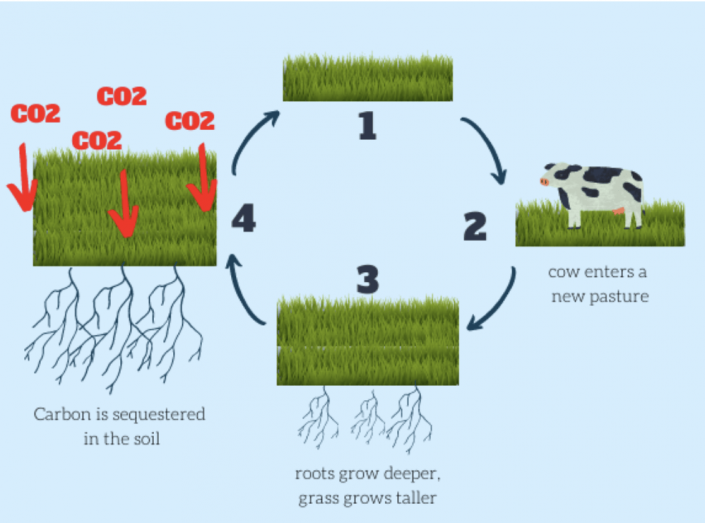
Many carnitarians also consider the environmental impact of eating meat by choosing meat that is raised with sustainable and regenerative practices.
“Regenerative agriculture” or “carbon farming” is a way of raising livestock that sequesters carbon while maximizing soil health. [7]
Toxins in Seafood
Carnitarians eliminate seafood partly because of various toxins found widely among nearly all types of seafood.
Toxins in seafood can come from both industrial and natural causes. Global oceans have been dumping grounds for industrial waste for over a century.
Natural toxins produced by marine microorganisms can infect seafood, making them poisonous when consumed by humans.
Mercury
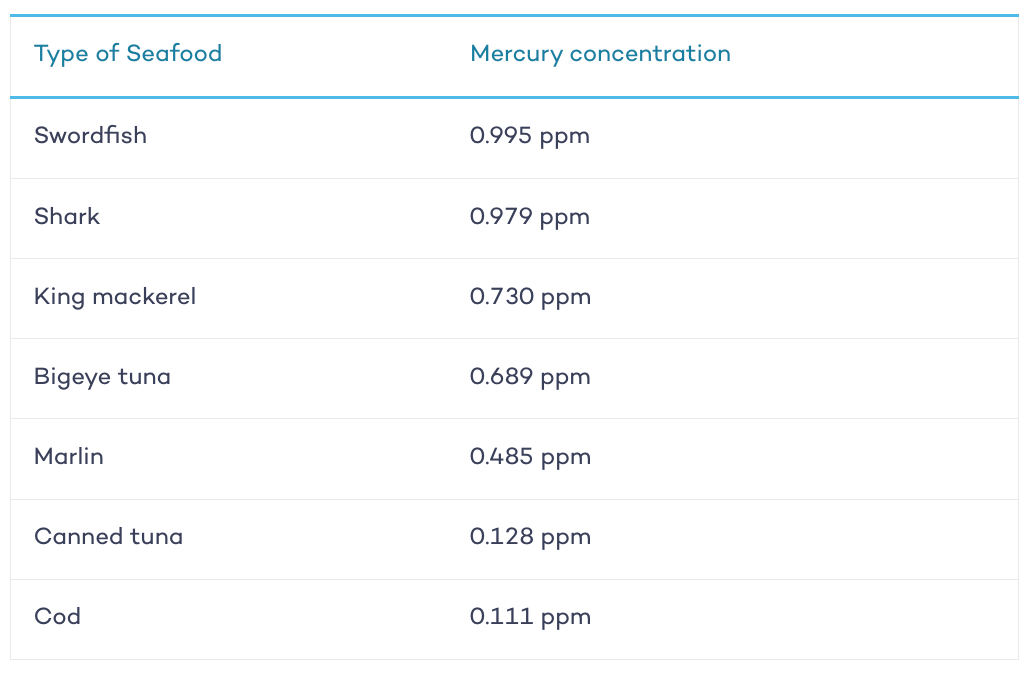
Mercury is a toxic metal that can accumulate in the tissues of fish, particularly large predatory fish like sharks, swordfish, and king mackerel. [8]
Consuming seafood contaminated with mercury can cause it to accumulate in the body. High levels of mercury can be harmful to the nervous system and can cause developmental problems in children.
Though seawater itself contains only very low concentrations of methylmercury, sea plants absorb it. When fish eat the algae they absorb the mercury into their tissue.
When these smaller herbivorous fish are consumed by larger fish, the mercury accumulates at much high levels. This process is called bioaccumulation. [9] [10] [11]
It’s important to highlight that mercury poisoning from seafood is not just a theory. It shows up in studies on people.
For example, a 2003 study of 89 Americans found that 89% of participants had higher mercury levels than the official maximum limit. [12]
And what does all this mercury do to our health?
Studies have found that mercury exposure is linked to [13] [14] [15] [16] [17] [18] [19]
- Alzheimer’s
- Parkinson’s
- Depression
- Autism
- decreased motor skills
- decreased dexterity
- poor memory
- impaired attention
- Increased risk of heart attacks
- Higher “bad” LDL cholesterol
A study involving 1,800 men found that participants with the highest levels of mercury were 200% more likely to die from heart problems than those with lower levels. [20]
Here’s a list of some of the highest mercury seafood [21] :
Polychlorinated Biphenyls (PCBs)
PCBs are toxic compounds that used to be common in many industrial chemicals.
PCBs have been banned 1970s, but they still contaminate many freshwater, saltwater fish. [22]
PCBs are found in especially high concentrations in farmed salmon. [23] [24]
As with mercury, PCBs can accumulate in human tissue, including muscle, brain, liver, and lungs.
Exposure to PCBs can cause a range of negative health effects in humans, including developmental and reproductive problems, immune system suppression, and cancer. [25] [26]
Detoxing from PCBs can take a long time since they have 10-15 years half-lives.
Microplastics
Microplastics are small plastic particles that can be ingested by marine animals and accumulate in their tissues. Consuming contaminated seafood can cause these particles from seafood lead to health problems.
Some studies show that microplastics can cause inflammation in the body and may be linked to other health problems such as cancer, reproductive and developmental problems, and disruption of the immune system. [27] [28]
Additionally, microplastics can contain chemicals that are known to be harmful, such as polychlorinated biphenyls (PCBs) and other persistent organic pollutants (POPs), which can accumulate in the body over time and increase the risk of various health problems.
From: Effect of microplastics in water and aquatic systems
Naturally Occurring Toxins in Seafood
Carnitarians also cite the prevalence of various naturally occurring toxins in seafood. These include
- Histamine is produced by bacteria in spoiled fish. Exposure to histamine can result in allergic reactions.
- Ciguatoxins are produced by a type of algae. They can accumulate in some species of tropical reef fish, such as barracuda, grouper, and snapper. Ciguatera fish poisoning can lead to gastrointestinal and neurological symptoms.
- Saxitoxin is produced by certain types of marine plankton. It can accumulate in shellfish, such as clams, mussels, and oysters. Consumption of contaminated shellfish can cause paralytic shellfish poisoning, a potentially life-threatening issue.
But there for carnitarians, there is one type of oyster that is always on the menu: the rocky mountain oyster.
Overfishing
Carnitarians are often motivated to eliminate seafood because of the detriments of overfishing.
Overfishing means catching more fish than can be replenished naturally through reproduction.
Negative consequences of overfishing include
- Depletion of fish populations can lead to the collapse of entire fish stocks. This can have serious consequences for the ocean ecosystem, as well as for the people and communities that rely on fish for food and income
- Loss of biodiversity when some species are targeted more heavily than others, and some may be caught unintentionally as bycatch
- Damage to marine habitats is caused by practices like bottom trawling, where large nets are dragged along the ocean floor. This can damage fragile marine habitats, including coral reefs and seafloor ecosystems
- Negative economic impacts on fishing communities, as well as on the seafood industry as a whole
- Negative impacts on food security, particularly in developing countries where fish is an important source of protein and other nutrients
- Negative contributions to climate change from fishing vessels and processing plants that produce large greenhouse gas emissions
In 2003, researchers estimated that industrial fishing had depleted the population of large ocean fish to only 10% of their pre-industrial population. [29]
Why Carnivore Dieters are Often Carnitarians
Carnivore dieters are often carnitarians for all the reasons listed above.
Furthermore, there is no nutrient found in fish that a carnivore dieter cannot get from land animal products like beef, lamb, eggs, and full-fat dairy.
In the table below, you can see that even common ground beef provides all of the essential macro and micronutrients aside from vitamin A and vitamin D.
However, vitamin D can be found in abundance in pasture-raised pork–nearly as much as in cod liver oil. [30] While conventional pork spareribs contain a significant 138 IU per 4-ounce serving.
As for vitamin A, a small 1 oz serving of beef liver or duck liver contains between 200% and 400% of your RDV.
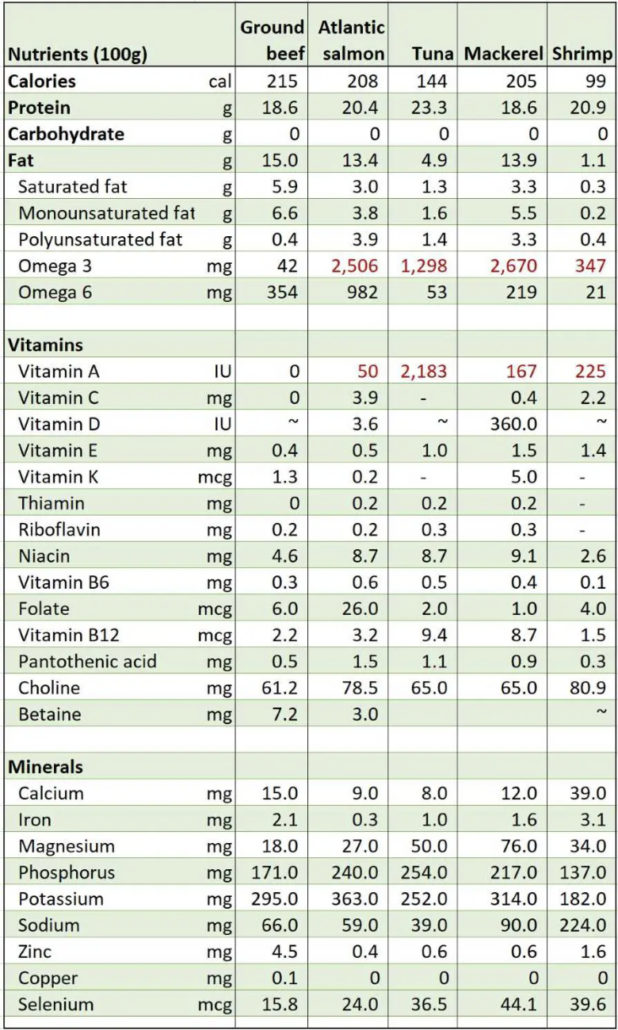
Source: USDA nutrition data
Carnitarian: The Takeaway
Carnitarians are people who eliminate fish but still consume large amounts of meat and animal products from land animals.
Carnitarians base their eating habits on the fact that meat is a nutrient-dense and healthy center of the human diet. However, meat from fish is often contaminated with industrial waste and natural toxins.
Furthermore, carnitarians chose not to support industrial fishing practices that promote overfishing that damages ecosystems and the environment in general. They often choose meat from land animals that are raised with environmentally sustainable and regenerative practices.
Though fish are sources of numerous nutrients, carnitarians know that they can get all the nutrients found in seafood from land animal sources.
Article Sources
- 1. The role of red meat in the diet: nutrition and health benefits
- 2. Behavioral Characteristics and Self-Reported Health Status among 2029 Adults Consuming a “Carnivore Diet”
- 3. Total Meat Intake is Associated with Life Expectancy: A Cross-Sectional Data Analysis of 175 Contemporary Populations
- 4. Systematic review of randomized controlled trials of low-carbohydrate vs. low-fat/low-calorie diets in the management of obesity and its comorbidities
- 5. Nutrition and Health – The Association between Eating Behavior and Various Health Parameters: A Matched Sample Stud
- 6. Meat and mental health: A meta-analysis of meat consumption, depression, and anxiety
- 7. What is Regenerative Agriculture?
- 8, 21. Mercury Levels in Commercial Fish and Shellfish (1990-2012)
- 9. Cheng Z, Liang P, Shao DD, Wu SC, Nie XP, Chen KC, Li KB, Wong MH. Mercury biomagnification in the aquaculture pond ecosystem in the Pearl River Delta. Arch Environ Contam Toxicol. 2011 Oct;61(3):491-9. doi: 10.1007/s00244-010-9641-z. Epub 2011 Feb 3. PMID
- 10. Lavoie RA, Jardine TD, Chumchal MM, Kidd KA, Campbell LM. Biomagnification of mercury in aquatic food webs: a worldwide meta-analysis. Environ Sci Technol. 2013;47(23):13385-94. doi: 10.1021/es403103t. Epub 2013 Nov 13. PMID: 24151937.
- 11. Mason RP, Laporte J, Andres S. Factors controlling the bioaccumulation of mercury, methylmercury, arsenic, selenium, and cadmium by freshwater invertebrates and fish. Arch Environ Contam Toxicol. 2000 Apr;38(3):283-97. doi: 10.1007/s002449910038. PMID: 106
- 12. Hightower JM, Moore D. Mercury levels in high-end consumers of fish. Environ Health Perspect. 2003 Apr;111(4):604-8. doi: 10.1289/ehp.5837. PMID: 12676623; PMCID: PMC1241452.
- 13. Zahir F, Rizwi SJ, Haq SK, Khan RH. Low-dose mercury toxicity and human health. Environ Toxicol Pharmacol. 2005 Sep;20(2):351-60. doi: 10.1016/j.etap.2005.03.007. PMID: 21783611.
- 14. Yokoo EM, Valente JG, Grattan L, Schmidt SL, Platt I, Silbergeld EK. Low-level methylmercury exposure affects neuropsychological function in adults. Environ Health. 2003 Jun 4;2(1):8. doi: 10.1186/1476-069X-2-8. PMID: 12844364; PMCID: PMC165591.
- 15. Bastos WR, Gomes JP, Oliveira RC, Almeida R, Nascimento EL, Bernardi JV, de Lacerda LD, da Silveira EG, Pfeiffer WC. Mercury in the environment and riverside population in the Madeira River Basin, Amazon, Brazil. Sci Total Environ. 2006 Sep 1;368(1):344-51
- 16. Fillion M, Mergler D, Sousa Passos CJ, Larribe F, Lemire M, Guimarães JR. A preliminary study of mercury exposure and blood pressure in the Brazilian Amazon. Environ Health. 2006 Oct 10;5:29. doi: 10.1186/1476-069X-5-29. PMID: 17032453; PMCID: PMC1617089.
- 17. Guallar E, Sanz-Gallardo MI, van't Veer P, Bode P, Aro A, Gómez-Aracena J, Kark JD, Riemersma RA, Martín-Moreno JM, Kok FJ; Heavy Metals and Myocardial Infarction Study Group. Mercury, fish oils, and the risk of myocardial infarction. N Engl J Med. 2002 No
- 18. Yoshizawa K, Rimm EB, Morris JS, Spate VL, Hsieh CC, Spiegelman D, Stampfer MJ, Willett WC. Mercury and the risk of coronary heart disease in men. N Engl J Med. 2002 Nov 28;347(22):1755-60. doi: 10.1056/NEJMoa021437. PMID: 12456851.
- 19. Halbach S. Mercury compounds: lipophilicity and toxic effects on isolated myocardial tissue. Arch Toxicol. 1990;64(4):315-9. doi: 10.1007/BF01972992. PMID: 2386431.
- 20. Salonen JT, Seppänen K, Nyyssönen K, Korpela H, Kauhanen J, Kantola M, Tuomilehto J, Esterbauer H, Tatzber F, Salonen R. Intake of mercury from fish, lipid peroxidation, and the risk of myocardial infarction and coronary, cardiovascular, and any death in e
- 22. Atmaca, E., Das, Y.K., Yavuz, O. et al. An evaluation of the levels of organochlorine compounds (OCPs and PCBs) in cultured freshwater and wild sea fish eggs as an exposure biomarker for environmental contamination. Environ Sci Pollut Res 26, 7005–7012 (20
- 23. Global Assessment of Organic Contaminants in Farmed Salmon
- 24. Fish consumption and plasma levels of organochlorines in a female population in Northern Norway
- 25. Montano L, Pironti C, Pinto G, Ricciardi M, Buono A, Brogna C, Venier M, Piscopo M, Amoresano A, Motta O. Polychlorinated Biphenyls (PCBs) in the Environment: Occupational and Exposure Events, Effects on Human Health and Fertility. Toxics. 2022 Jul 1;10(7)
- 26. Faroon O, Ruiz P. Polychlorinated biphenyls: New evidence from the last decade. Toxicol Ind Health. 2016 Nov;32(11):1825-1847. doi: 10.1177/0748233715587849. Epub 2016 Jul 10. PMID: 26056131; PMCID: PMC4673019.
- 27. Daniel J. Rawle, Troy Dumenil, Bing Tang, Cameron R. Bishop, Kexin Yan, Thuy T. Le, Andreas Suhrbier, Microplastic consumption induces inflammatory signatures in the colon and prolongs a viral arthritis, Science of The Total Environment, Volume 809, 2022
- 28. Campanale C, Massarelli C, Savino I, Locaputo V, Uricchio VF. A Detailed Review Study on Potential Effects of Microplastics and Additives of Concern on Human Health. Int J Environ Res Public Health. 2020 Feb 13;17(4):1212. doi: 10.3390/ijerph17041212. PMID
- 29. Myers, R., Worm, B. Rapid worldwide depletion of predatory fish communities. Nature 423, 280–283 (2003). https://doi.org/10.1038/nature01610
- 30. Larson-Meyer DE, Ingold BC, Fensterseifer SR, Austin KJ, Wechsler PJ, Hollis BW, Makowski AJ, Alexander BM. Sun exposure in pigs increases the vitamin D nutritional quality of pork. PLoS One. 2017 Nov 14;12(11):e0187877. doi: 10.1371/journal.pone.0187877.
Follow Dr. Kiltz on Social Media for Daily Information and Inspiration
Subscribe to follow our Blog
Type your email*
Submit
Follow us on Social Media


